Glossary
A definitions library for the curious cook — from al dente to zest, and quite a few surprises in between.
Please note: the book is a glossary of definitions only — it does not contain recipes, and not every entry has an associated image. Images and recipes on this site are companion material added by Dr. D.
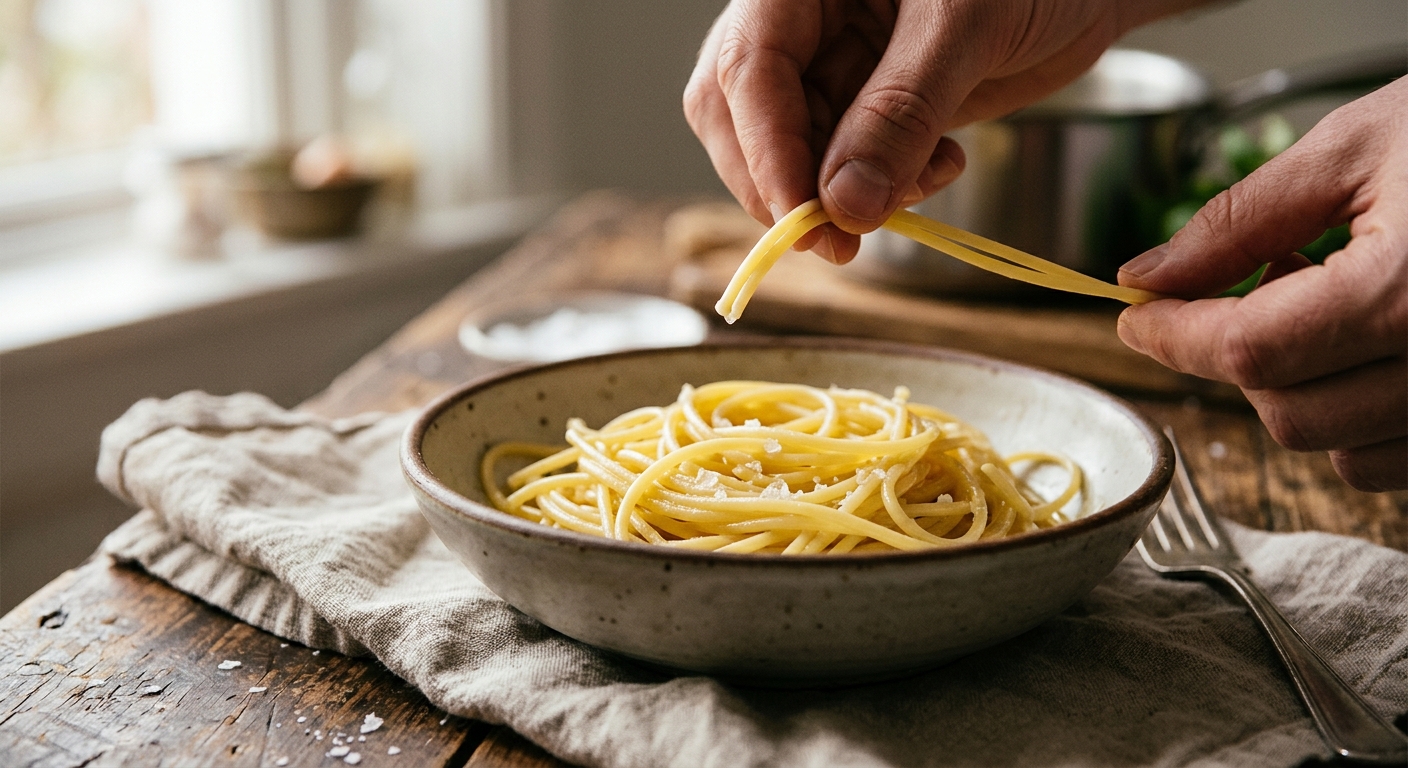
Not too soft and not too hard. Pasta should have a slight resistance when you bite through it. If it is mushy, you went too far. If it crunches, you haven’t gone far enough. Aim for the middle. Italians care about this enormously. The rest of us are catching up. Overcooked Vs Al dente pasta Pasta is too soft, mushy Pasta is tender but firm to the touch and losing its shape.
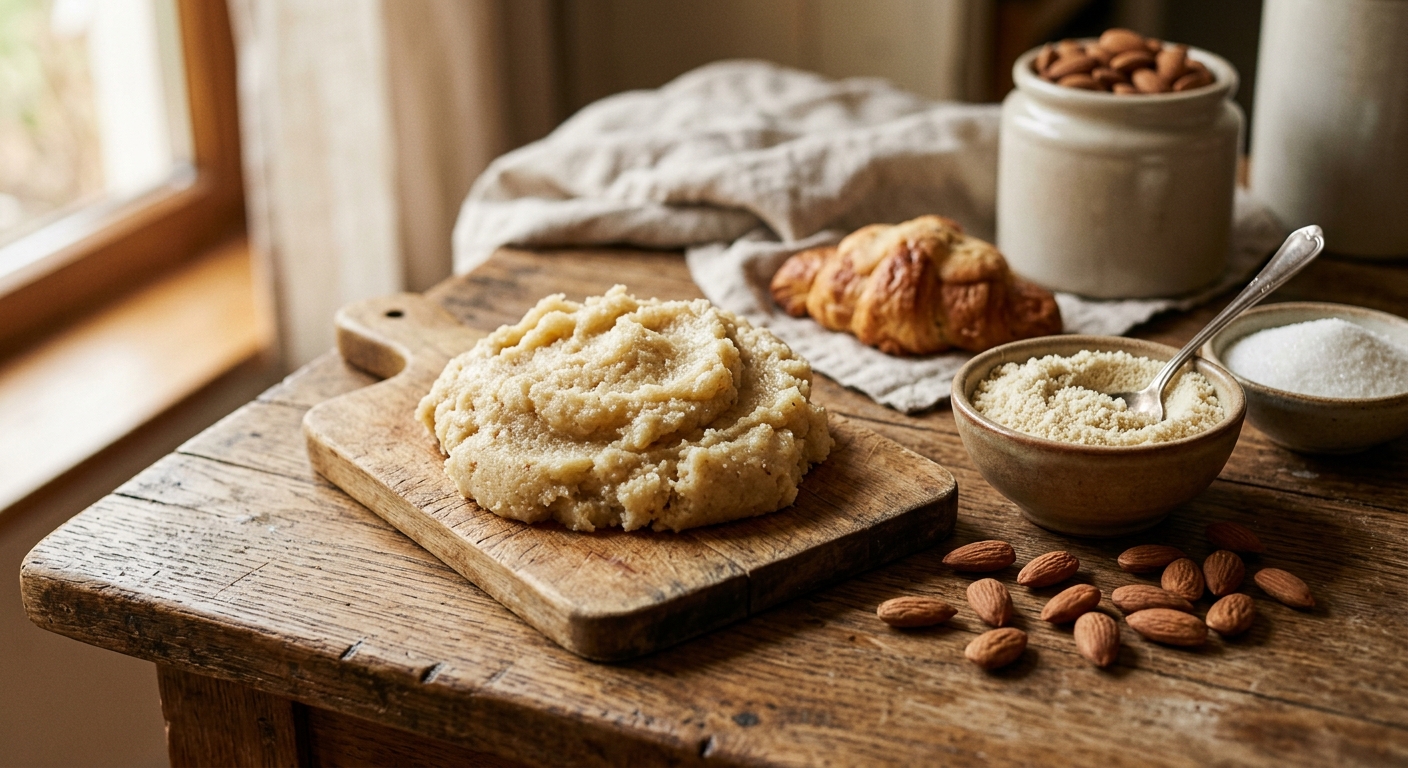
A thick, slightly sweet almond mixture used inside cakes and pastries. It adds flavour and moisture without announcing itself. It is not marzipan — the two are similar but not the same. Marzipan is typically smoother and sweeter. Almond paste typically has more texture and less sugar.

Usually means handmade and carefully produced. Also, it usually means more expensive. Sometimes that premium is entirely justified, genuine skill and time went into it. Sometimes it is just a marketing word on a supermarket label.

The liquid that collects in the pan while the meat roasts is concentrated, deeply flavoured and entirely natural. Serving the meat with those juices poured over is au jus. It is lighter than thick gravy, but full of flavour. If the meat arrives dry, with nothing to accompany it, they have missed the point entirely.

Eggplant — also called aubergine — is charred over a flame or under a grill until the skin blackens and the inside collapses into something soft and smoky. That smokiness is the whole point. Mix it with tahini, lemon, and garlic, and you get a dip that is earthy, rich, and quietly complex. Often confused with hummus by people who have not tried either. They are nothing alike.

A white powder that reacts twice — once when it hits liquid and again when it hits heat — producing bubbles that push batter upward. Unlike baking soda, it already contains its own acid, so nothing extra is needed to activate it. Too little and your cake stays flat. Too much and it rises fast, collapses in the middle, and tastes slightly metallic.
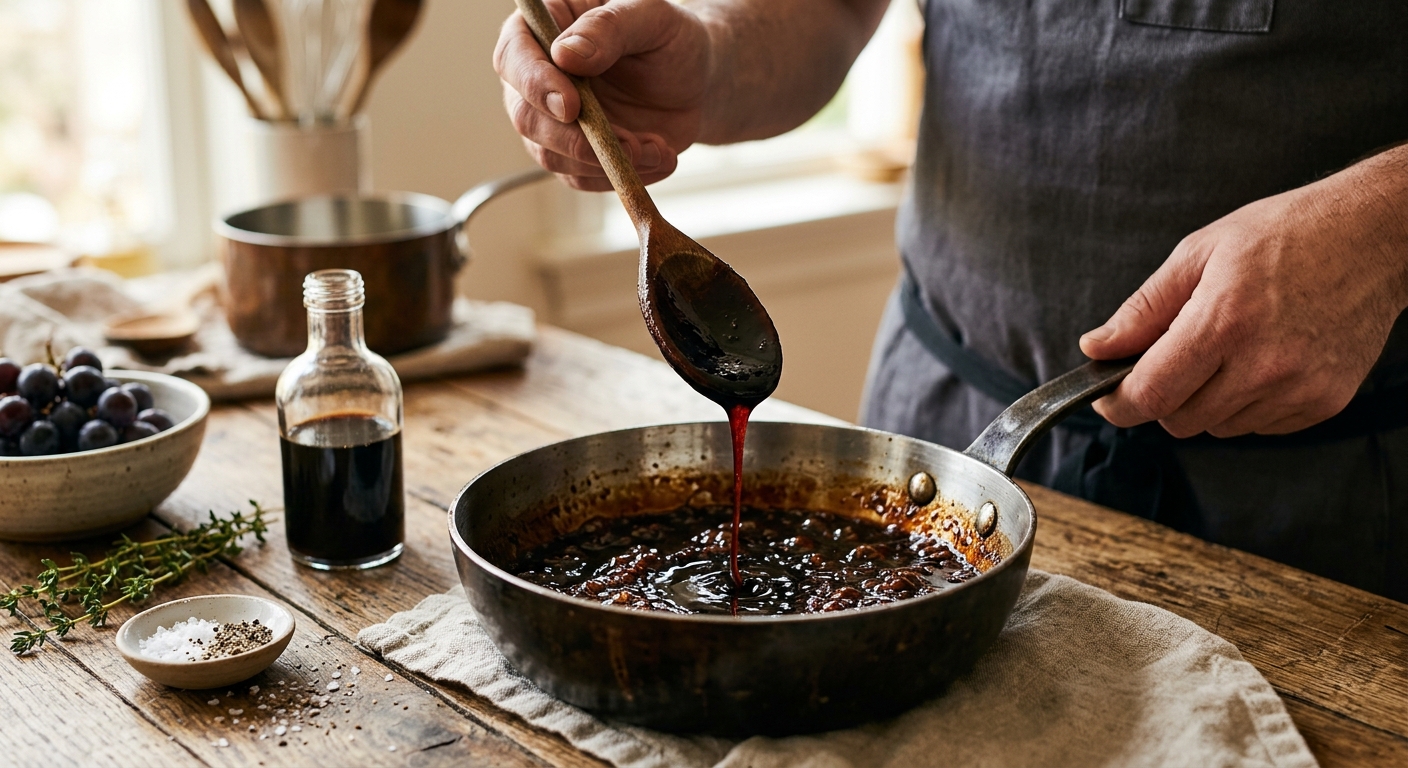
Balsamic vinegar starts thin and sharp. Cook it slowly, and the water evaporates, leaving something syrupy, sweet-sour, and concentrated. A few drops over grilled meat, fresh cheese, or strawberries is genuinely transformative. At home, you can make it by simmering cheap balsamic in a small pan for fifteen minutes.
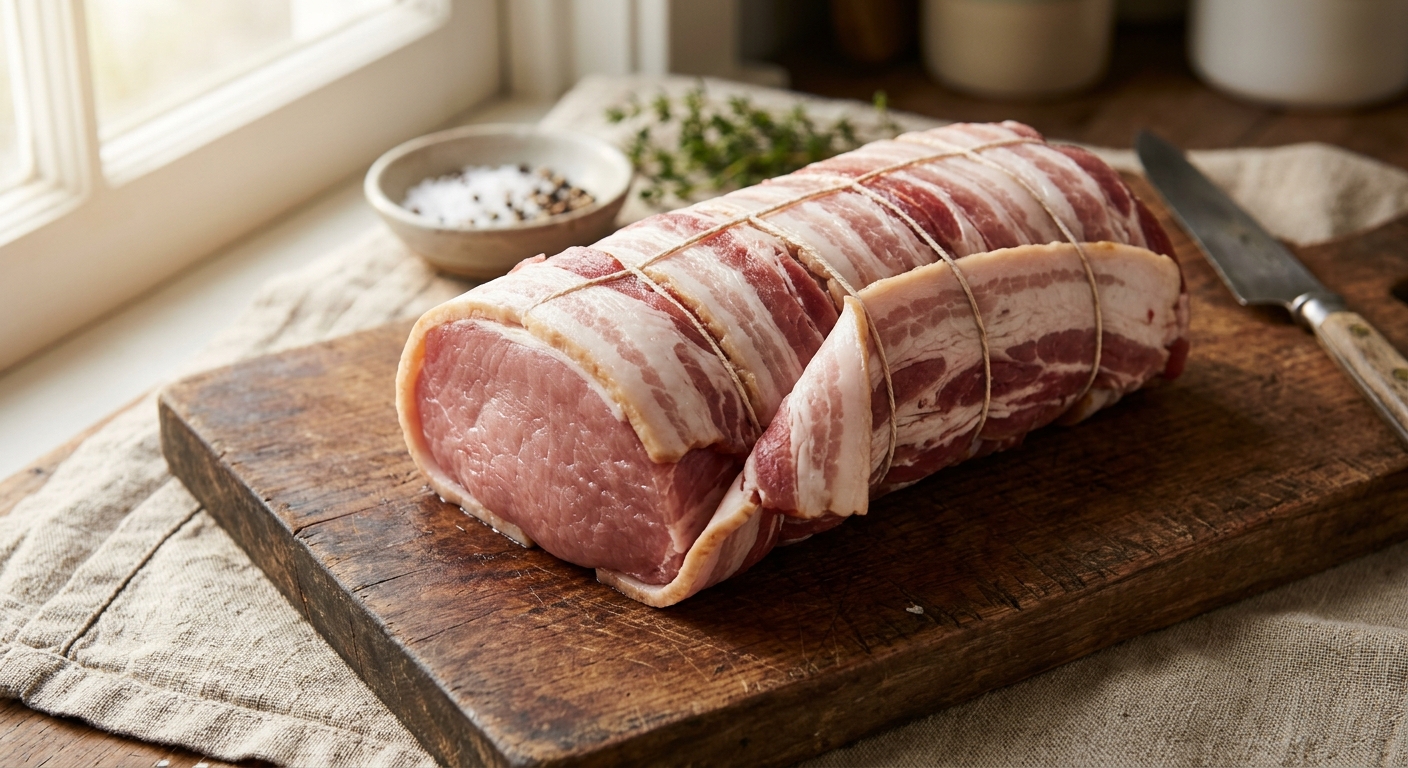
Lean cuts dry out quickly in the oven. Barding fixes that: wrap the outside in fat, and it bastes the meat as it renders. Bacon-wrapped chicken, bacon-wrapped pheasant, bacon-wrapped anything — that is barding. The bacon adds flavour as well as moisture.
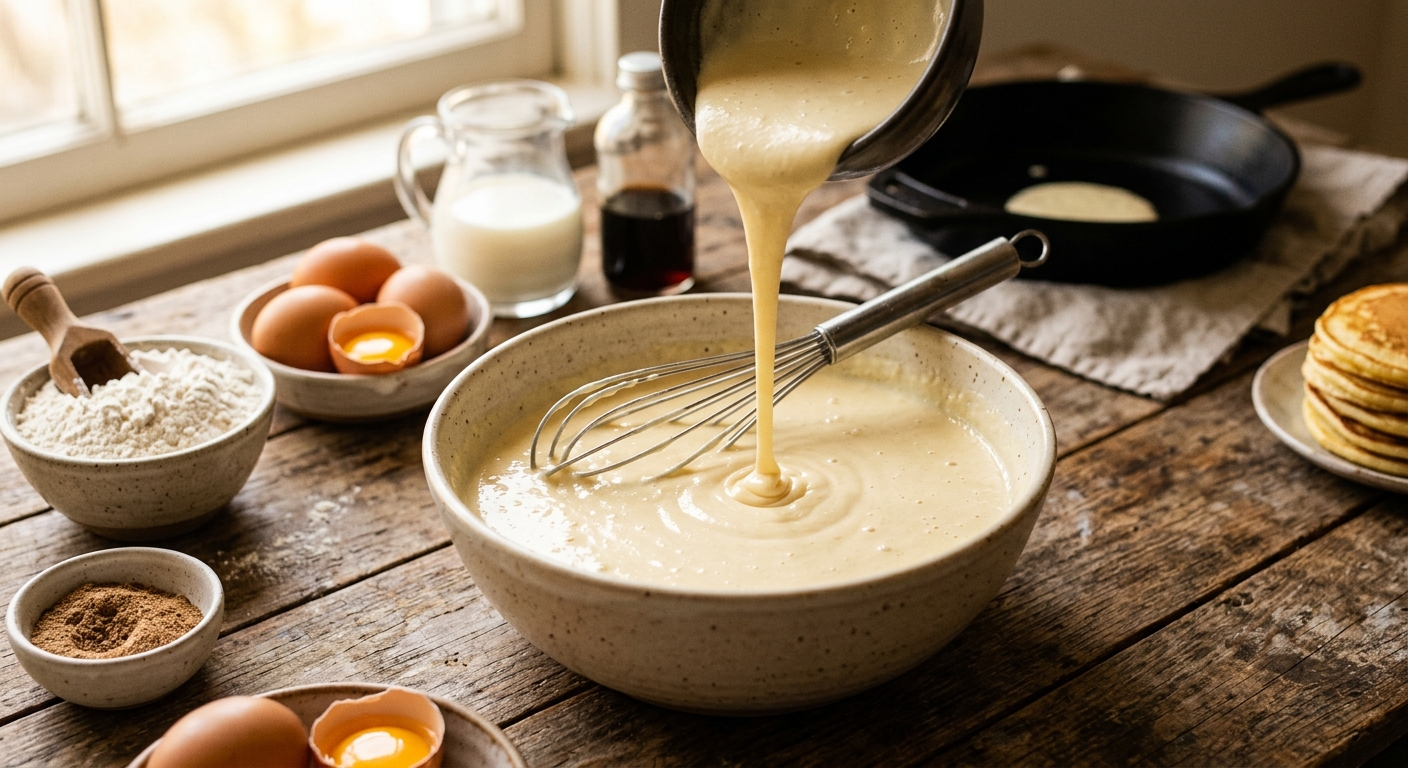
Batter is what you dip things in before frying them in hot oil, or what you pour into a pan to make pancakes. It should be smooth and lump-free, which is why most recipes tell you to whisk it. Fish and chip batter is usually made with beer or sparkling water for a lighter, crispier result. Pancake batter is thinner. Waffle batter is thicker.

Essentially a French doughnut, though calling it that in New Orleans will earn you some looks. The dough is soft, the frying makes it puffy and golden, and the icing sugar goes everywhere. Best eaten immediately, while still warm. They are very difficult to eat neatly.
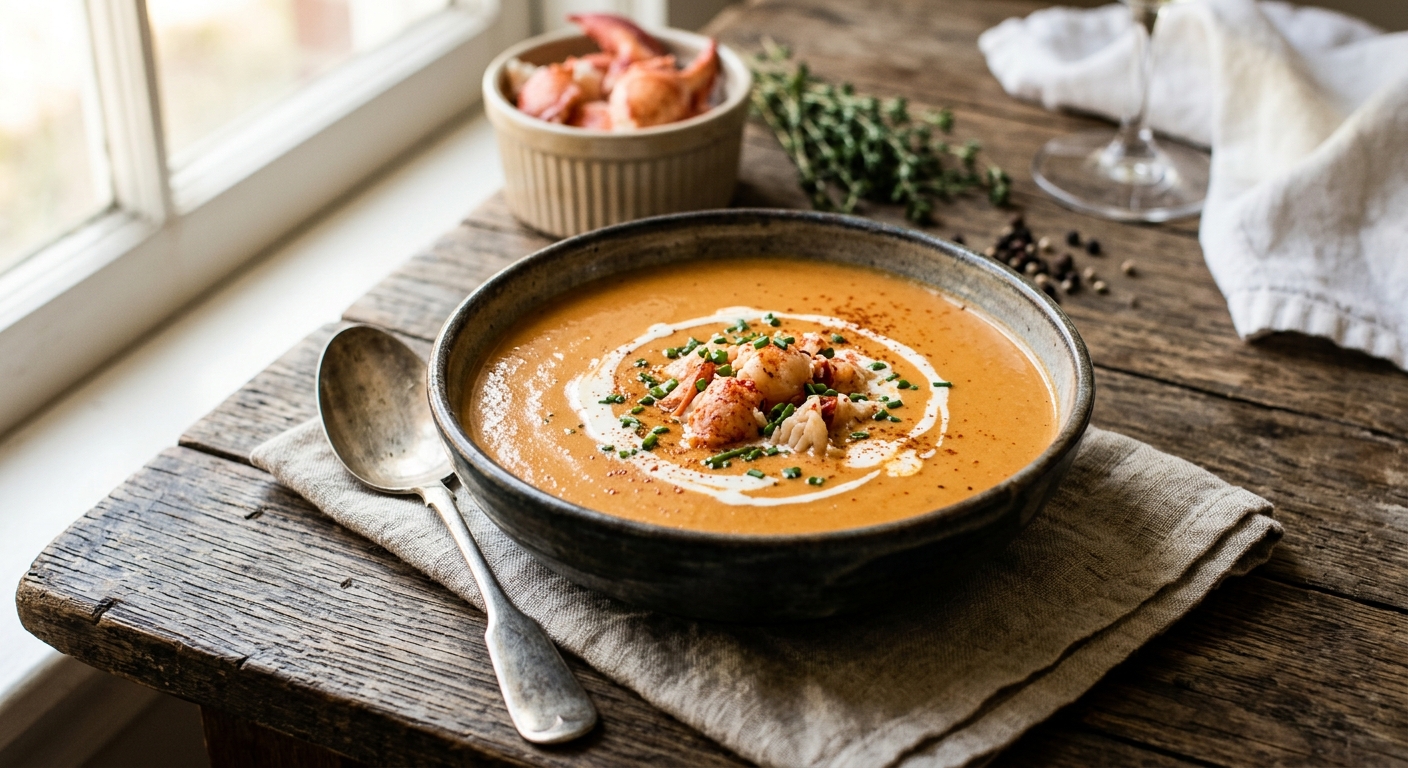
A proper bisque uses the shells as well as the flesh, simmered to extract every bit of flavour before being strained and finished with cream. The result is intensely savoury and considerably richer than an ordinary soup. On a menu, it signals something luxurious and usually expensive.

The taste most people learn to appreciate last, usually sometime in adulthood, when coffee stops being something to tolerate and becomes something to look forward to. On a menu, it signals a dish with an edge that cuts through richness or wakes up the palate. Paired with something sweet or fatty, it becomes interesting.

This is how restaurants get that perfectly cracked sugar crust on a crème brûlée. At home, a small kitchen blowtorch costs very little and makes you feel extremely professional. Point it at sugar, and it caramelises in seconds.

Real bolognese is not a tomato sauce with meat in it — it is a meat sauce with a little tomato in it. The difference matters. The meat is the main event, cooked slowly with onion, carrot, celery, and wine, with just enough tomato to add depth. It takes at least two hours to be good and is better the next day. The version from a jar is a different thing entirely.
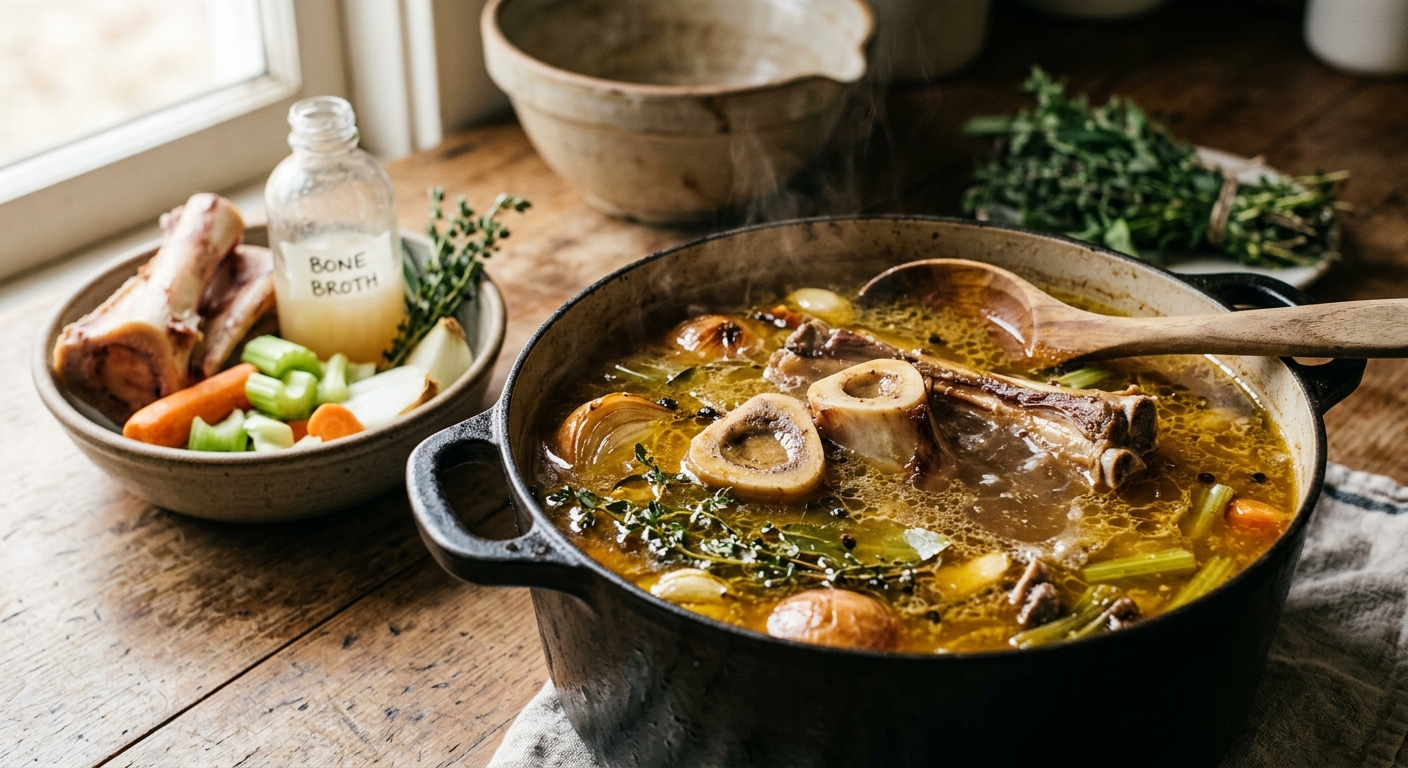
Stock's more committed sibling. Where ordinary stock simmers for a few hours, bone broth goes for twelve to twenty-four hours, extracting collagen until the liquid sets to a jelly when cold. That gelatine gives it a silky, mouth-coating richness that ordinary stock lacks. It became fashionable as a health drink. Whether the health claims hold up is contested.
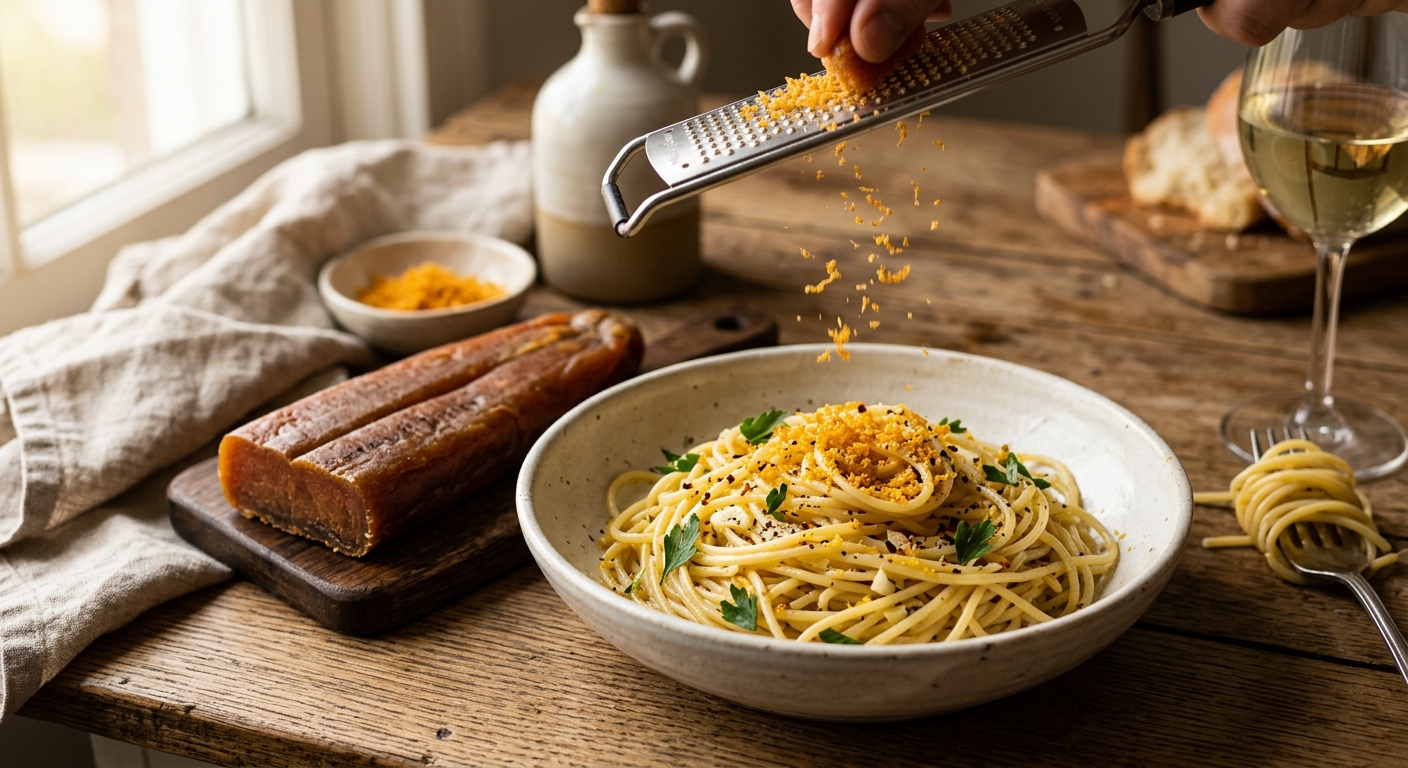
Think of it as the Parmesan of the sea. A little goes a long way. It smells assertive before it hits the food, then turns into something complex and deeply savoury on the plate. If you see it on a menu, it usually means the chef is serious about flavour.
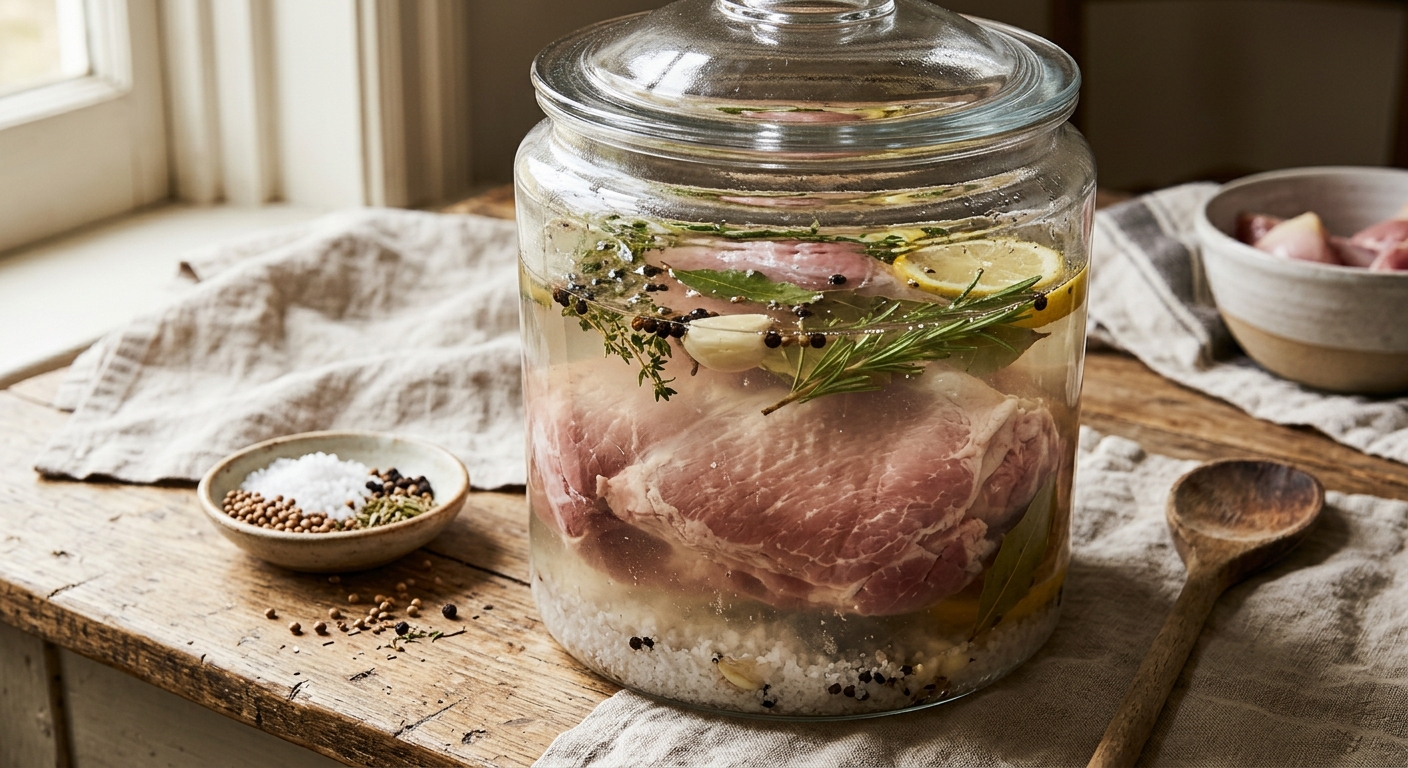
Salt draws moisture out of meat at first, then the meat reabsorbs it along with the salt, seasoning it all the way through. A brined chicken breast is noticeably juicier than an unbrined one because the salt alters the protein structure, helping it retain moisture during cooking.

More cake than bread in terms of richness, though used for both sweet and savoury purposes. The butter content is extraordinary — some recipes use as much butter as flour by weight. The result pulls apart in soft, pillowy layers, toasts beautifully, and makes the best possible base for a burger or French toast.
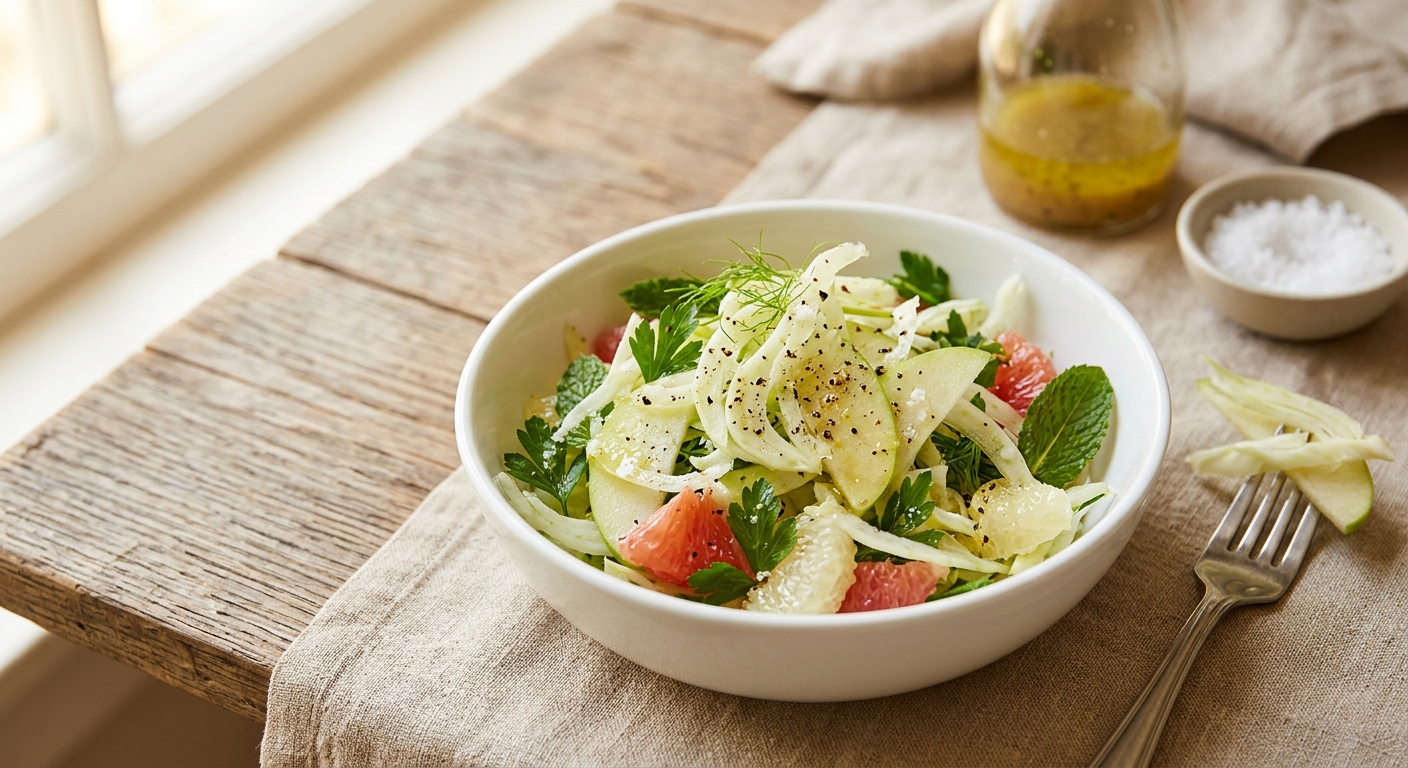
Not a cooking technique — just a menu word telling you to expect something that wakes your palate up. A brisk dressing is sharp and light. A brisk sauce has an acid edge. Alongside something rich, it signals balance. The opposite of brisk is cloying.

In Australia and the UK, this is called grilling. In America, it is broiling. Same thing: the heat source is above the food, and it is intense and direct. Good for browning the top of a gratin, finishing fish fillets or melting cheese.
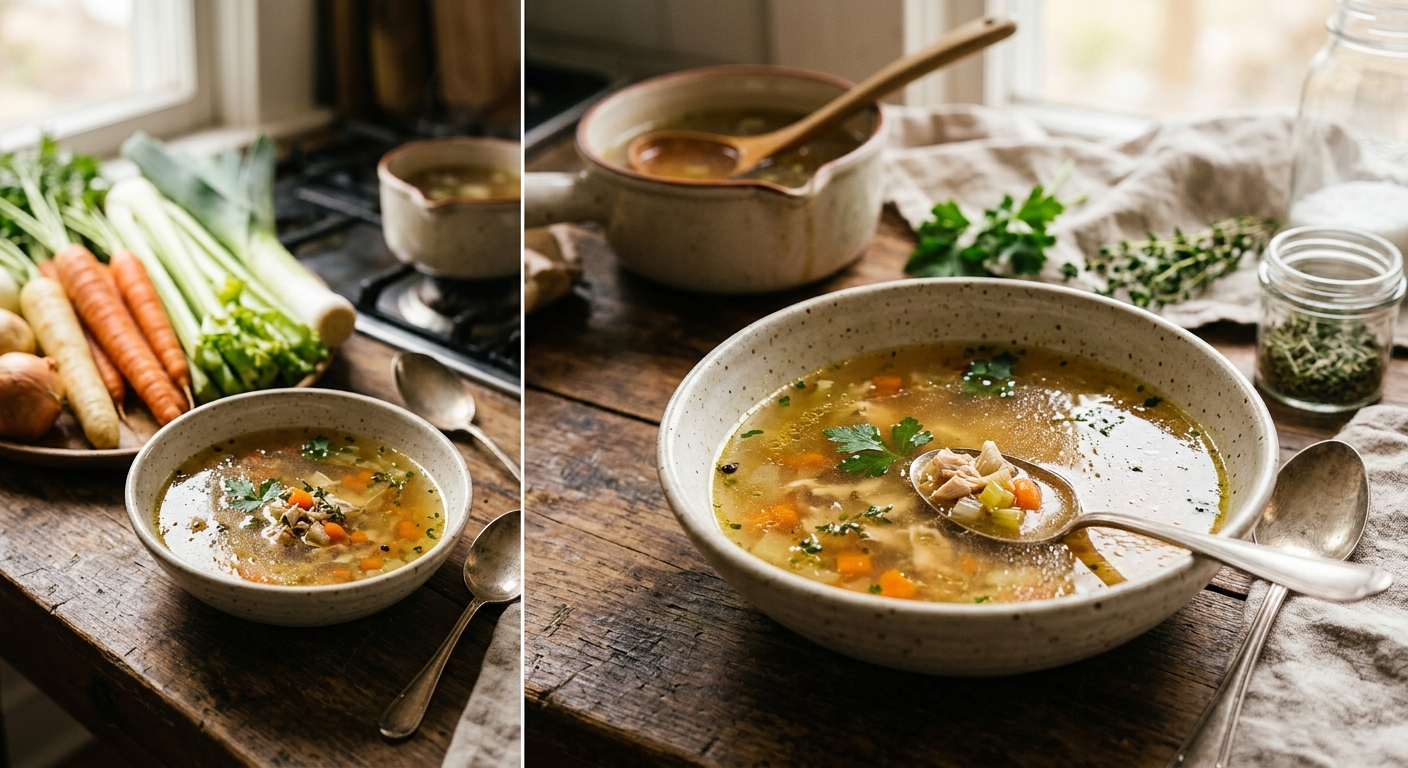
Broth and stock are often used interchangeably, but broth is generally lighter and can be eaten on its own, while stock is more intensely flavoured and used as a cooking base. On a menu, broth means something gentle and clean — a delicate bowl of flavoured liquid rather than something thick and rich.
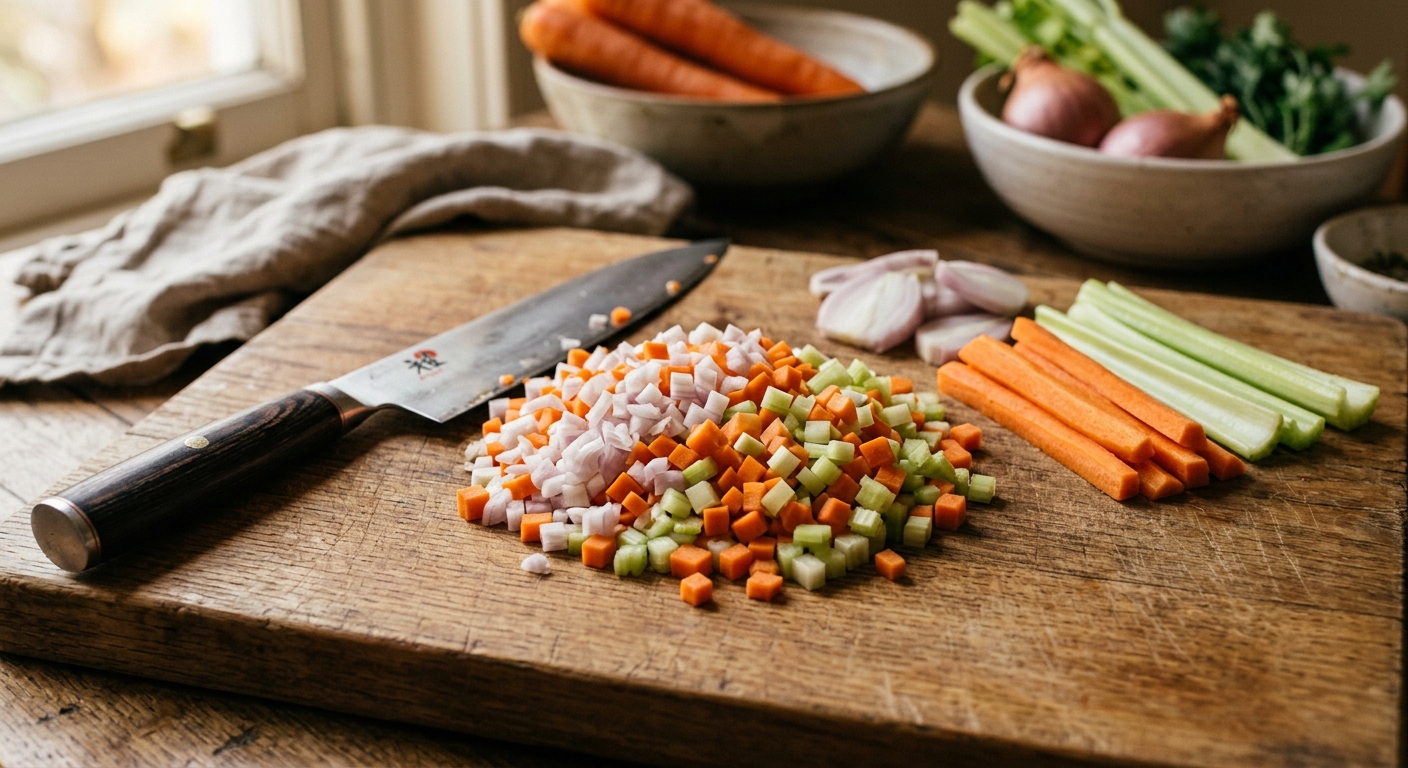
The smallest of the standard French dice cuts, and the one requiring the most patience. The point is that the vegetable cooks almost instantly and distributes evenly through a dish. You will see it in fine dining where presentation matters.
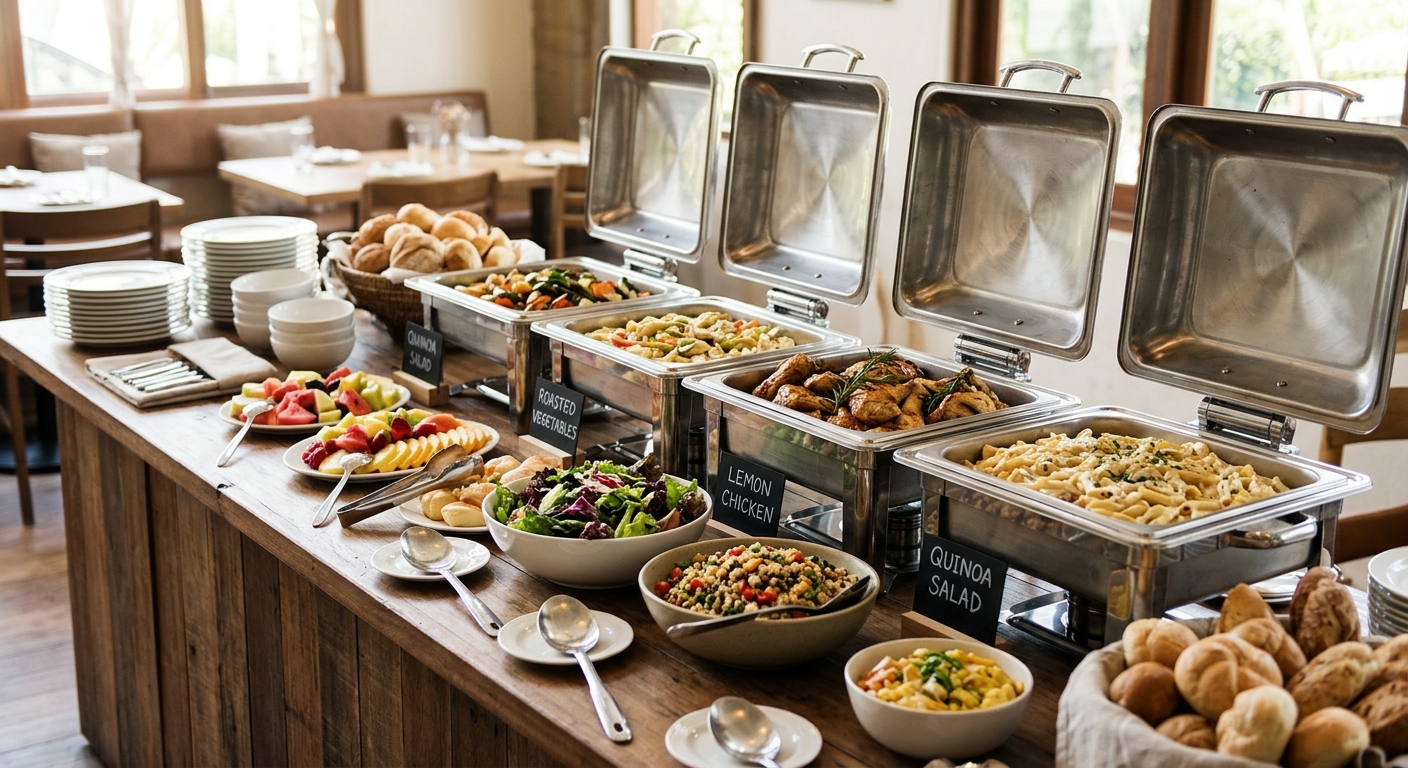
The format that simultaneously offers freedom and a mild sense of social anxiety. The strategic approach is one full reconnaissance lap before committing to a plate. The amateur approach is loading up on the first thing you see and spending the rest of the meal watching other people eat what you missed.

The standard finish for most celebration cakes. Basic buttercream is just butter beaten with icing sugar until fluffy — simple, sweet, and very rich. Swiss and Italian meringue buttercreams are made by beating cooked sugar into the butter, resulting in a silkier, less-sweet result. The fancy versions are considerably better.

The acidity in buttermilk does two useful things: It reacts with baking soda to help things rise, and it tenderises gluten, so baked goods come out soft rather than tough. Pancakes made with buttermilk are fluffier. Buttermilk fried chicken is more tender. If a recipe calls for buttermilk and you do not have any, add a tablespoon of lemon juice to regular milk and let it sit for five minutes.

A cannolo should crack when you bite it, not bend sadly like damp cardboard. The filling should be smooth, cool, and just sweet enough to feel indulgent without being heavy. Good bakeries fill them to order, so the shell stays crisp. Pre-filled ones sitting in a cabinet all day are a tragedy.
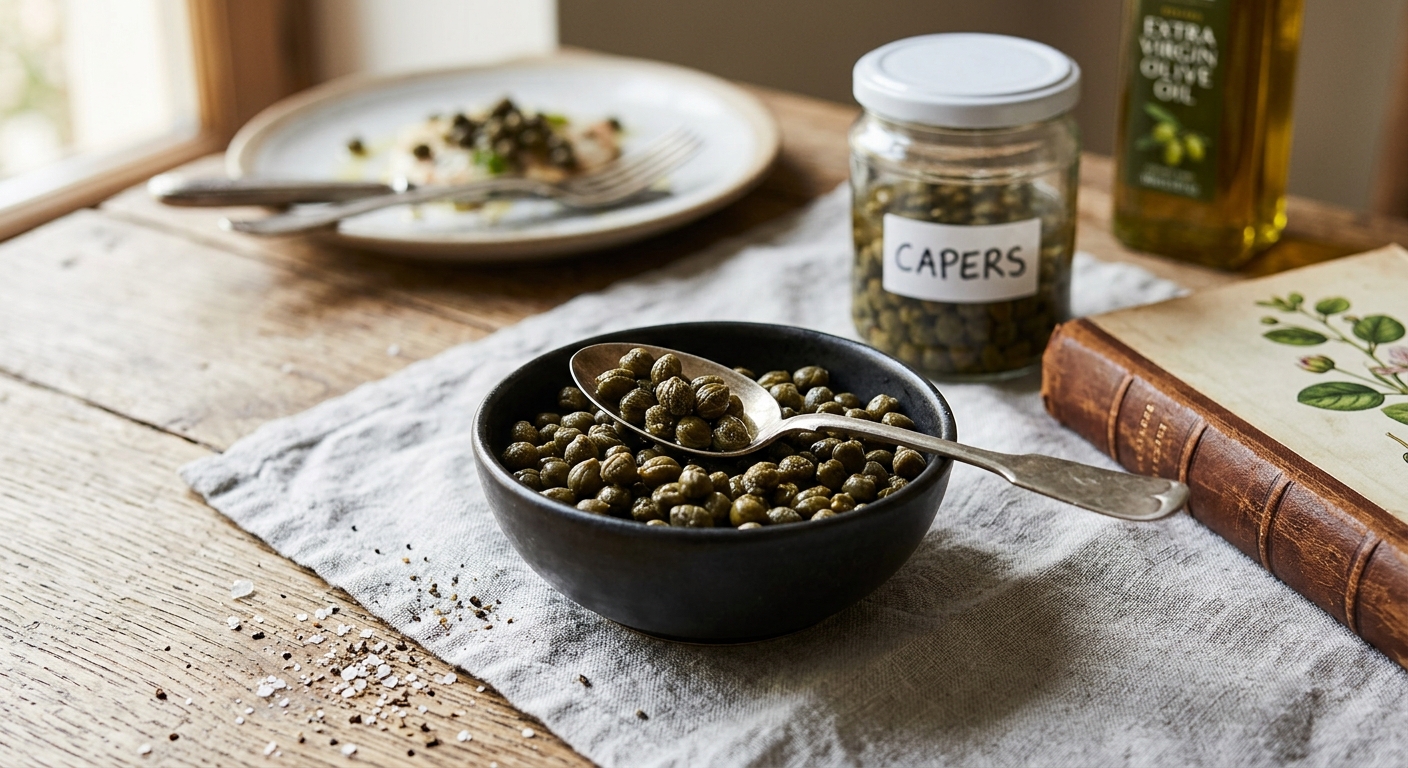
Capers are tiny flavour bombs that wake up anything they touch. One or two can transform a sauce, salad, or piece of fish. Rinse them if they’re packed in salt; if they’re in brine, they’re ready to go. They are not meant to be eaten by the spoonful.

Cassoulet is not a weeknight dinner — it’s a commitment. Everything cooks together slowly until the flavours meld and a golden crust forms on top. It’s the perfect thing for cold days when you have nowhere to be.

A cast-iron pan is slow to heat but unstoppable once it gets going. It gives steaks a sear that flimsy pans can only dream of. It’s heavy enough to double as home security, but that weight is what makes it brilliant. Treat it well, and it becomes better with age.

Lime juice “cooks” the fish by changing its proteins, giving it a firm, clean bite. The result is light, sharp, and incredibly fresh. It’s the opposite of heavy food — perfect for warm weather. Because the fish isn’t heated, it must be impeccably fresh.

Chantilly cream is whipped cream with better manners. It holds its shape but still feels airy and delicate. On menus, it signals that someone actually whipped the cream properly instead of scooping it from a tub. It elevates desserts without overwhelming them.

A charcuterie board is essentially a curated plate of delicious meats. Restaurants charge extra for arranging it on a wooden plate, but it’s still worth ordering. The variety of textures — silky, chewy, firm — is part of the fun. Add some bread and pickles, and you have a perfect starter.

Chawanmushi is one of the gentlest dishes you’ll ever eat. It’s smooth like panna cotta but savoury and warm. Each spoonful feels calm and comforting. The hidden ingredients inside add little surprises of flavour.
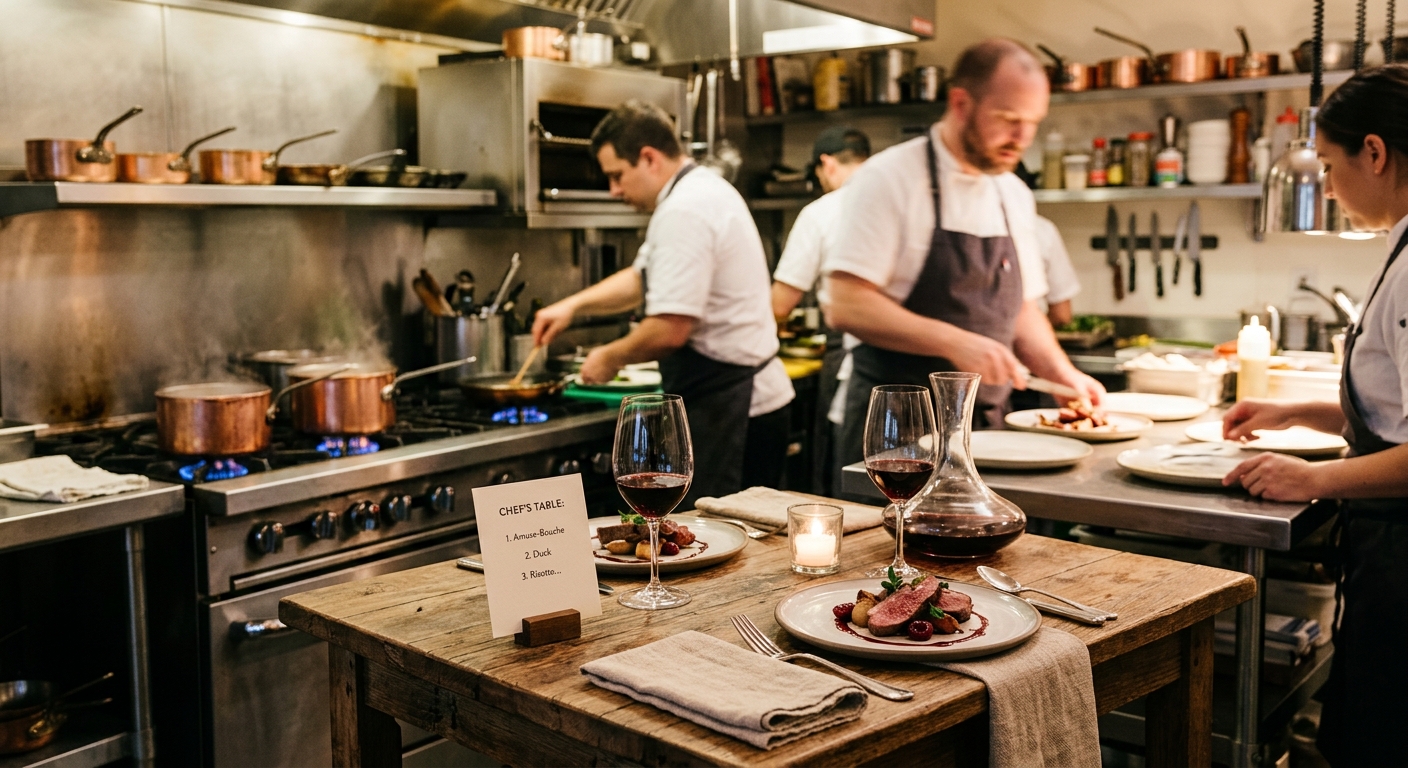
A chef’s table is dinner with a backstage pass. You watch the kitchen work, and the chef may explain each course. Some people find it thrilling; others feel like they’re being observed while they chew. Both reactions are perfectly reasonable.
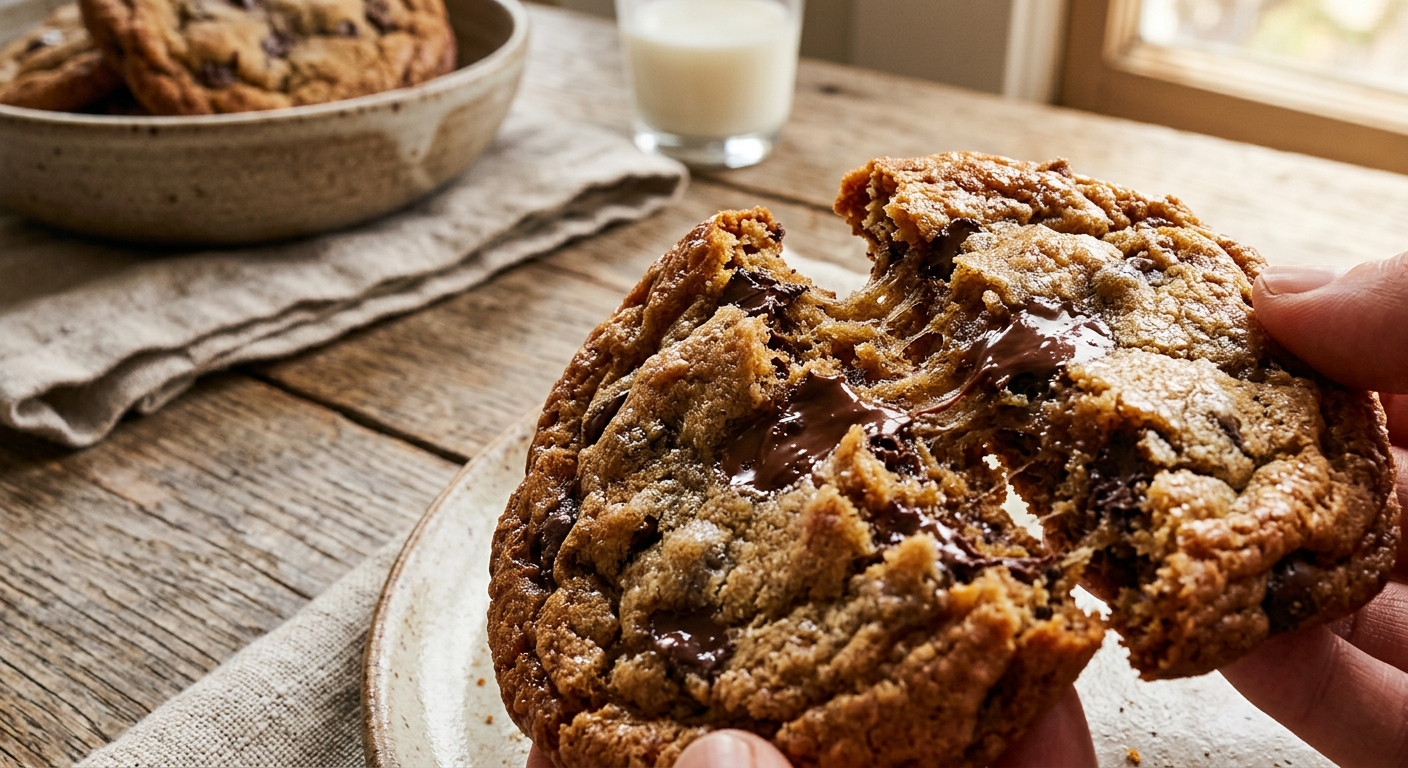
Chewy is not tough — tough means the food is fighting back. Chewy means it pushes back gently before giving in. Bagels and caramels should be chewy; steak should not. On menus, “chewy” is a compliment.

Choron is béarnaise with a touch of tomato — a small change that makes it gentler and prettier. It keeps the richness but softens the sharpness. It looks lovely on the plate. It’s a great choice if you like béarnaise but want something a little less intense.

Clafoutis sits somewhere between a baked custard and a thick pancake. Traditionalists insist on leaving the cherry stones in for flavour, but most people remove them to avoid dental drama. It’s simple, homey, and far better than it sounds. The fruit softens beautifully into the batter.

Chefs use classic cuts so everything cooks at the same speed. At home, “close enough” usually works. In a restaurant, “close enough” does not. Knowing the names helps you understand what a recipe expects.
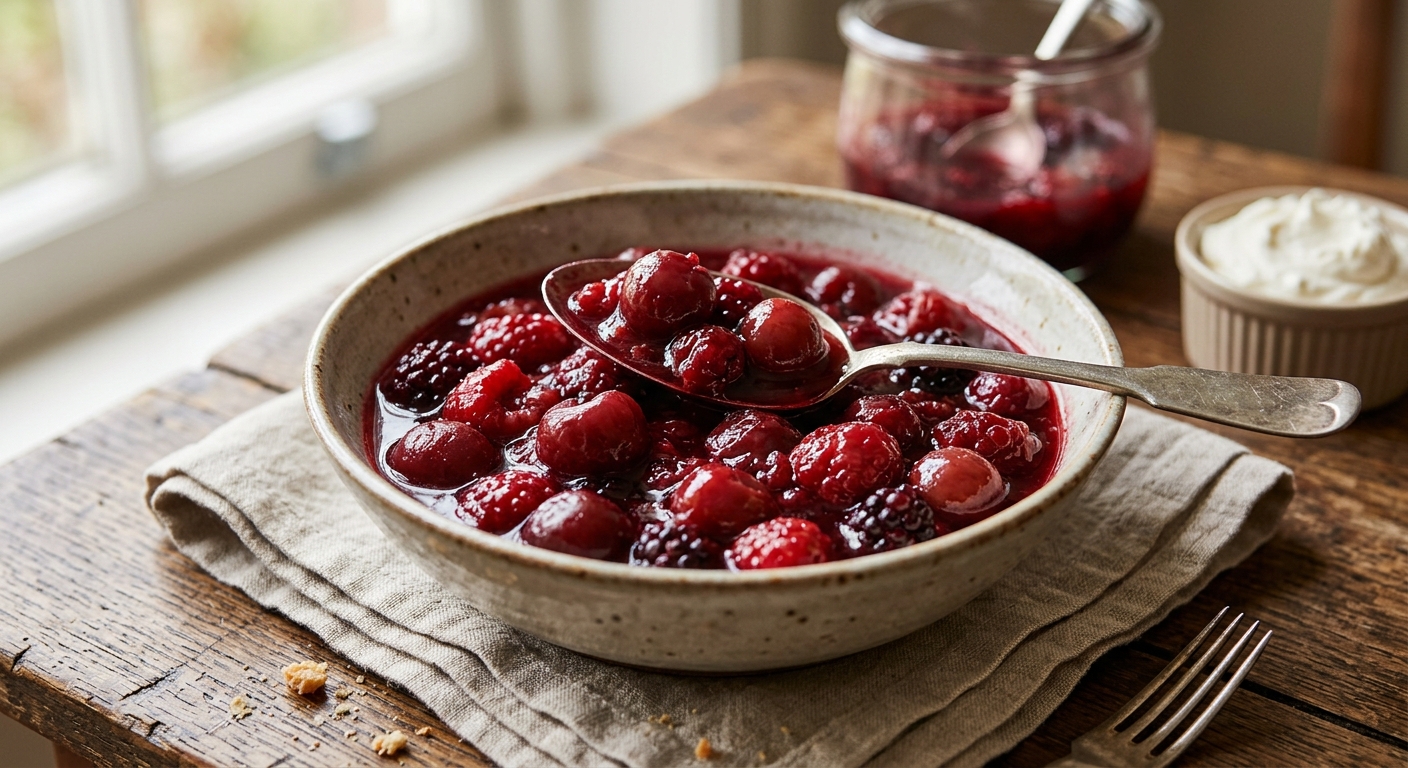
Compote is fruit that’s been softened but not smashed. It’s chunkier than jam and far easier to make. It works with yoghurt, ice cream, porridge, or cheese. It’s forgiving and hard to ruin.

Duck confit is the classic example — meat so tender it falls apart, with skin that crisps beautifully. Fat and time do all the work. Vegetables can be confit too, especially in olive oil. The technique preserves as well as cooks.
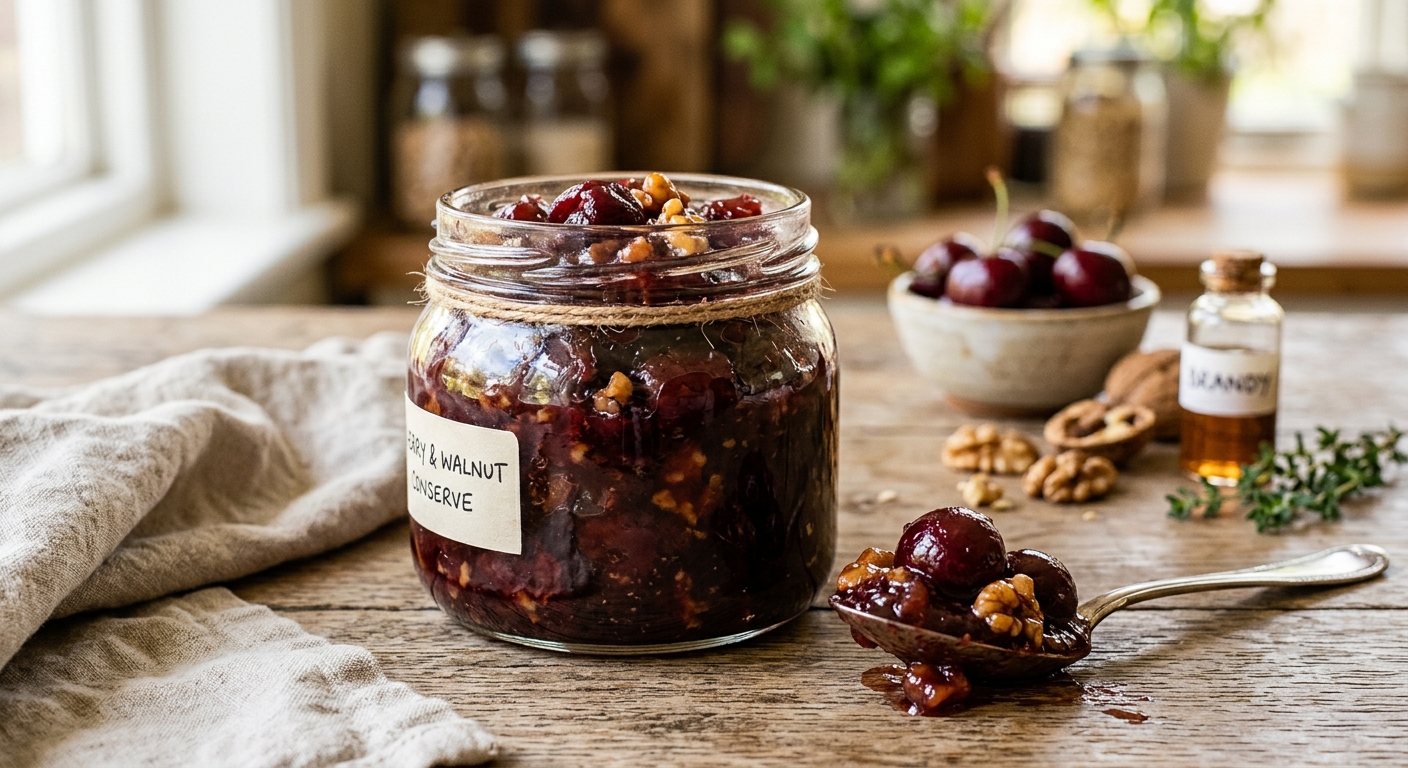
Conserve is jam with ambition. The fruit stays in recognisable pieces, giving it more character. It pairs beautifully with cheese. It feels a little fancier than jam without trying too hard.

Consommé looks simple but takes skill. It’s stock that has been cleaned up until it’s crystal clear. The flavour is intense and elegant. A small bowl is surprisingly satisfying.

At its best, a continental breakfast is charming — good coffee, fresh fruit, a proper croissant. At its worst, it’s a plastic-wrapped roll and a sad pat of butter. It’s the hotel breakfast when nobody wants to cook. The full English is its louder, greasier cousin.

Crimping is what keeps your pie from exploding in the oven. A fork gives a neat, simple edge; your fingers can add more decorative touches. It looks professional even when it’s easy. A well-crimped pie holds together beautifully.
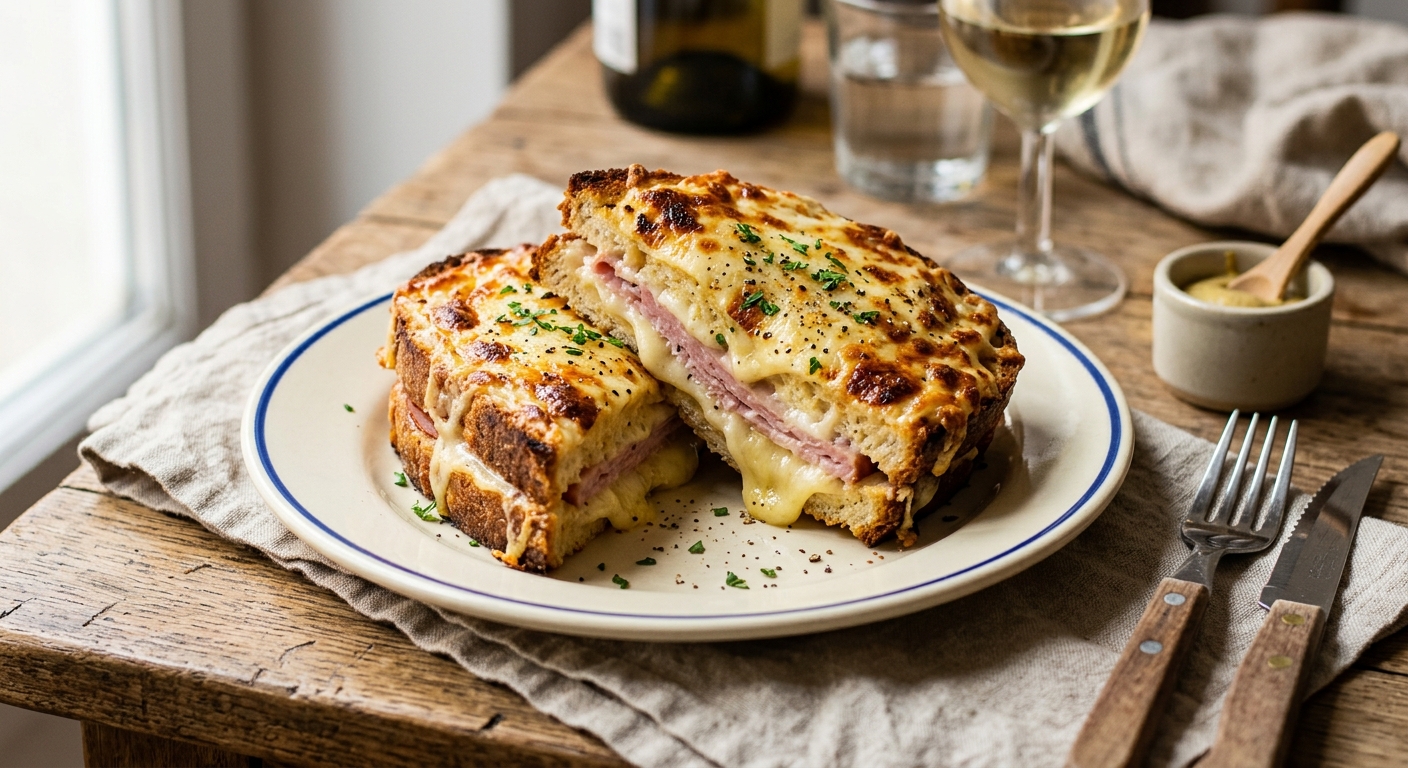
This is a toasted sandwich that has gone to Paris and taken itself very seriously. Good ham, good cheese, and a layer of béchamel make it far more than a snack. The top should be bubbling and slightly caramelised. It’s comfort food dressed in its best clothes.

Croutons are the reason Caesar salad is worth ordering. The bagged ones are fine; the homemade ones are far better. Toss stale bread with oil, garlic, and salt, bake it, and you’ve made magic. They stay crisp, add crunch, and use up leftovers.

Crudités is the French way of making carrot sticks sound fancy. They’re easy, colourful and rely heavily on a good dip. Hummus, tzatziki, or baba ghanoush all do the job beautifully. People nibble them politely while waiting for the real food.

Bakers obsess over the crumb because it tells the whole story. Big holes mean a well-fermented sourdough; tiny, even holes mean a perfect sandwich loaf. A tender crumb feels soft and inviting; a dense crumb feels heavy and sulky. Good crumb comes from good dough and proper baking.
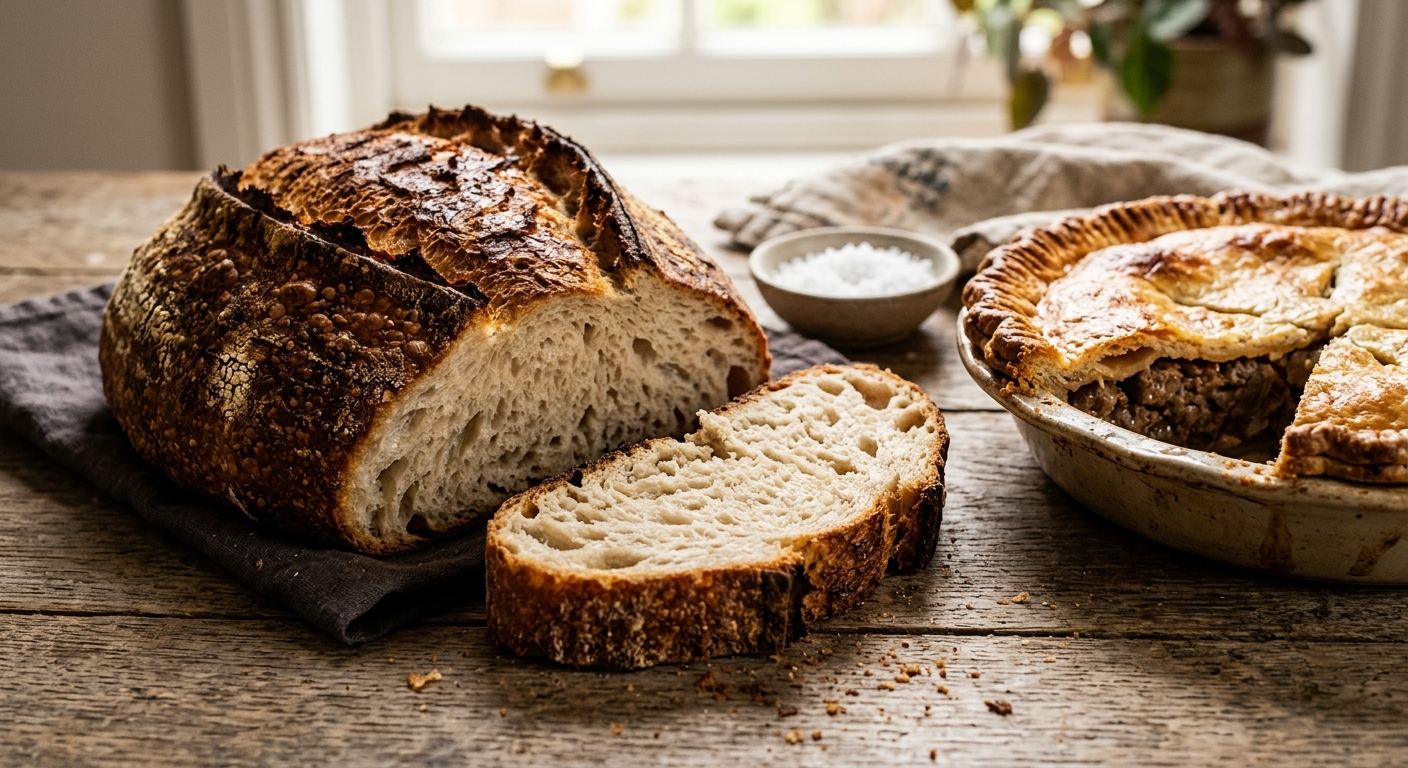
Crust is the part everyone fights over. Bread crust needs high heat and steam; pastry crust needs cold butter and patience. Meat crust — like on a seared steak — is pure flavour. Without crust, most foods feel unfinished.

The name means “burnt cream,” which undersells it completely. The custard should be cold, smooth and luxurious. The caramel top should crack under a spoon with a satisfying snap. The contrast is the whole point — soft below, glassy above.
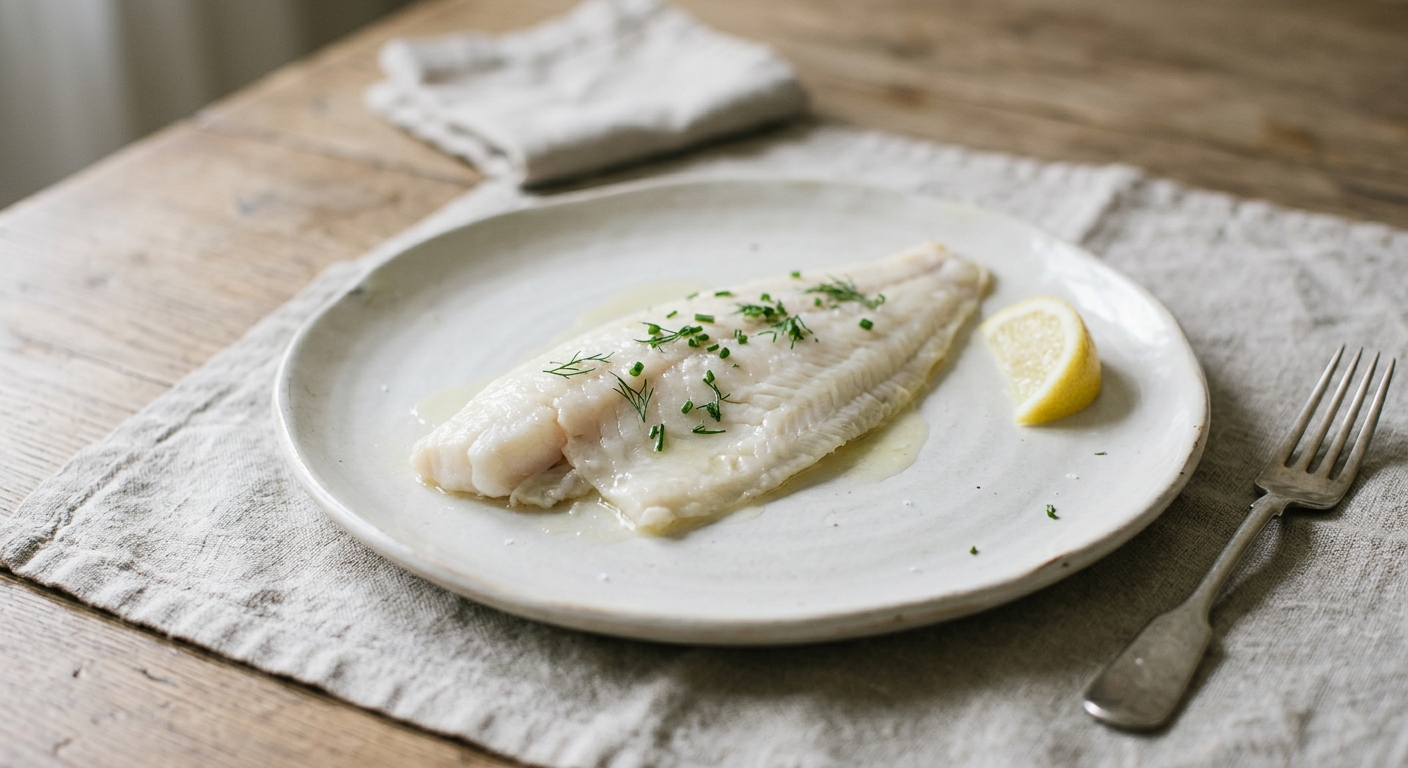
When a menu says delicate, expect something gentle rather than bold. Think white fish, young vegetables, soft cheeses — things that vanish under heavy sauces. The kitchen is signalling restraint and finesse. Pair it with something equally subtle, or you’ll bulldoze the flavour.
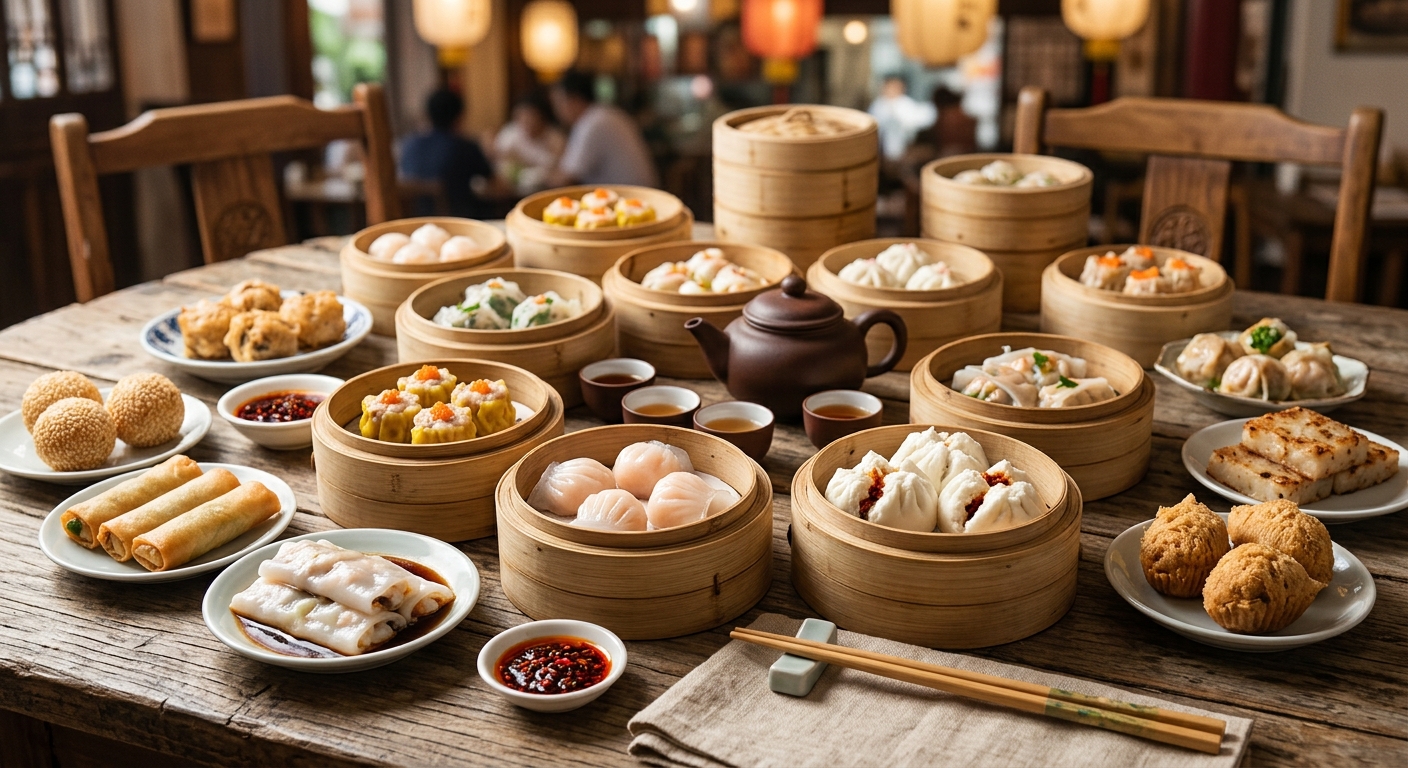
Dim sum is the joy of eating many small, expertly made things in one sitting. Har gow, siu mai, char siu bao — each one tiny, specific, and delicious. The dishes arrive steadily, either from trolleys or by order. It’s a meal built for conversation and grazing.

Rare beef is red, warm, and tender; well‑done beef is grey, firm, and dry — neither is wrong, they’re just different experiences. A thermometer tells you exactly where you are on the scale. Rare is around 52°C, medium about 60°C, well done around 71°C. For chicken and pork, “well done” isn’t a preference — it’s a requirement.

A dry rub is all about pressing spices into the meat and letting time do the rest. Thirty minutes gives you flavour; overnight gives you depth. Brown sugar caramelises, paprika adds colour, and garlic powder adds punch. The rub seasons the outside and helps create a beautiful crust.

A Dutch oven is the workhorse of the kitchen — dependable, versatile, and almost indestructible. It keeps heat steady and traps moisture, which is why braises turn out so tender. It also bakes bread with a crust that rivals a bakery. If a recipe says, “use a heavy pot,” this is what it means.
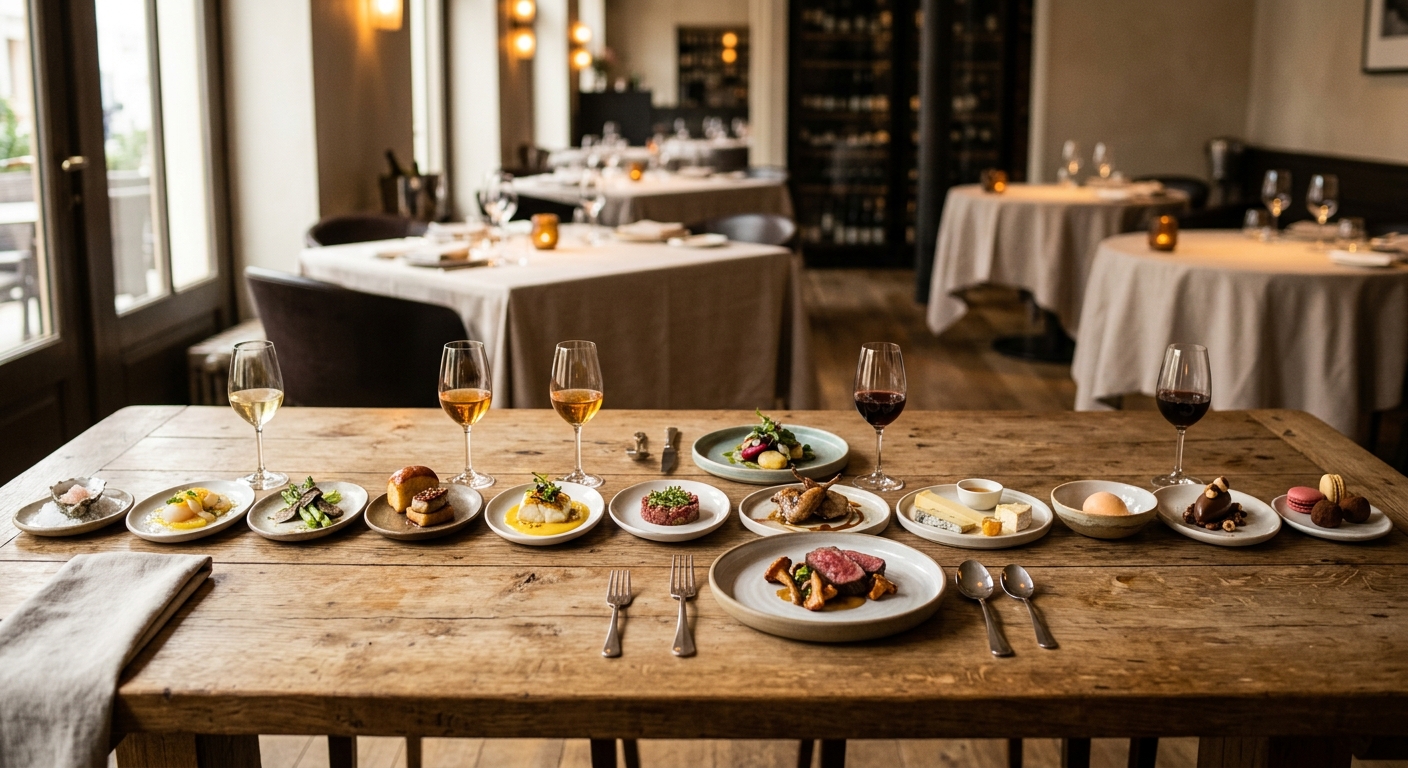
Two names, one idea — you hand over control and let the kitchen decide everything. Each course is tiny; there are many of them, and the meal takes a long time. The wine pairing costs extra and is usually worth it. At its best, it’s a memorable journey through what a kitchen can do.

Not a word that sounds appealing on paper but means something very specific and often very good in food. Earthy flavours are the deep, almost mineral notes in a bowl of lentil soup, the woodsy intensity of a fresh truffle, the dark sweetness of roasted beetroot. They ground a dish and give it weight. Paired with something bright and acidic, earthy flavours become interesting rather than heavy.

You get a bowl of green pods, you squeeze the beans out with your teeth, and you leave the pods in a pile. They are mild, slightly sweet, and satisfying to eat. You will see them on Japanese and pan-Asian menus as starters or snacks.
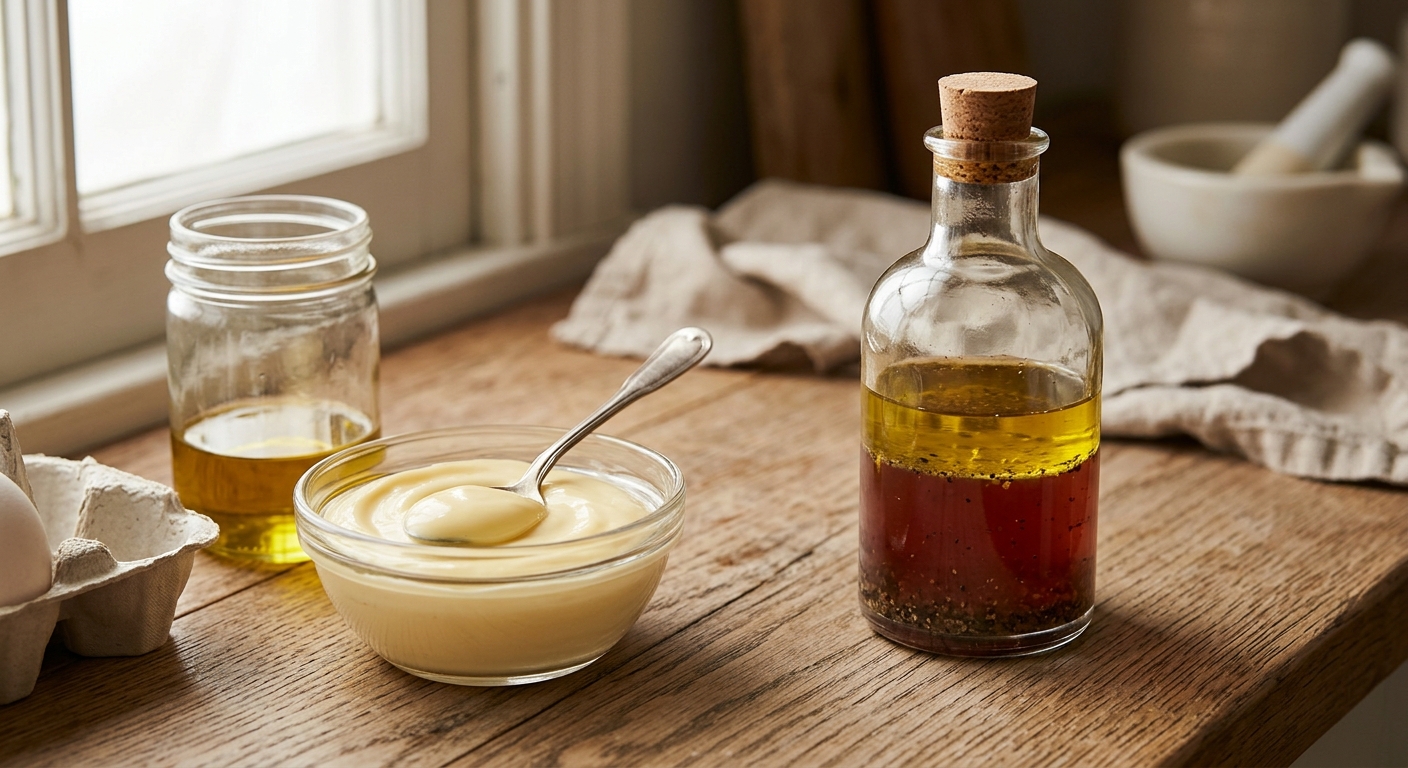
Think of a bottle of salad dressing left to sit — the oil floats on top, and the vinegar sinks to the bottom. Shake it, and it combines briefly before separating again. An emulsion is what happens when something acts as a go-between — egg yolk in mayonnaise, mustard in a vinaigrette — holding the oil and water together permanently so they do not separate again. Mayonnaise is an emulsion. Hollandaise is an emulsion. A well-made vinaigrette is a temporary one. When a sauce splits and goes greasy, the emulsion has broken.

French for in paper. You put fish, vegetables, or meat in the centre of a sheet of baking paper, add whatever aromatics you want — lemon, herbs, white wine, a knob of butter — fold the paper into a sealed parcel and bake it. The food steams inside its own little atmosphere. When the parcel is opened at the table, it releases a cloud of fragrant steam, which is theatrical and genuinely lovely.
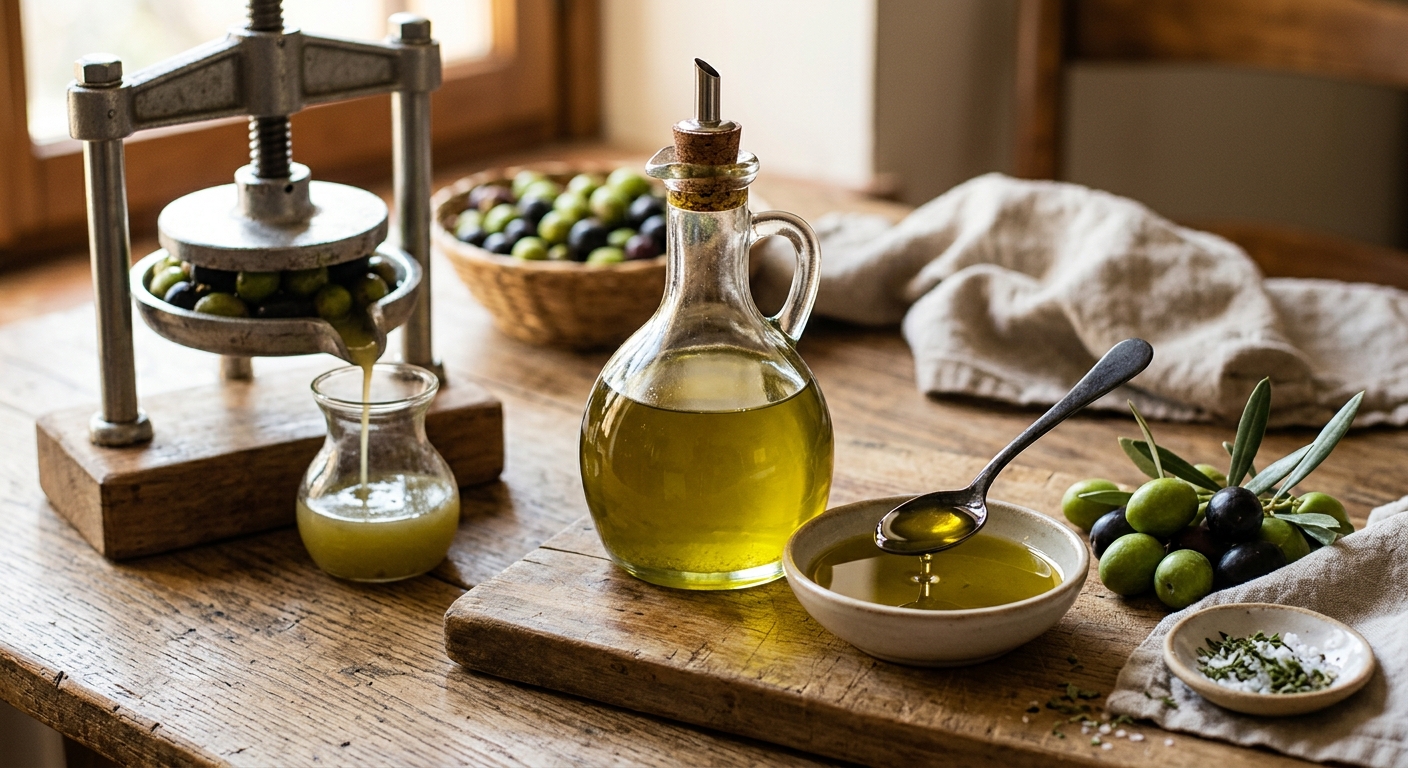
Not all olive oil is the same. Extra virgin means the oil was extracted purely by mechanical pressing without heat or solvents, the olives were in good condition, and the acidity is below 0.8 percent. The result has a flavour that ranges from grassy and peppery to fruity and mild, depending on the olive variety and region. Use it raw — in dressings, drizzled over food, dipped with bread — where the flavour matters. For high-heat cooking, a cheaper olive oil or neutral oil is more practical. Heating good extra virgin olive oil burns off the very thing you paid for.
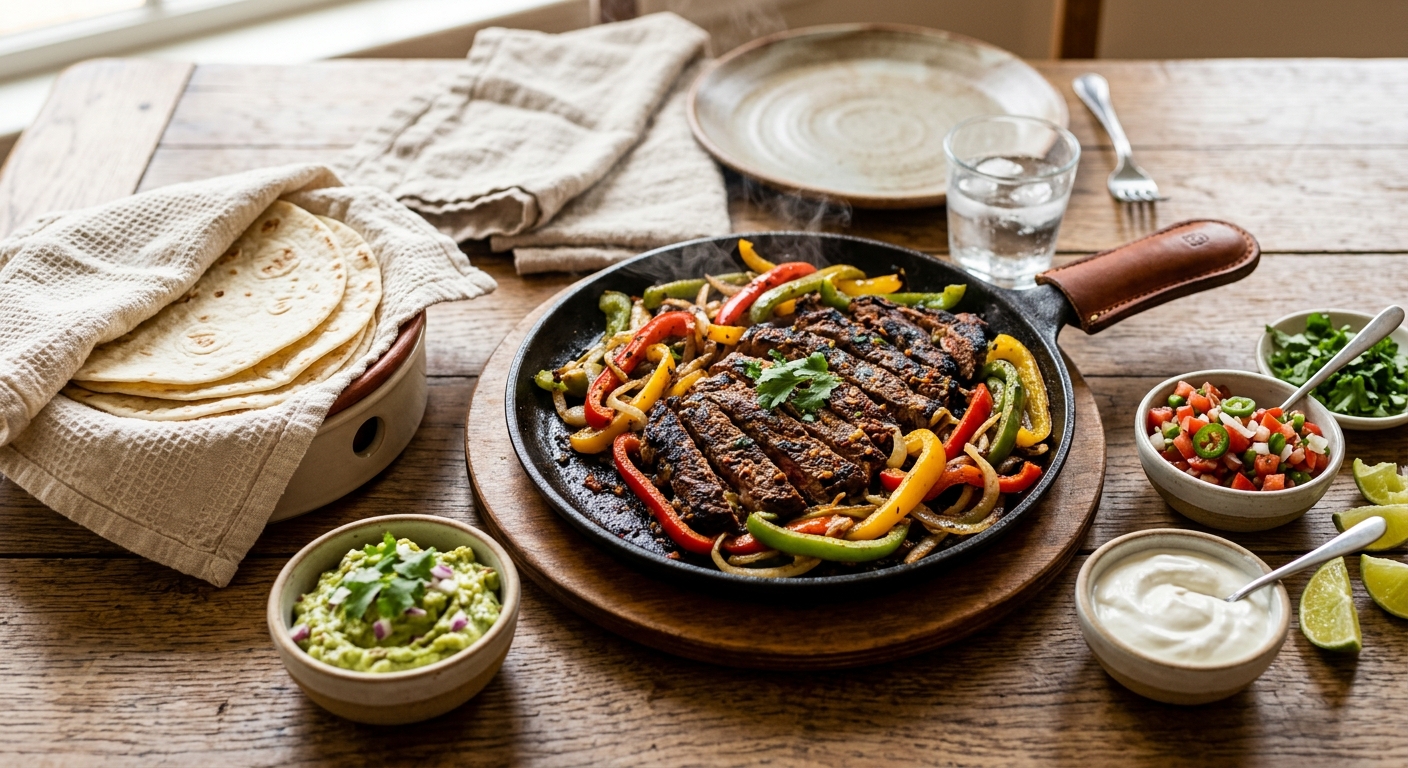
Everything arrives separately, and you assemble it yourself, which is either enjoyable or chaotic depending on the size of your table. The meat — usually chicken, beef or prawns — is cooked hot and fast so it has some char and colour. The peppers and onions go in the same pan. The tortillas come wrapped in foil to stay warm. The fun is in the building.

Crisp on the outside, soft and green inside from the herbs, and deeply savoury throughout. Good falafel is made from raw, soaked chickpeas ground fresh, not from tinned ones, which produces a denser, heavier result. Served in flatbread with tahini, pickles, and salad, they are one of the most satisfying things you can eat for very little money. The ones sitting under a heat lamp for hours are a different and sadder experience.

The flatbread is what makes fattoush rather than just a salad. It is toasted or fried until crisp, broken into pieces, and tossed through at the last moment so it keeps some crunch. The vegetables are bright and fresh — radishes, cucumber, tomatoes, spring onion, parsley, and mint — and the whole thing is sharpened with a generous squeeze of lemon and a dusting of sumac, which is a dark red Middle Eastern spice with a fruity, lemony tartness. If you have not used sumac before, it is worth finding — it does exactly what lemon juice does here, but without making anything wet.

A fish fillet is the flesh cut cleanly from the bones on either side of the spine. A fillet of beef is the long, tender muscle that runs along the inside of the backbone — the most expensive and most tender cut on the animal. In both cases, the bone has been removed, leaving pure flesh.

Between soft peaks — which droop — and stiff peaks — which stand completely rigid — firm peaks hold their shape clearly but with just enough give at the tip. This is the stage most recipes want for meringue folded into a mousse, or cream that needs to hold up without being overwhipped and grainy. Stop whipping too soon, and things collapse. Carry on too long, and cream splits into butter.
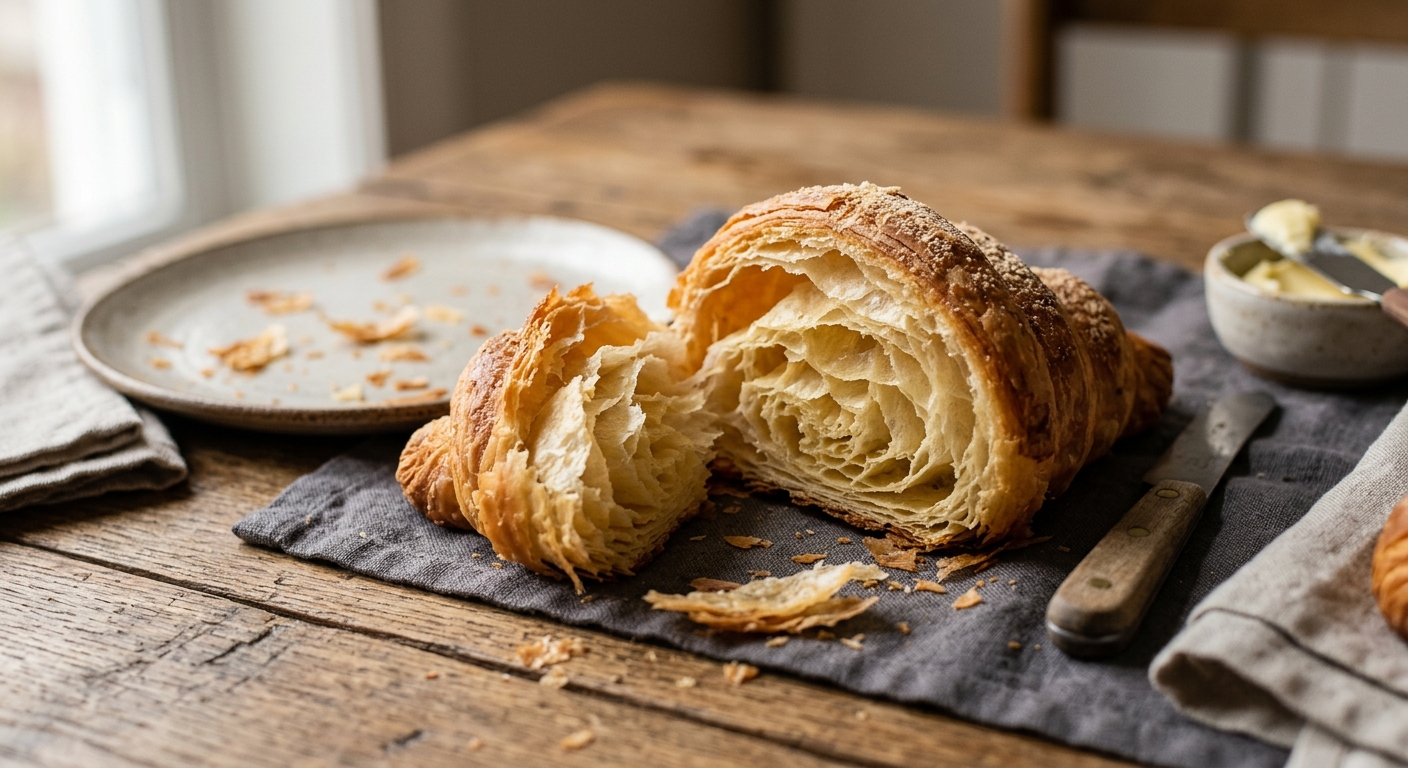
Flaky pastry is the result of cold fat distributed in layers through the dough, which steam separates into distinct sheets during baking. Flaky fish — cod, haddock, sole — breaks into large, moist segments rather than pulling apart in stringy fibres. On a menu, flaky is always a positive descriptor for both. It implies lightness, proper cooking, and a texture that is satisfying rather than dense.

Two very different things share this name. Fondant icing is the smooth, slightly firm paste that covers wedding cakes and celebration cakes — it can be rolled out, moulded and coloured. Fondant potatoes are a restaurant technique: thick cylinders of potato browned on one end in butter, then cooked standing upright in stock until they absorb it completely and collapse into something impossibly soft inside with a golden crust outside. The potato version is the more interesting one.
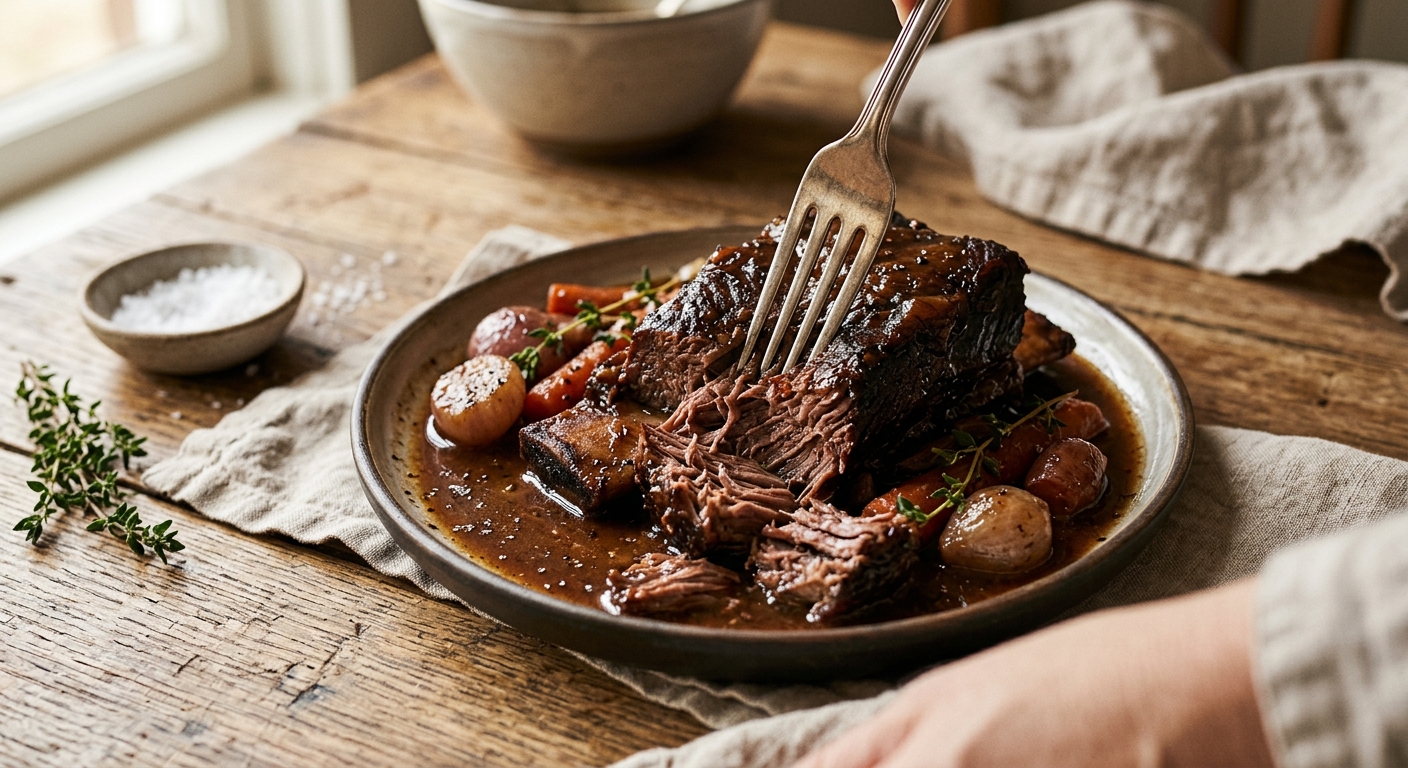
The instruction that tells you when something is actually done rather than nearly done. A braised short rib is fork-tender when the meat offers no resistance and a fork slides in and pulls apart with no effort. A potato is fork-tender when a fork goes through it cleanly without the potato crumbling or splitting. It is a more useful test than timing alone because ovens vary, cuts vary, and nothing cooks exactly the same twice. Use a fork.

The label covers a wide range of actual conditions, from genuinely spacious outdoor access to technically compliant but minimal outside space. Free-range eggs and chicken do generally taste better than their intensively farmed equivalents — the difference in yolk colour and flavour is noticeable. Whether this is due to diet, movement, or breed varies. The welfare argument for free-range is clearer than the flavour argument, though both point in the same direction.

Known as pain perdu in France — lost bread — because it was originally a way to use stale bread that had gone past its best. The egg mixture soaks into the bread, the frying sets it into something custardy inside and golden outside. Served sweet with maple syrup, fruit or icing sugar, or savoury with bacon and a fried egg. Brioche makes the best French toast. Thick-cut white bread makes very good French toast. Thin supermarket-sliced bread makes acceptable French toast.

The froth on a cappuccino is steamed milk that has had air incorporated into it until it is light and foamy. The froth on a soup is a deliberately made foam — sauce or liquid whipped to create something airy and light that sits on top. In fermentation, froth indicates that yeast is working and producing carbon dioxide. On a drink menu, frothy means light and aerated rather than dense.

Fish fumet is the quickest stock in the kitchen — fish bones and shells need only twenty to thirty minutes of simmering, after which the flavour is fully extracted and further cooking makes it bitter. The result is intensely savoury and forms the base of classic fish sauces, bisques, and poaching liquids. Mushroom fumet does the same job for vegetarian cooking — dried mushrooms simmered in water produce a liquid with remarkable depth and body. Either way, fumet is a concentrated flavour in liquid form.

Not a flaw — a flavour. Gamey describes the deeper, earthier, more complex taste of animals that have lived actively rather than being farmed intensively. Some people find it rich and interesting. Others find it too strong. The intensity varies with the animal, how it was hung and how it was cooked. Well-hung pheasant is considerably gamier than a quickly cooked duck breast.

Equal parts chocolate and cream produce a pourable ganache. More chocolate makes it firmer — thick enough to spread as a filling or roll into truffles when chilled. More cream makes it thinner and more sauce-like. The chocolate melts into the cream, resulting in something silkier and richer than either ingredient alone. It sets at room temperature and firms in the fridge. Flavoured with coffee, orange zest, mint, or alcohol, it becomes something more complex.

A garnish should do something useful. A sprig of parsley on a plate of fish does very little except turn slightly sad by the time it reaches the table. A few fried capers on smoked salmon adds texture, flavour and something to actually eat. Fresh herbs in a soup add fragrance and colour. The best garnishes are things you would want to eat even if nobody was watching.
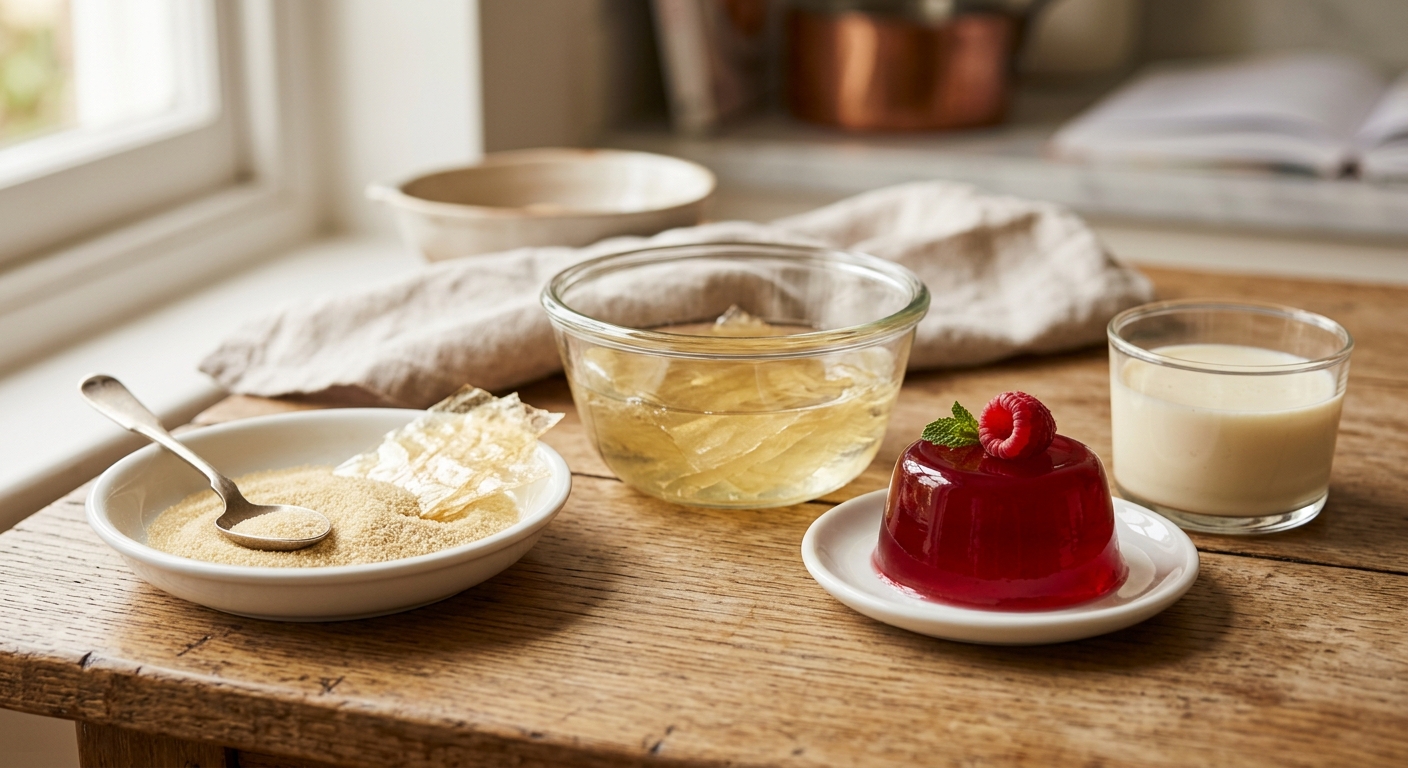
Gelatine is what makes a stock set into a jelly when cold; it is naturally present in bones and connective tissue. In powdered or leaf form, it is used to set desserts, stabilise mousses, and firm up terrines. Leaf gelatine gives more control and a cleaner result than powder. Both need to be bloomed in cold water first — allowed to absorb the water and soften — before dissolving in warm liquid. Too much and the result is rubbery. Too little and it does not set.
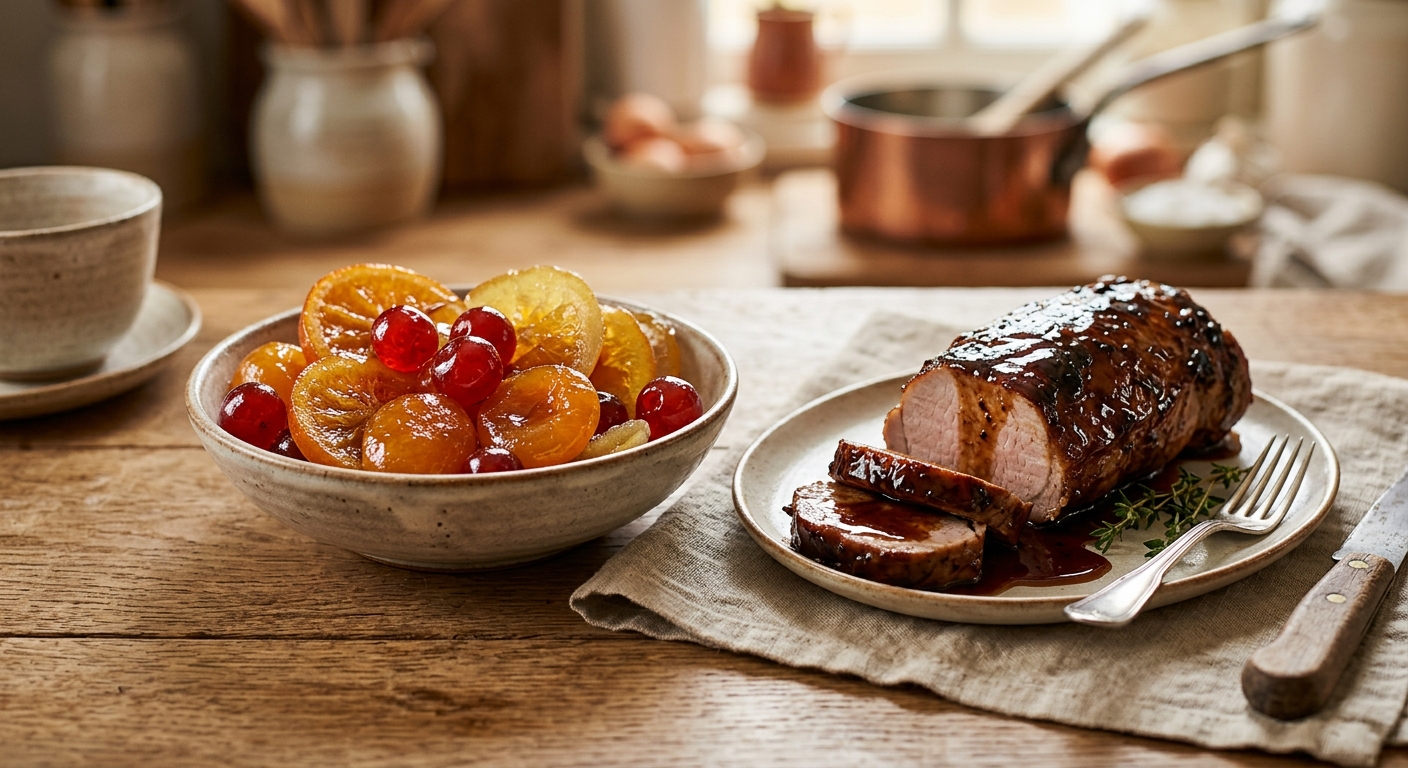
Glacé cherries are the ones on top of a fruit cake — preserved in sugar syrup until bright red and intensely sweet. Glacé icing is a simple water-and-icing-sugar glaze on a finger bun or Danish pastry — thin, shiny, and sweet. Both uses share the same root meaning: a smooth, shiny surface. On a menu, glacé usually refers to something glazed — a vegetable coated in butter and sugar, or a dessert with a shiny finish.

A glaze does several things at once. An egg wash glaze on pastry creates colour and shine in the oven. A honey or marmalade glaze on a ham caramelises during roasting and adds sweetness and a sticky lacquer to the outside. A chocolate glaze on a tart sets to a mirror-like finish. A reduction of stock and butter glazes vegetables, making them look as if they have been dressed for an occasion.

Glossy is what you are aiming for in most sauces and many finishes. A glossy sauce has been properly reduced and finished with butter, which emulsifies into the liquid, giving it a sheen. A glossy meringue has been whipped to the right stage. Glossy chocolate has been tempered correctly.

Without gluten, bread would not rise, and pasta would fall apart. When flour and water are mixed and worked, two proteins — glutenin and gliadin — link together to form a stretchy, elastic network that traps the gas produced by yeast and expands during baking. More kneading develops more gluten and produces a chewier result. Less kneading produces a more tender one. For people with coeliac disease or gluten intolerance, this protein causes serious problems.

Pronounced NYOK-ee, not g-NOCK-ee. The G is silent. Worth knowing before ordering in an Italian company. Good gnocchi are light and pillowy — the potato should dominate, and the flour should be used as sparingly as possible to hold them together. Too much flour and they become dense and doughy. They can be served with any pasta sauce — butter and sage is the classic, tomato works well, a rich meat ragu transforms them entirely.

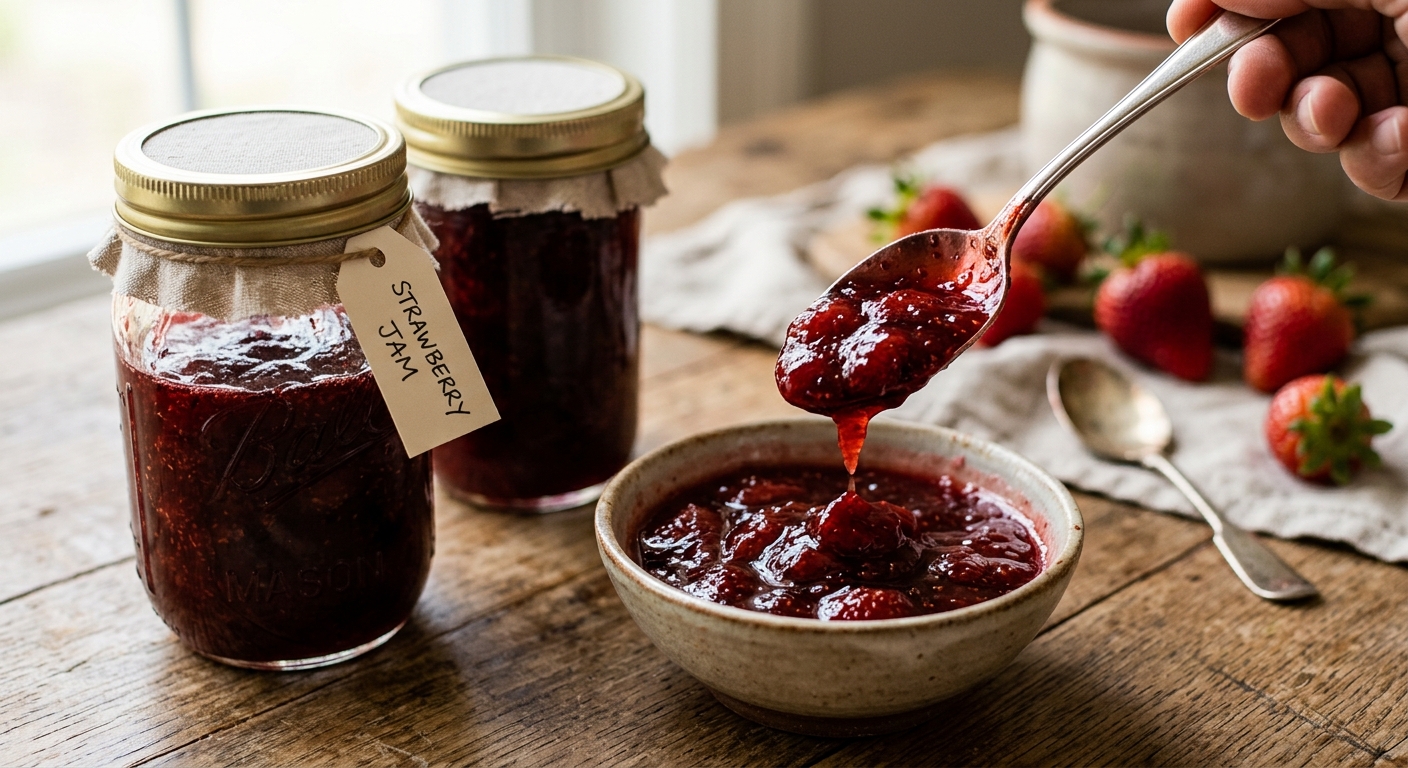
The ratio is roughly equal parts fruit and sugar by weight, though this varies with the fruit's natural pectin content. High-pectin fruits — blackcurrants, gooseberries, plums — set easily. Low-pectin fruits — strawberries, cherries — need help from added pectin or a squeeze of lemon juice. Jam has reached the setting point when a small amount dropped on a cold plate wrinkles when you push it with your finger. Under-set jam is runny; over-set jam is solid and slightly caramelised.

Not a gravy and not a stock — something thinner and more concentrated than either. A proper jus is made by reducing meat juices and sometimes stock, until the liquid is glossy, intensely savoury and coats the back of a spoon lightly. It does not get thickened with flour or cornflour — it thickens through reduction alone. On a fine dining menu, jus is the sauce.

Lard fell out of fashion when vegetable oils became cheap, and dietary fat became feared, and a generation of pastry suffered for it. Lard produces shorter, more tender, and flakier pastry than butter alone. It has a higher smoke point than butter, making it better for deep frying. Its flavour is mild and savoury rather than dairy-rich. Traditional recipes for pie crust, tamales, and many regional baked goods still call for it, and with good reason.

Essentially, small chunky pieces of bacon. They get fried until crispy and added to salads, stews, pasta, and egg dishes. The word makes them sound more French and more expensive than they are. On a menu, lardons usually mean there is bacon in it.

The stalk itself is too fibrous to eat — it is used whole in curries and soups to infuse flavour and removed before serving, or the tender inner part is finely sliced or pounded into a paste. Its flavour is somewhere between lemon and ginger — bright, clean and aromatic in a way that dried or powdered versions cannot replicate. If a Thai curry tastes properly fragrant and fresh, lemongrass is usually part of the reason.

The temperature at which yeast needs to work without dying. Too cold and the yeast stays dormant. Too hot, and it is killed before it has done anything useful. Lukewarm is the Goldilocks zone — comfortably warm on the inside of your wrist, like a bath you would actually get into. If the water feels hot, it is too hot. If it feels cool, it is not warm enough. Getting this right is the difference between dough that rises and dough that sits there looking defeated.

The liquid version of a dry rub. Acid in the marinade — lemon juice, vinegar, yoghurt, wine — begins to break down the surface of the meat and allows the other flavours to penetrate. Oil carries fat-soluble flavour compounds into the food. Herbs, spices, garlic, and aromatics add complexity. How long to marinate depends on what you are working with — delicate fish needs thirty minutes at most, a robust lamb shoulder can handle overnight. Longer is not always better.

Time transforms cheese. A young cheddar is mild, slightly rubbery, and inoffensive. A mature cheddar aged for eighteen months or more is sharp, crystalline in texture, with flavour compounds that have developed during ageing. The same principle applies to Parmesan, Gouda, Manchego, and most hard cheeses. The longer the age, the more intense and complex the flavour. On a cheeseboard, mature cheese does not need anything to make it interesting.
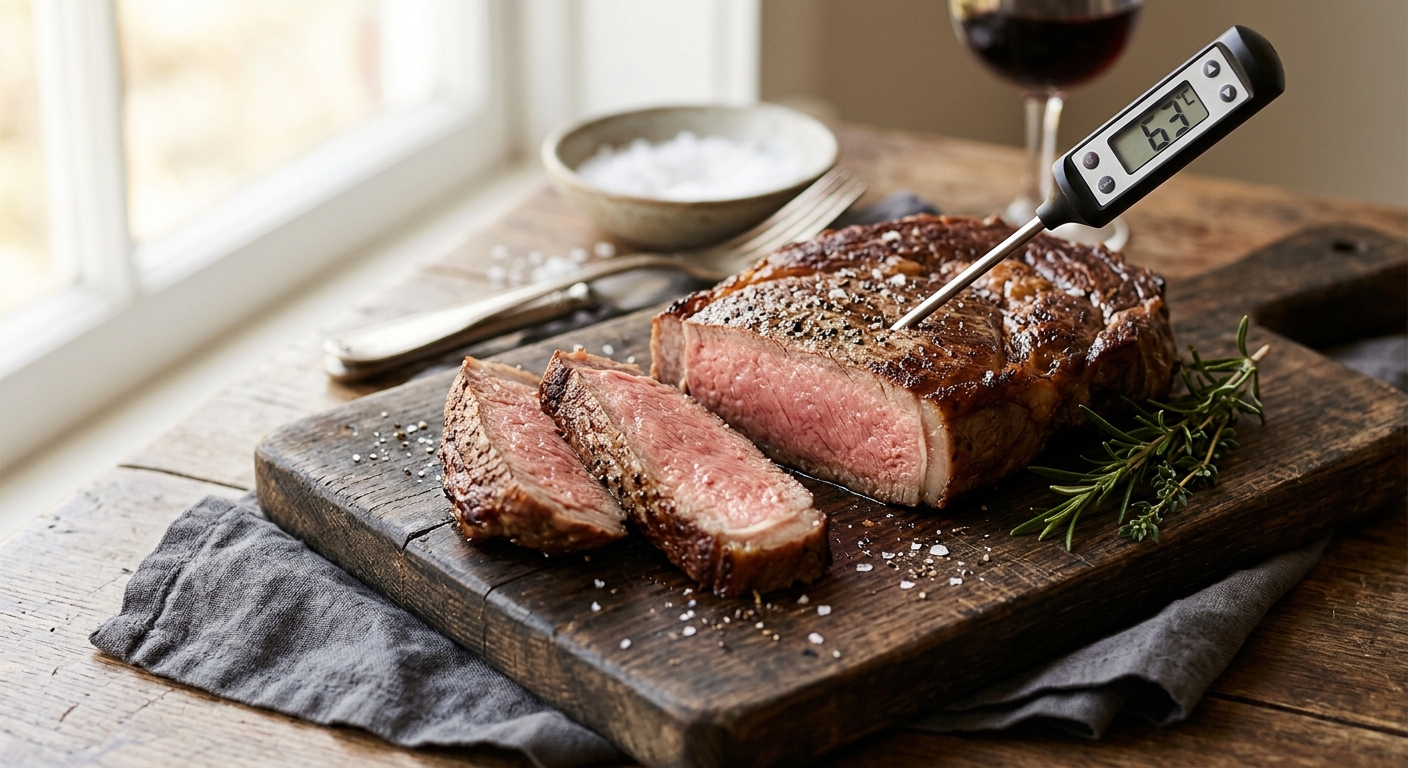
The middle ground between medium-rare and medium-well, for people who want their steak cooked through but still juicy. The centre should be pink throughout — not red, not grey. At 60 degrees, the proteins have set enough to lose the red colour, but enough moisture remains that the meat is still tender. A thermometer removes the guesswork.

The doneness that most chefs consider ideal for beef steak — the temperature at which the meat is still tender and juicy, the fat has begun to render, and the flavour is at its fullest. The centre should be warm, not cold. The colour should be red to pink, depending on thickness and cut. If you are unsure what to order for a steak and do not have strong feelings either way, medium rare is the safe choice.

Named after the Australian opera singer Dame Nellie Melba, like the peach Melba dessert, was created by the French chef Escoffier. The toast is made by toasting a slice of bread, carefully splitting it in half, and then toasting the soft, uncooked sides until they curl slightly and become completely crisp. The result is a wafer-thin cracker that shatters rather than bends.
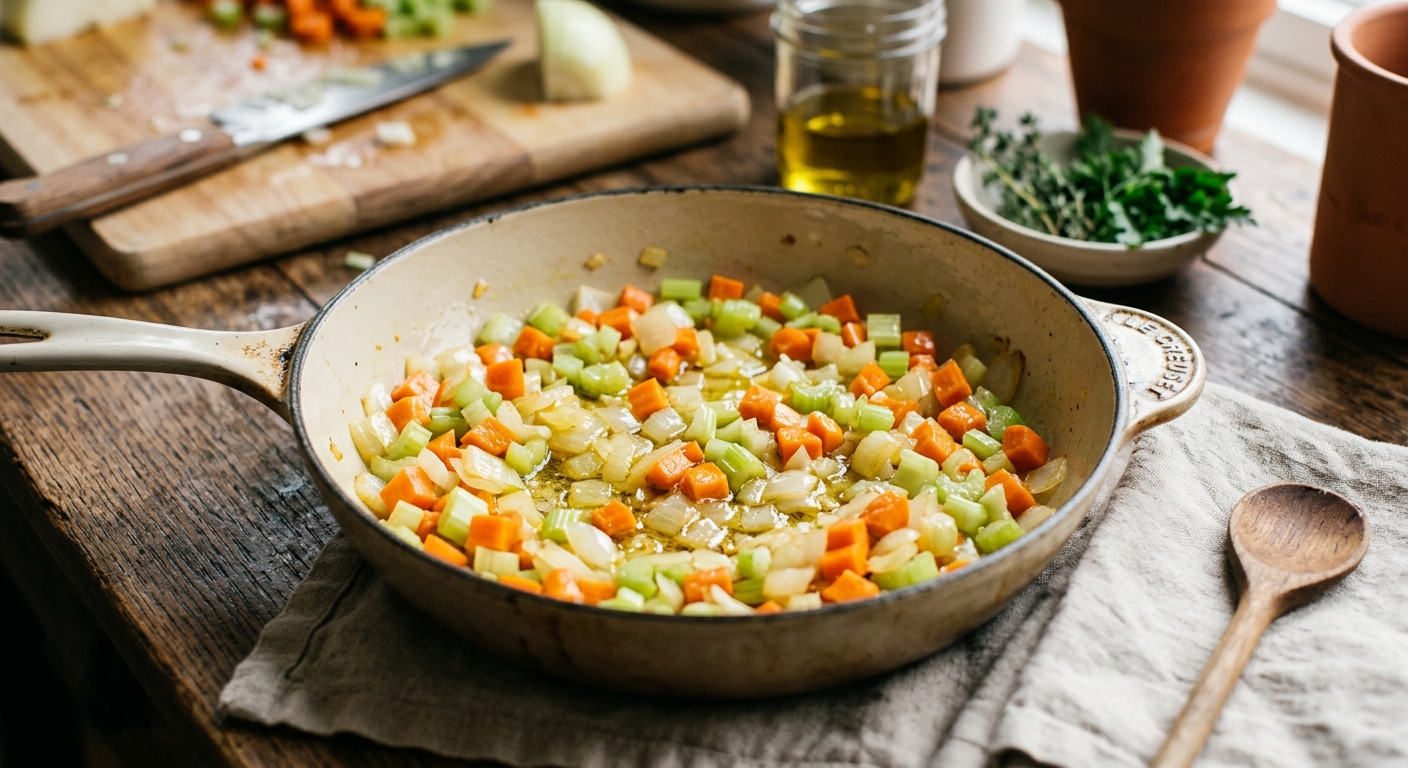
The holy trinity of French cooking — two parts onion to one part each of carrot and celery, cooked slowly until soft and sweet but not browned. You will not taste mirepoix distinctly in the finished dish; it dissolves into the background, making everything around it taste more complete. It is the first step in most French classical recipes and many others besides. A dish made with it and a dish made without it are noticeably different.
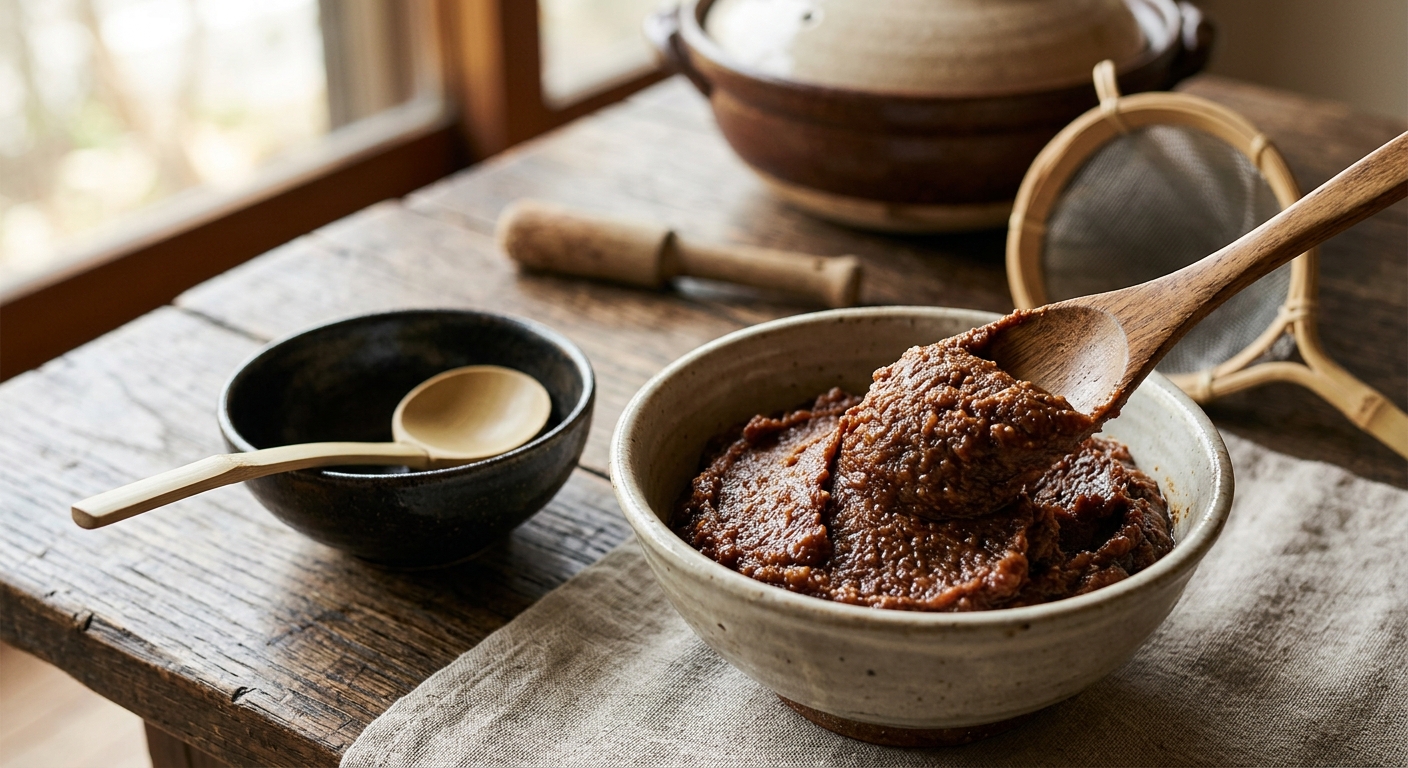
Miso soup is the most famous use, but miso turns up in all sorts of things now, including salad dressings, butter, caramel, and chocolate desserts. It adds what food people call umami — the savoury depth you can taste but struggle to name. White miso is mild and sweet. Red miso is stronger and more intense. Both are worth having in the fridge.

The highest compliment most ordinary people pay to food without realising it is a useful descriptive term. If you find yourself reaching for another one before you have finished the first, the food is moreish. Menus use it to tell you the food is addictive in a good way.
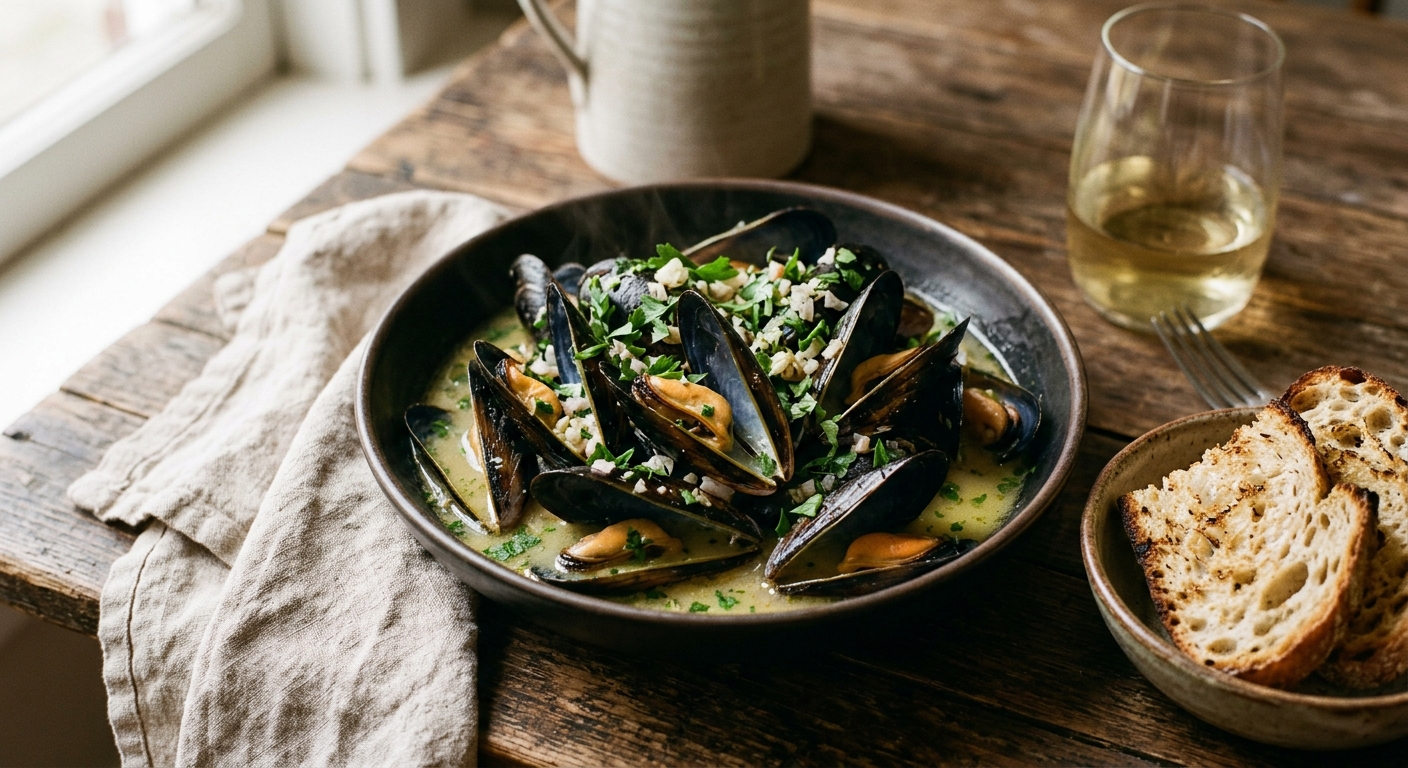
One of the best arguments for simple cooking. Mussels need about five minutes once the wine hits the pan. The liquid they release as they open combines with the wine and aromatics into something briny, fragrant, and deeply good — far more than the sum of its parts. Discard any that do not open. Eat the rest with good bread and use the bread to mop the bowl clean afterward. This is not optional.
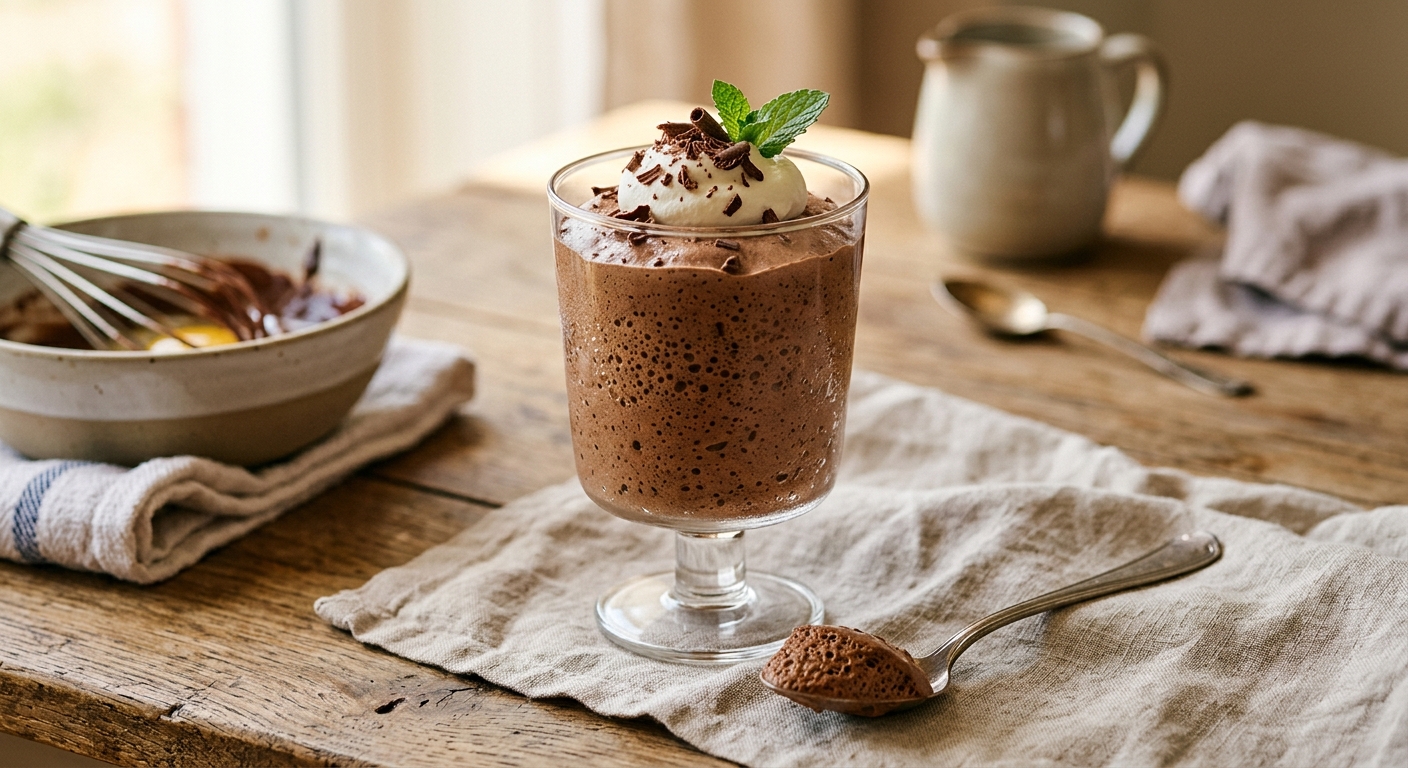
The word is French for foam, which describes exactly what a mousse should feel like. Chocolate mousse folds melted chocolate into whipped cream and beaten egg whites. Salmon mousse combines puréed fish with cream and sometimes gelatine. In both cases, the air incorporated during whipping is what gives the texture — light, yielding and completely different from a dense cream or a set custard. On a menu, mousse signals something airy and rich simultaneously, which is the particular pleasure of the thing.

It looks like a dark red paste, and it is hot. Really hot. It melts into pasta sauces, spreads on bread, and dissolves into pizza toppings, leaving behind a fierce, smoky, porky heat. If a menu mentions nduja and you do not like spice, take note. If you do like spice, order it.
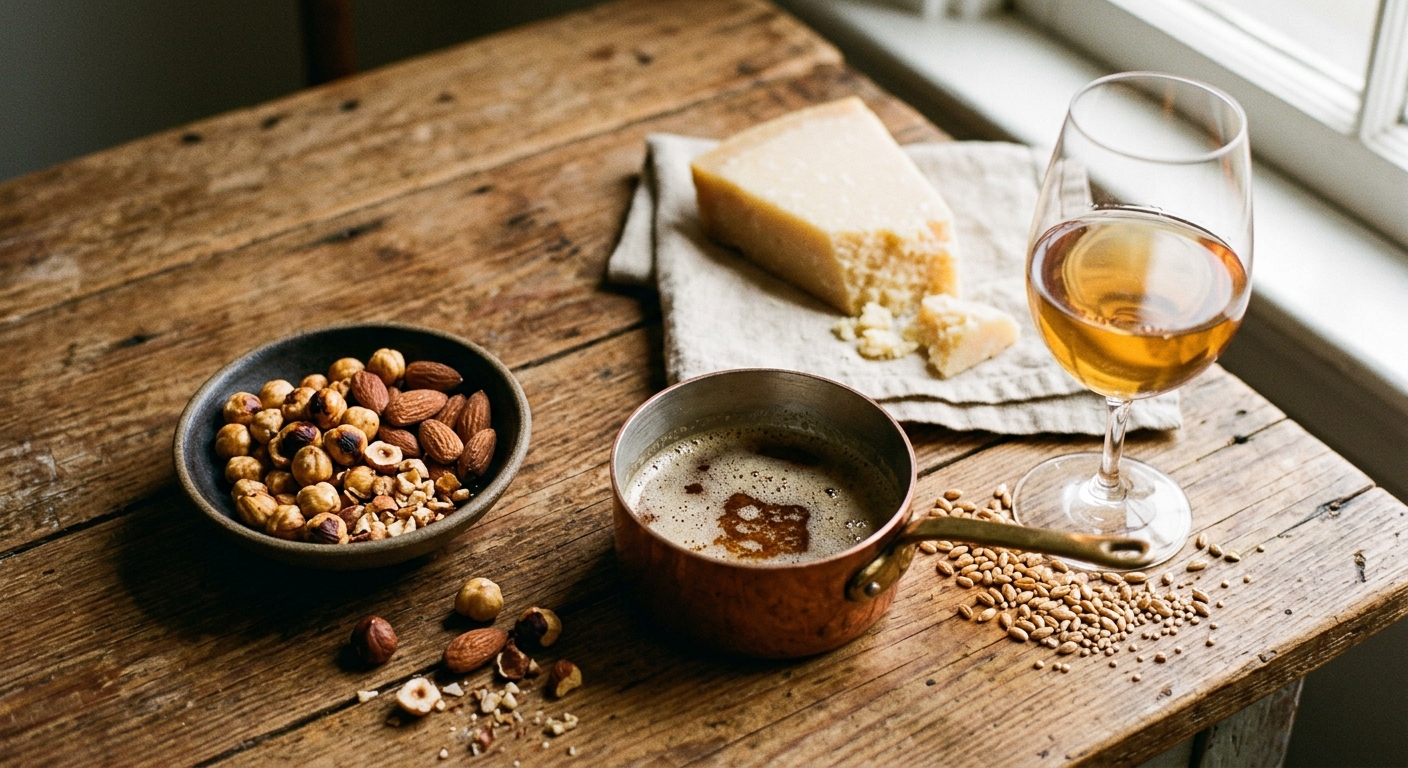
One of the most reliably appealing flavour descriptors on a menu because most people enjoy the warm, roasted depth that nutty implies. Brown butter is nutty. Aged Parmesan is nutty. Toasted sesame oil is intensely nutty. A well-made sourdough crust has a nutty quality. Hazelnuts, walnuts, almonds and pecans are obviously nutty — but the descriptor goes beyond actual nuts to anything that develops that warm, toasted depth through heat or ageing. On a menu, it means the flavour is rich and rounded rather than sharp or green.

The name comes from the Provençal word for capers — tapeno — which tells you something about how important they are to the flavour. Tapenade is intensely savoury, slightly salty and deeply olive-forward. A small amount goes a long way. Spread on toasted bread, it is a starter. Stirred through pasta, it is a sauce. Spooned alongside lamb, it is a condiment.
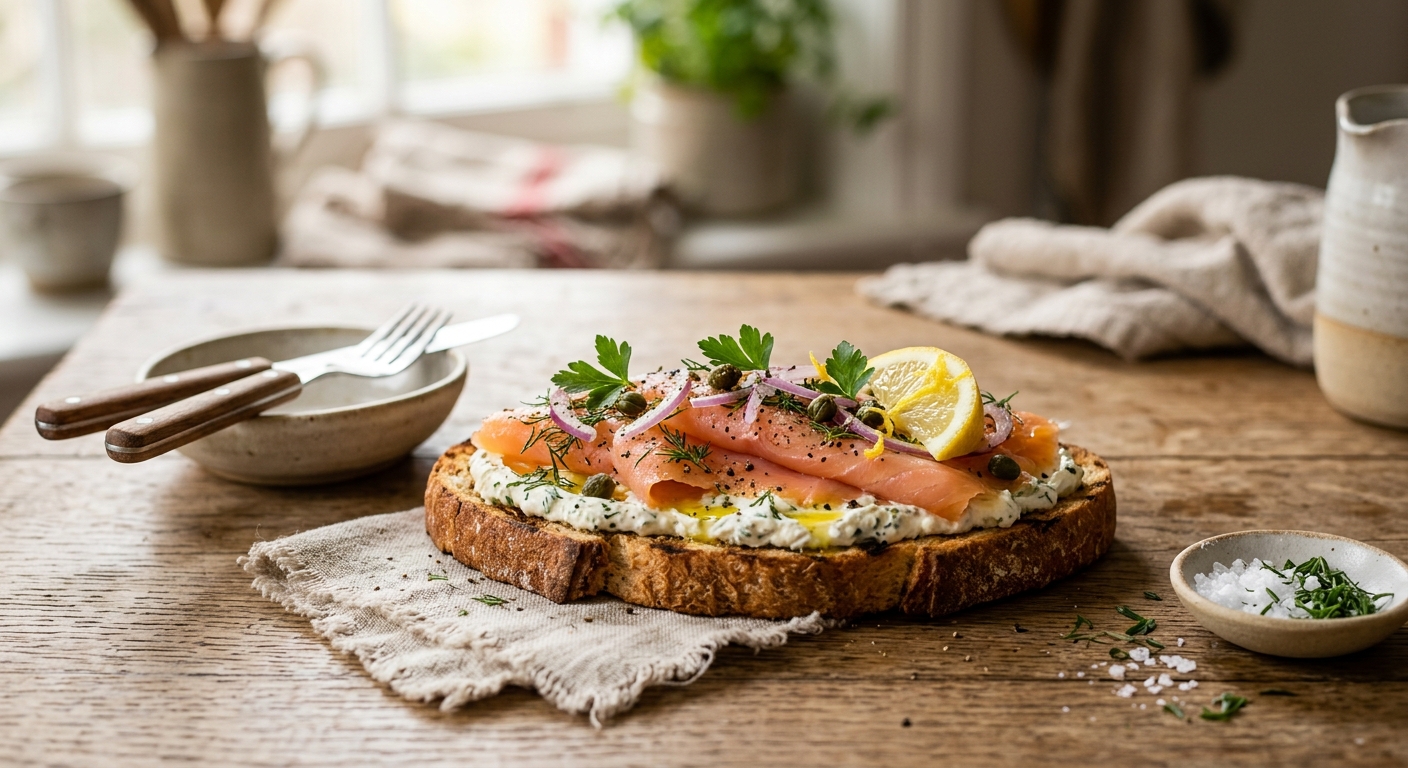
A Scandinavian smørrebrød is an open-faced sandwich. A tart with filling but no pastry lid is open-faced. The distinction matters because it changes how you eat it — a fork and knife rather than your hands — and what you taste, since without a top layer the filling is unobstructed and the bread or pastry is a platform rather than a container.

The pan it is cooked in is also called a paella, which is where the dish gets its name. The rice absorbs the stock and saffron as it cooks, turning golden and taking on the flavour of whatever is cooked alongside it. The socarrat — the crisp, slightly caught layer of rice on the bottom of the pan — is considered the best part and is fiercely contested at the table. Authentic paella Valenciana contains rabbit and chicken, not seafood.

The breadcrumb that changed how many restaurants coat their food. Panko flakes are larger and drier than ordinary breadcrumbs, which means they absorb less oil during frying and stay crispier for longer. A chicken schnitzel coated in panko stays crunchy in a way that fine breadcrumbs do not. Now widely available in supermarkets and worth keeping in the cupboard.

Italian for cooked cream, though it is barely cooked — just warm enough to dissolve the gelatine and sugar before being poured into moulds and chilled. The result should be barely set, trembling when you move the plate, yielding completely when you put a spoon through it. If it bounces, there is too much gelatine. If it does not hold its shape when unmoulded, there is too little. The flavour should be pure cream with vanilla.

Two different things share the name depending on context. A parfait, in the French culinary sense, is a frozen dessert made from a cooked egg and sugar base, beaten with whipped cream, lighter than ice cream and silkier. In American usage, a parfait is the layered thing in a tall glass — yoghurt, granola, fruit, cream in alternating layers.

The ingredient most home cooks pour down the drain without thinking. Pasta releases starch into the cooking water as it boils, turning it milky and thick. A ladleful of this liquid added to a sauce as the pasta finishes cooking acts as a binder — the starch helps the sauce emulsify and coat every strand rather than pooling at the bottom of the bowl. It also loosens a sauce that has become too thick without diluting the flavour. Save a mugful before draining.
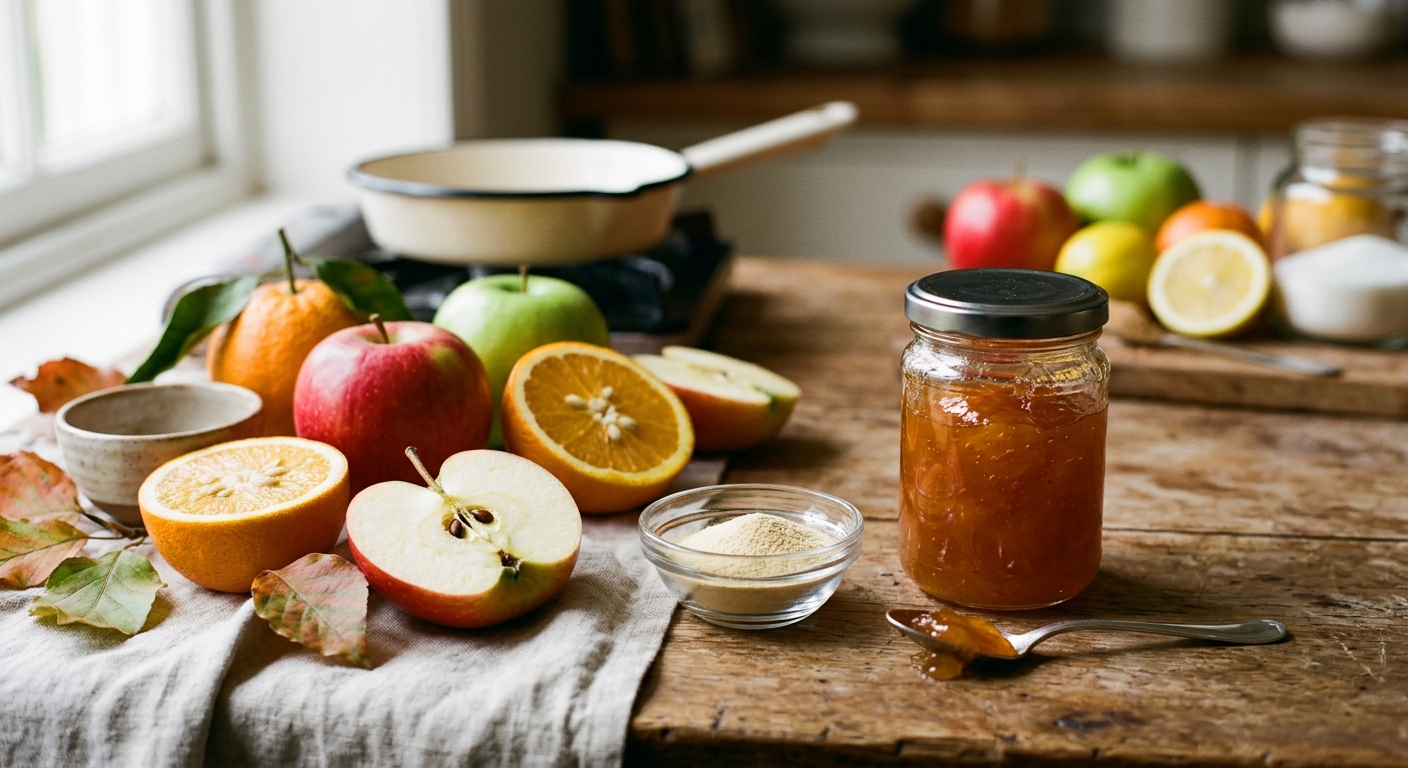
The invisible ingredient that makes jam set. High-pectin fruits — apples, blackcurrants, gooseberries, citrus peel — set easily without any help. Low-pectin fruits — strawberries, cherries, pears — need either a long cooking time, added lemon juice, or commercial pectin to achieve a proper set. This is why strawberry jam is notoriously difficult, and blackcurrant jam is forgiving.

The technique that elevates rice from a plain side dish to something worth eating on its own. The initial frying in butter or oil coats each grain and prevents sticking. The stock — exactly the right amount — is fully absorbed, so the rice is perfectly cooked with no need to drain. Aromatics and spices can be added at any stage. The result is fluffy, separate, flavourful rice rather than a clumping mass.

The tool that makes the difference between home baking that looks homemade and home baking that looks considered. Reusable fabric bags need to be washed between uses and kept well. Disposable plastic bags are convenient and hygienic. Either way, the principle is the same — fill it, twist it shut, and squeeze steadily from the top while guiding the tip where you want it to go. The nozzle is what determines the shape.
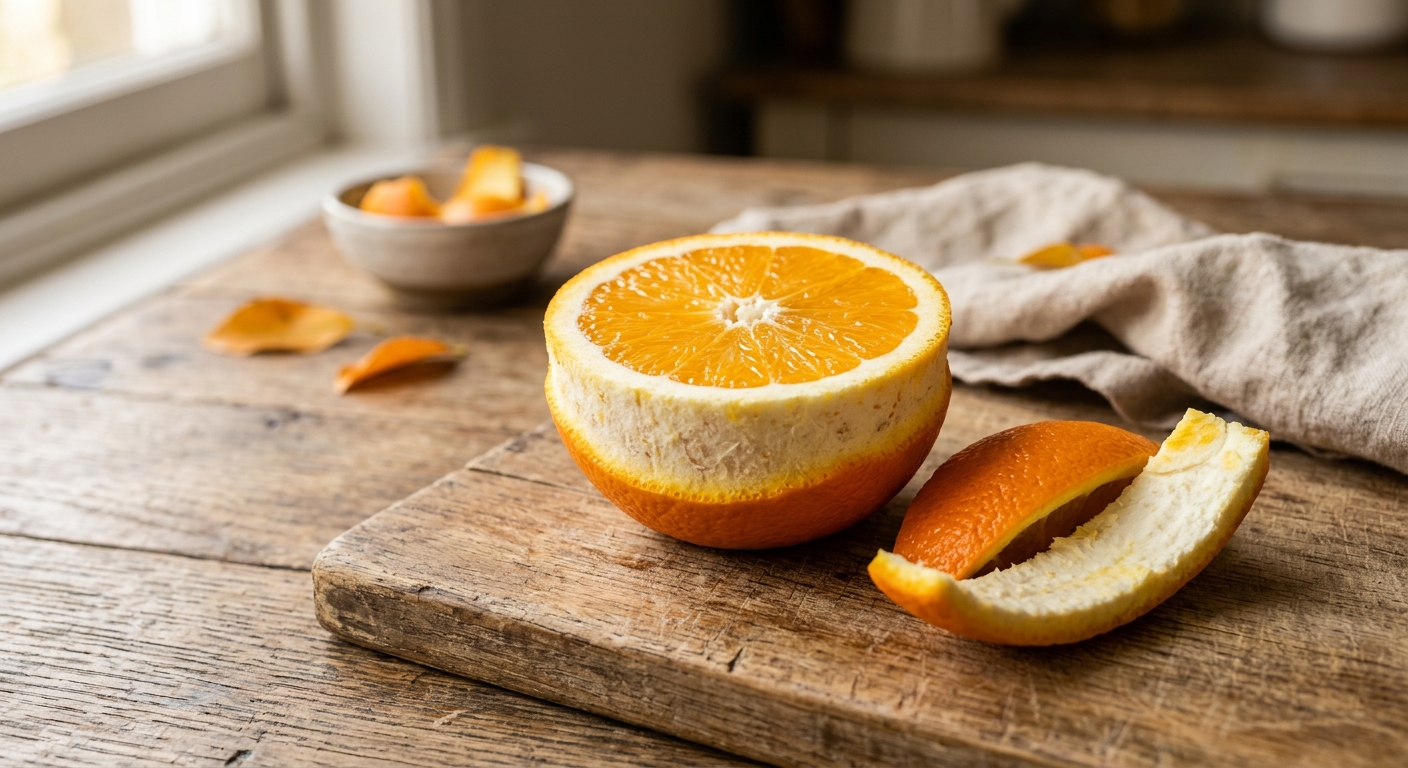
The part of a lemon or orange you are trying to avoid when you zest it. The zest — the coloured outer skin — contains the fragrant oils that give citrus its flavour. The pith contains bitter compounds that add nothing pleasant. A fine grater or microplane zests down to the colour without going further. A heavier hand or a peeler takes the pith with the zest. If your citrus zest tastes bitter rather than fragrant, you went too deep.

The best thing to order in a French bistro. It is usually what the chef felt like making that morning, with whatever looked good at the market. It tends to be fresher, better value, and more honestly cooked than the dishes that sit on the menu permanently. If the waiter mentions it before you have even looked at the menu, that is a sign the kitchen is proud of it.

Cornmeal cooked slowly in water, stock, or milk until it thickens into a creamy, comforting sauce. Soft polenta is rich in butter and parmesan and serves as an alternative to mashed potatoes or pasta — particularly good under braised meat with a rich sauce. Set polenta — poured into a tray, chilled until firm, then sliced and grilled or fried — develops a crisp exterior and a soft centre. It requires patience and constant stirring during cooking. Instant polenta cuts the time dramatically.

Technically, a braise — the meat goes in the oven or on the stovetop with liquid and a lid, low and slow, until it is yielding and deeply flavoured. The distinction from a conventional roast is that liquid is involved, and the pot is covered. This makes it ideal for tougher, cheaper cuts — brisket, chuck, blade — that would be unpleasant roasted quickly but become extraordinarily good given three to four hours of gentle heat. The liquid in the pot becomes the sauce. Everything happens in one vessel.

The word velouté means velvety in French, and that is exactly the promise — a soup so smooth it has no graininess, no lumps, and no thin, watery quality. It gets its body from being built on a base of butter and flour cooked together; stock is then added gradually, and the whole thing is blended and finished with cream. Think of it as a soup that has been taken seriously. Mushroom velouté, asparagus velouté, chicken velouté — all follow the same method. What changes is the main ingredient. What stays the same is that silky, coating, deeply satisfying texture that makes you want another bowl before you finish the first.

Less well-known than roasting or braising, but more refined than either for certain cuts. The meat sits on a bed of aromatic vegetables in a covered pot with butter and is cooked in the oven, basting regularly in its own juices. The lid traps moisture, and the butter adds richness. The result is something between a roast and a braise — moist and flavourful without the falling-apart tenderness of a long braise.
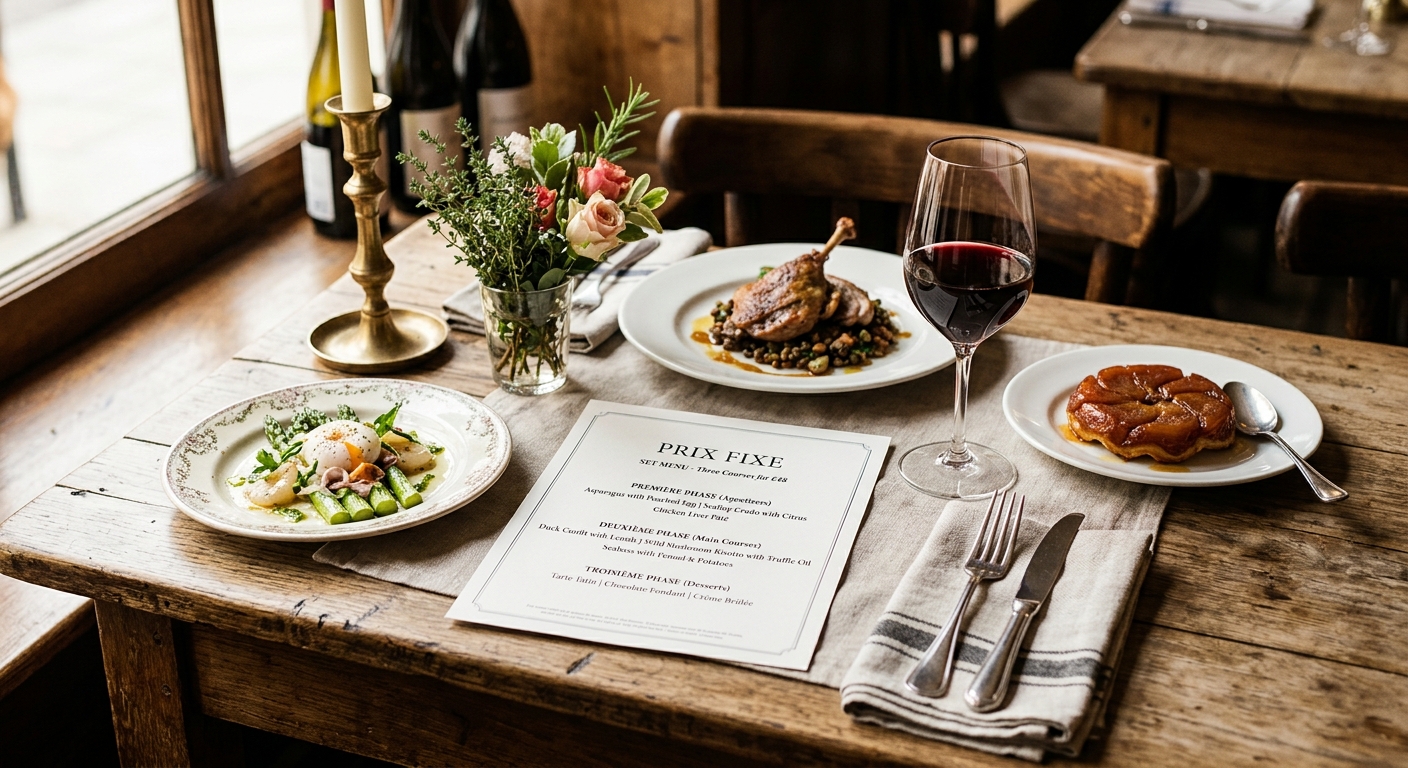
You pay one price and choose from a set selection of starters, mains, and desserts. It is usually a better value than ordering à la carte and gives the kitchen more control over what they are preparing. The phrase is French for fixed price.

Yeast works best at around 25 to 30 degrees — warm but not hot. A proofing drawer or setting maintains exactly this temperature, which means dough rises predictably rather than relying on your kitchen's warmth. At home without a proofing setting, a bowl of dough covered in a damp cloth in a slightly warm oven, near a radiator, or in the airing cupboard all work adequately. The goal is consistent warmth without overheating. Too hot and the yeast dies.
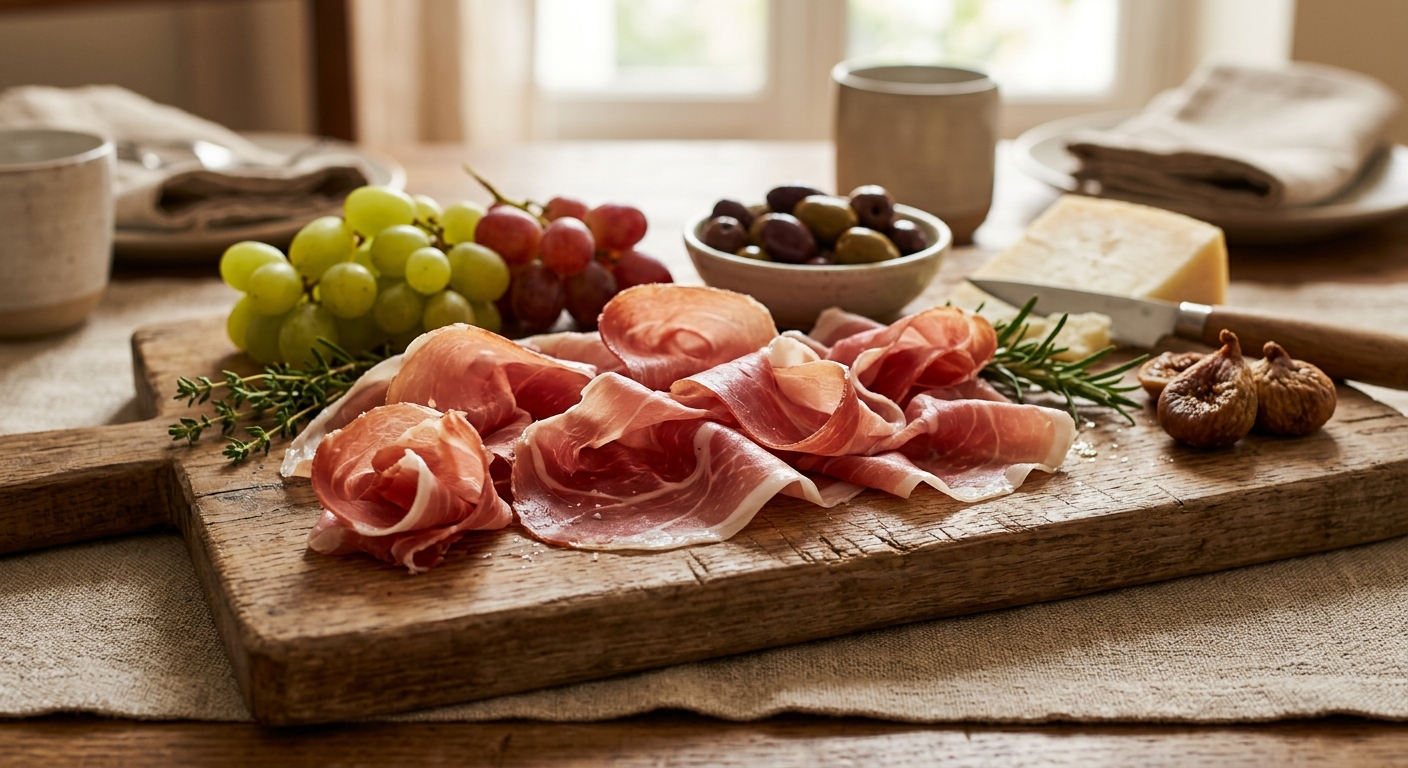
Prosciutto di Parma and prosciutto di San Daniele are the most famous varieties. The pigs are fed a specific diet, the legs are salted and pressed, then hung to cure in cool air for months or years. The result is silky, deeply savoury, slightly sweet and complex in a way that no quickly made product can replicate.

The most labour-intensive pastry to make from scratch and one of the most spectacular results. Butter is folded into dough through a series of turns — the process of laminating — producing layer upon layer of dough and fat that steam separates during baking into distinct, flaky sheets. Good shop-bought puff pastry made with butter is nearly as good as homemade and takes about 30 seconds to thaw. All-butter puff is worth finding.

About the size of a large fist and considerably more flavourful than chicken. The flesh is darker and slightly gamey — not aggressively so, but noticeably more interesting than a mild chicken breast. Quail eggs are speckled, tiny, and appear on menus as garnishes, in salads, or as canapé bases. A single quail makes a very elegant starter. Two make a main course. They cook fast — ten to fifteen minutes in a hot oven — because there is very little of them.

The shape that separates a home dessert from a restaurant dessert. Two spoons, both warm, and a practised motion of passing the soft mixture from one to the other while rotating slightly — the result is a smooth, three-sided oval that holds its shape on the plate. It takes practice. The first few attempts look like a sad blob. By the tenth attempt, it starts to look intentional. By the twentieth, it looks effortless.

Not all ragùs are bolognese, but all bologneses are ragùs. The word refers to any slow-cooked Italian sauce in which meat is the main ingredient. It might be minced, chunked, shredded, or left on the bone. The liquid might be wine, stock, tomato, or a combination. The cooking time is always measured in hours rather than minutes.
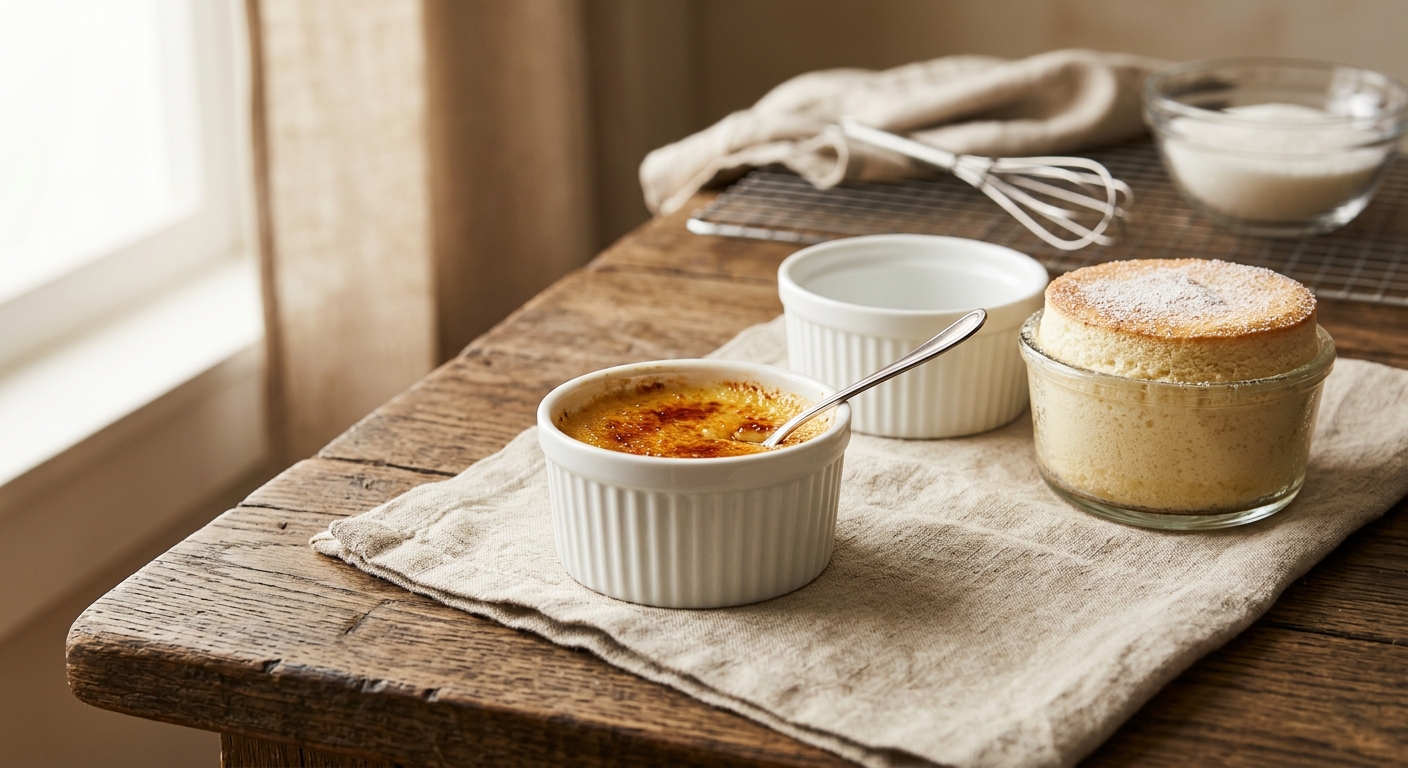
The small round dish that arrives at the table, containing the thing itself rather than just serving it. Crème brûlée is cooked and served in a ramekin. A soufflé rises in a ramekin and must be eaten immediately in the same vessel before it collapses. Baked eggs go into a buttered ramekin with cream and come out just set. They are inexpensive, stack neatly, and serve a specific purpose that no other dish does quite as well.

The choice of people who want to taste the beef rather than just the cooking. Rarely, the proteins in the centre have barely begun to set — the meat is yielding, deeply flavoured and noticeably juicy. The outside has been seared at high heat and has colour, crust, and the flavour that browning creates. Rare is a safe, valid choice for high-quality beef cuts. It is not appropriate for minced meat, poultry, or pork. A thermometer confirms it reliably.

A dish that became famous outside France, partly because of an animated film, and partly because it is genuinely very good when made properly. The vegetables should be cooked separately before being combined — this prevents everything turning to mush and allows each vegetable to develop its own flavour first. Cooked together from the start produces a serviceable stew. Cooked separately, combined, and finished slowly together produces something layered and considerably more interesting.

Slightly less processed than white sugar and retaining some of the molasses that refining removes, which gives it a warm, caramel-adjacent flavour and a golden colour. Demerara — the coarser variety — dissolves more slowly and adds crunch when sprinkled on top of baked goods before cooking. Raw caster sugar is finer and used where white caster sugar would be, but you want a slightly more complex sweetness. Neither is dramatically different from white sugar in most recipes.

The visual test that tells you the egg yolks and sugar are properly incorporated and aerated — a crucial stage in génoise, sabayon and various other preparations. Lift the whisk and let the mixture fall back into the bowl. If it falls in a thick ribbon and holds on the surface for a few seconds before dissolving back in, it is ready. If it falls in a thin stream immediately, it needs more whisking. This stage provides both volume and stability to the finished dish.

Sold in hard, brittle rounds that soften when dipped briefly in warm water and become flexible and slightly sticky. Use them immediately — they become too soft and tear if left in water. Fill them with prawns, rice vermicelli, herbs, vegetables, and anything else fresh, then roll tightly and eat with a dipping sauce. They require a small amount of practice to handle without tearing. They require no cooking.

Considerably milder and less sharp than Western wine vinegars, with a clean, faintly sweet acidity that seasons without dominating. Japanese rice vinegar is the mildest. Chinese rice vinegar comes in white, red, and black varieties, each with distinct characteristics — black rice vinegar has a deep, complex, slightly smoky quality unlike anything else. Sushi rice is seasoned with Japanese rice vinegar, sugar, and salt. Without it, the rice is just rice.
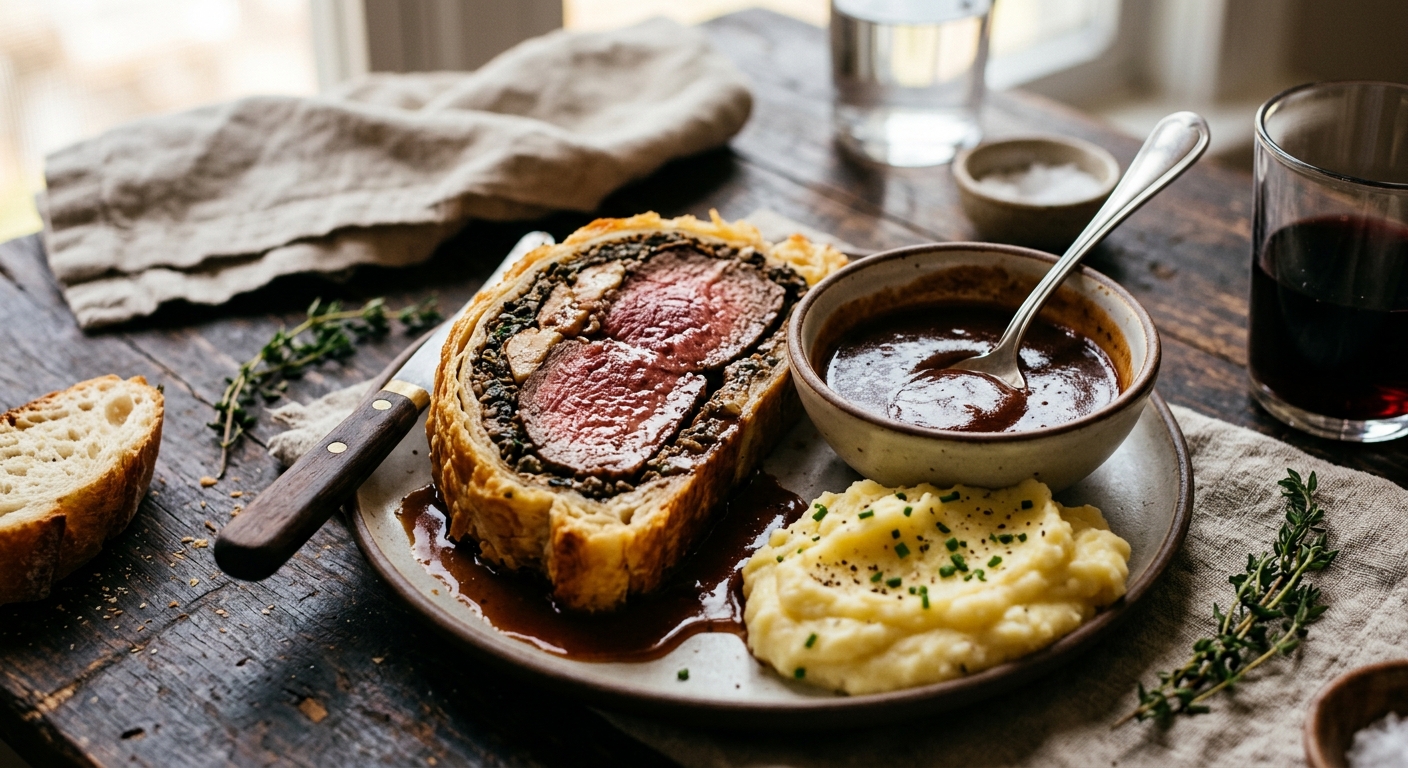
Rich is a warning as much as a compliment. A rich sauce has depth and body. A rich dessert is deeply satisfying in small amounts. A rich main course means you will not need much of it, and you may need to decline dessert. On a menu, rich tells you something genuinely useful — the dish is substantial and flavourful and will coat your mouth and stay with you.

Essentially a rustic, spreadable cousin of confit and pâté. The meat cooks in its own fat for several hours until it falls apart, then it is shredded into strands and mixed back into the fat, which sets around it as it cools. The result is rich, porky, and intensely flavoured — spread thickly on crusty bread with cornichons alongside. It is neither as smooth as pâté nor as chunky as a terrine.
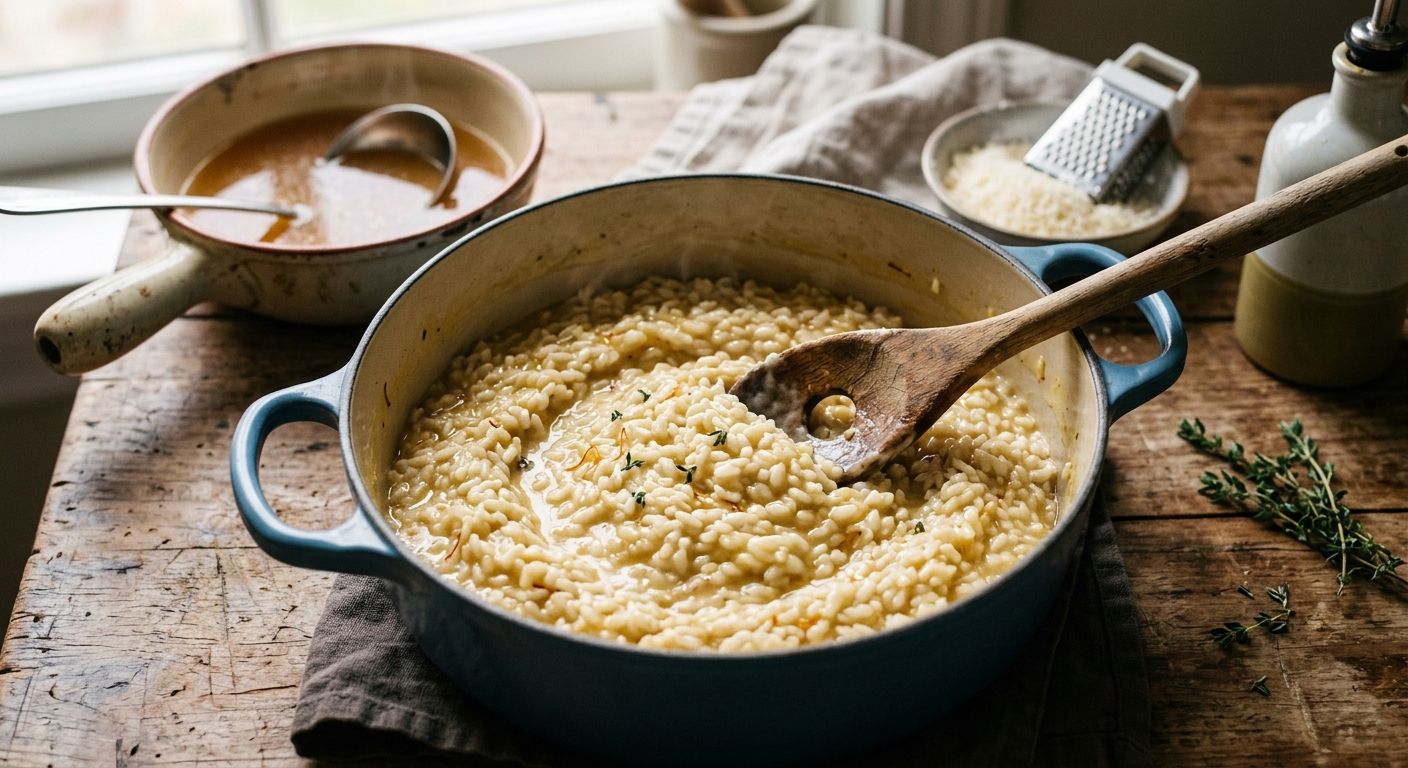
The rice dish that demands your complete attention for twenty minutes and rewards it generously. Arborio or Carnaroli rice releases starch as it cooks, and constant stirring with gradually added stock coaxes that starch out into a creamy, coating sauce that is the whole point. Rushing it — adding all the stock at once — produces something edible but not risotto. A final addition of butter and parmesan off the heat — the mantecatura — is what gives it its final gloss and richness. Then eat it immediately.
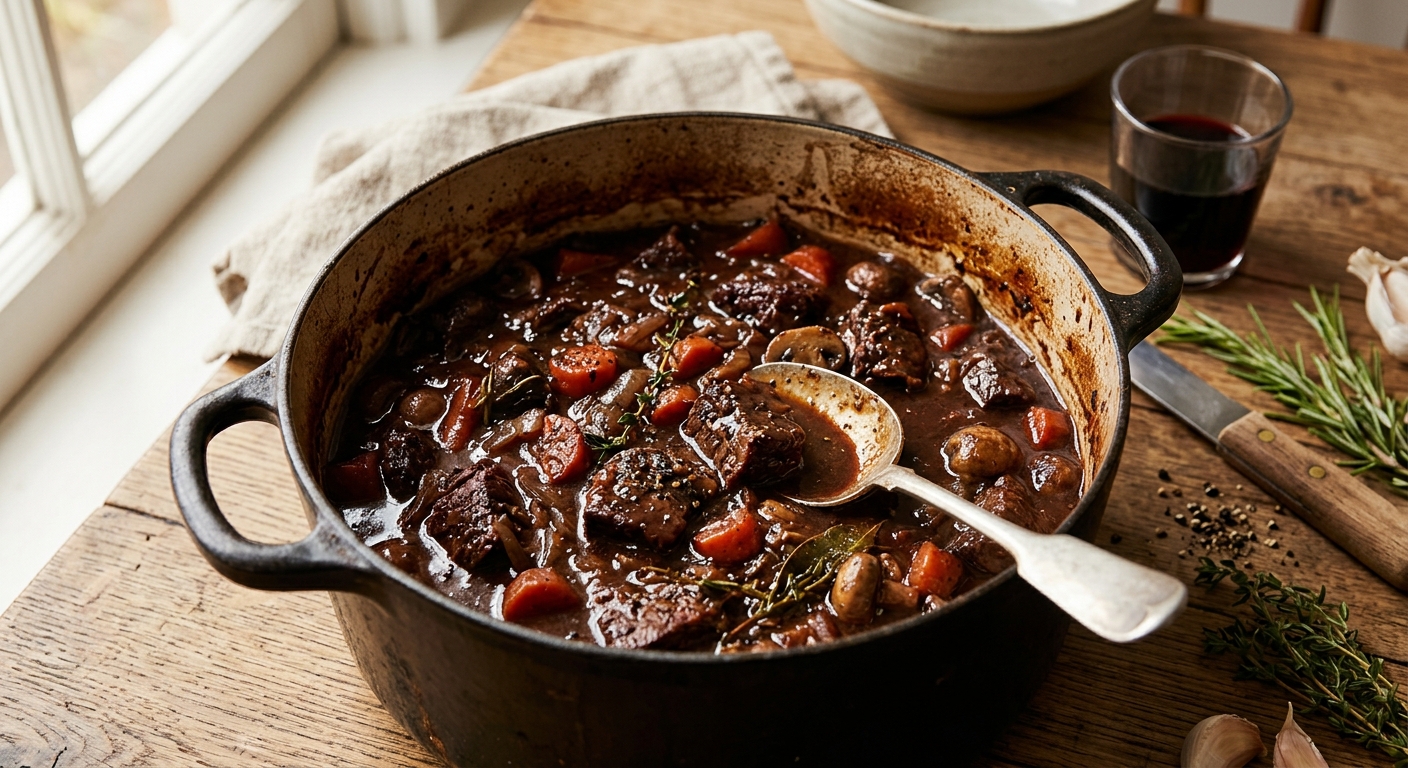
When a menu says robust, it means the flavour is bold and hearty. Think slow-cooked meat sauces, aged cheeses, and full-bodied red wine. The opposite of delicate. Menus use it to tell you this is not a light dish, which is genuinely useful information if you pay attention to it. A robust wine paired with a delicate fish is a mismatch.

German comfort food at its most satisfying. Thin slices of beef — traditionally topside or silverside — are spread with strong mustard, topped with bacon, onion, and sometimes a gherkin, then rolled tightly and secured with string or toothpicks. Browned in fat and braised slowly in stock and wine, the rolls become tender, and the braising liquid reduces to a deeply savoury sauce.
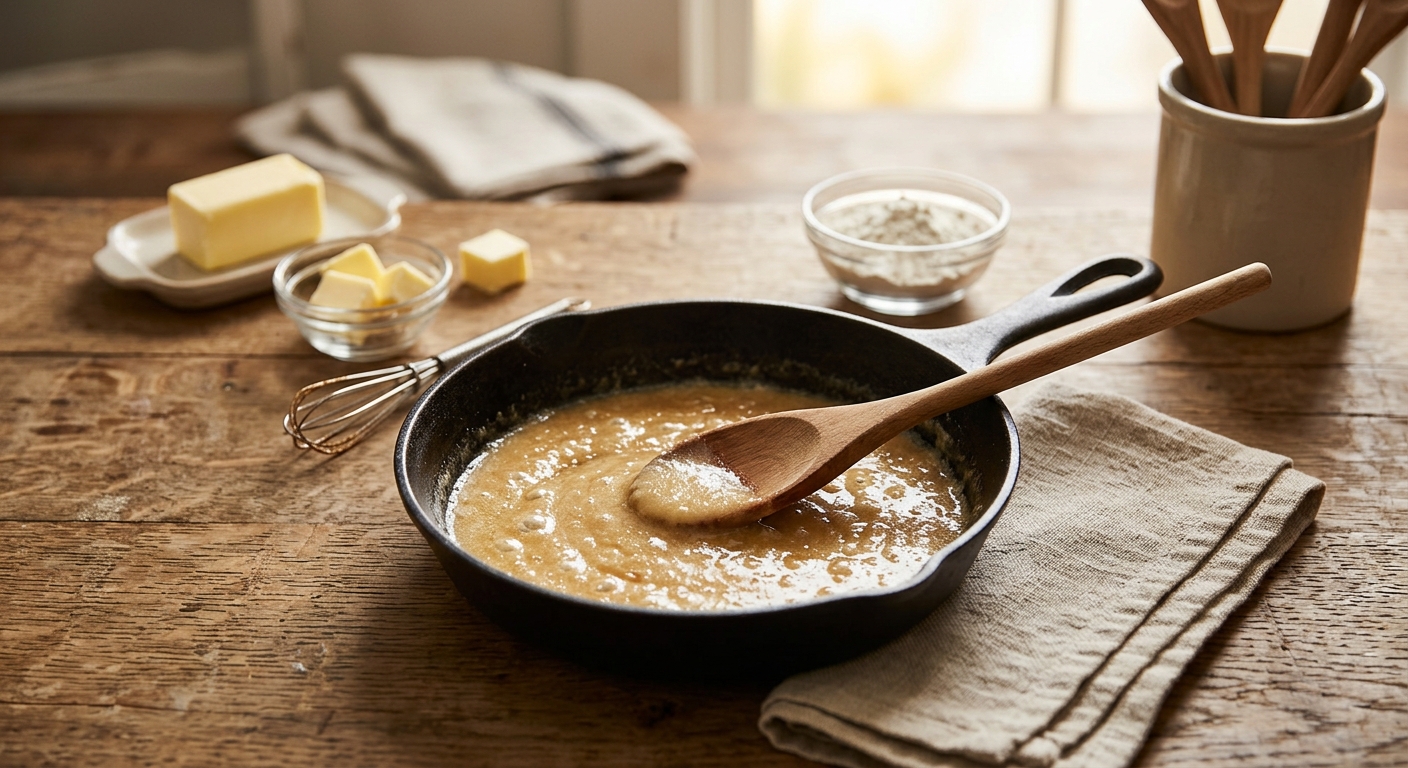
The thickening agent at the heart of classical French sauce-making. Butter melts in the pan, then flour goes in and is stirred constantly over heat for a minute or two — this cooks out the raw-flour taste that ruins sauces when you skip it. Then liquid is added gradually while stirring. The starch in the flour absorbs the liquid, and the sauce thickens. White roux uses minimal cooking. Blond roux is cooked a little longer until pale gold. Brown or dark roux is cooked considerably longer, until nut-brown, and is used in gumbos and Cajun cooking.
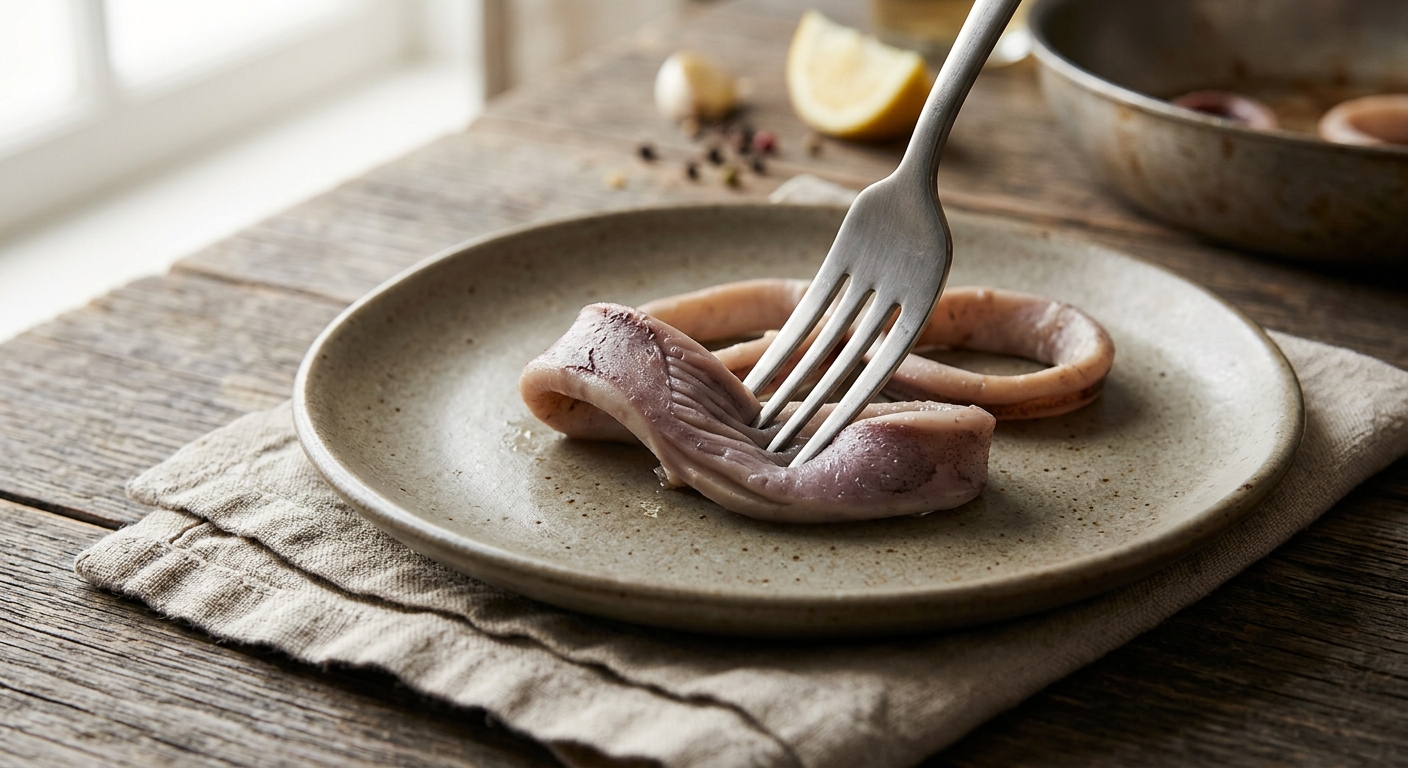
The texture nobody wants and several cooking mistakes are produced. Overcooked squid is rubbery. Overcooked prawns are rubbery. Scrambled eggs left on the heat too long become rubbery. Chicken breast cooked past its temperature is rubbery. The proteins have contracted and bonded too tightly, squeezing out moisture and producing resistance rather than tenderness. It is almost always caused by too much heat for too long. The cure is not more cooking.
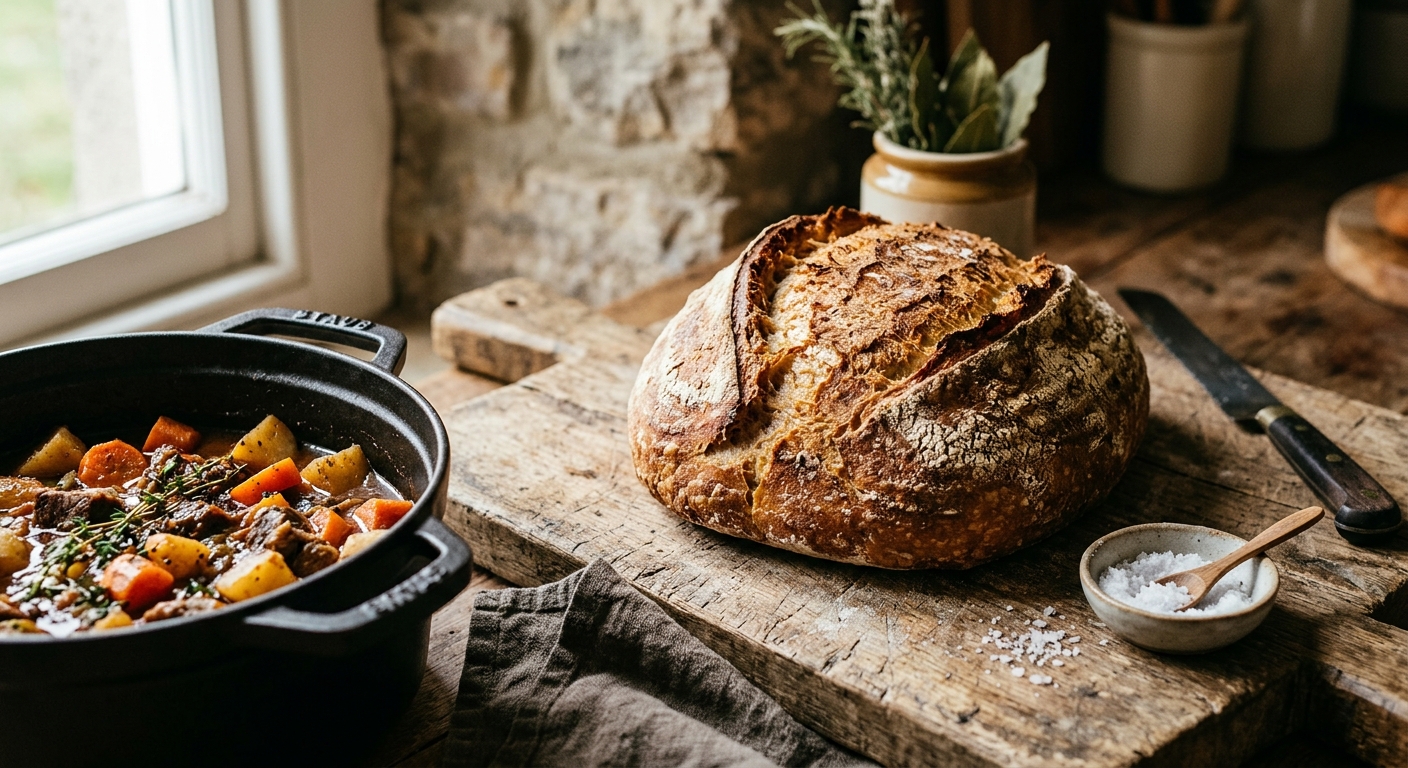
Rustic is what menus say instead of uneven or not particularly pretty. It implies the food was made the old-fashioned way with honest ingredients and no fussiness about presentation. Sometimes this is genuinely true, and the food is wonderful. Sometimes, rustic is doing a lot of work to explain why your tart looks like it lost a fight.
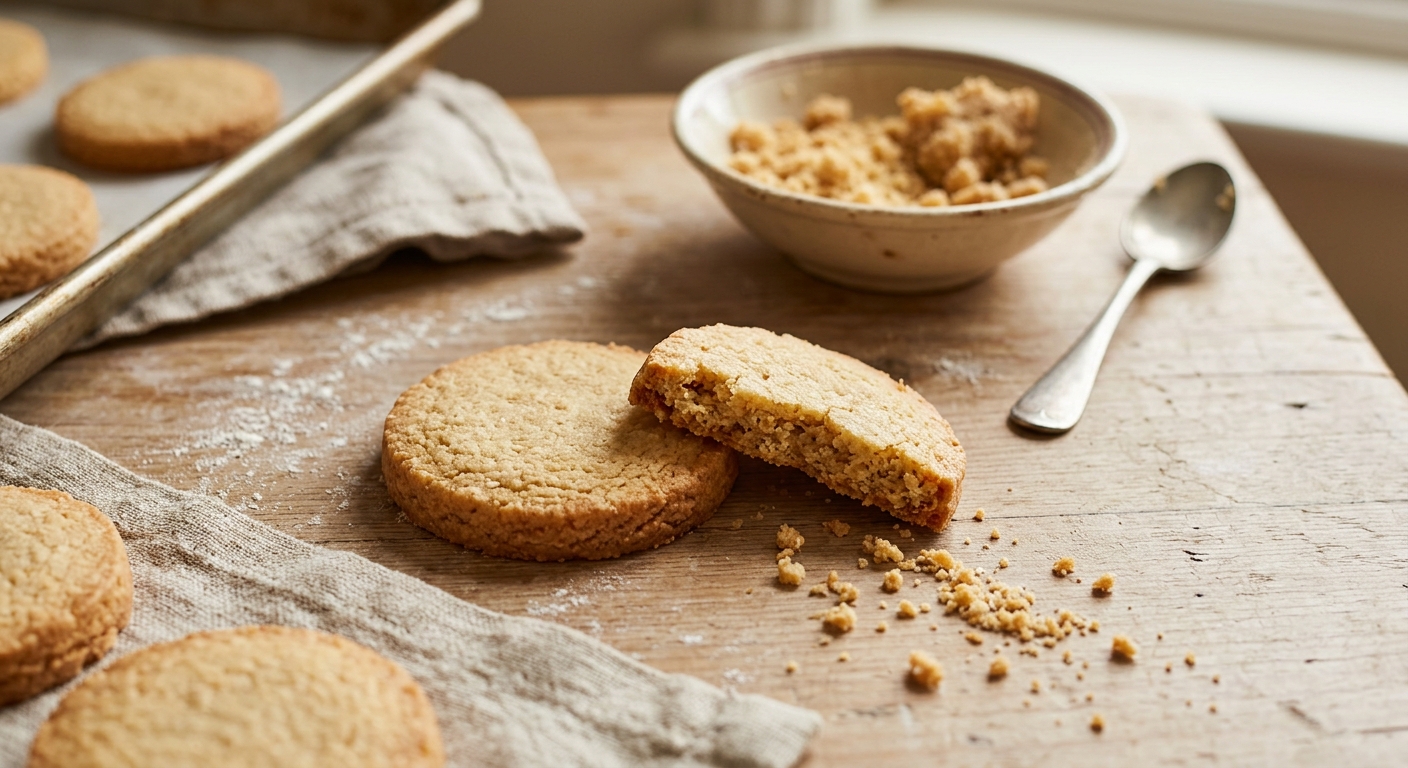
Made with more butter and less liquid than a standard shortbread, which is why it collapses so pleasantly when you bite into it. The texture is the point — fine, short, and delicate in a way that plain biscuits are not. Used as a base for patisserie tarts, served alongside ice cream or desserts, or eaten on their own. The technique is straightforward; the result tastes considerably more impressive than the effort involved.

The same idea as a bouquet garni, but in a different form. Where a bouquet garni bundles fresh herbs together with string, a sachet d'épices holds loose spices — peppercorns, cloves, bay leaf, thyme — inside a small muslin or cheesecloth bag tied shut. The point is flavour without debris. Everything goes in, nothing stays behind. You can make one with a square of muslin and kitchen twine, or use a large tea strainer as a substitute.
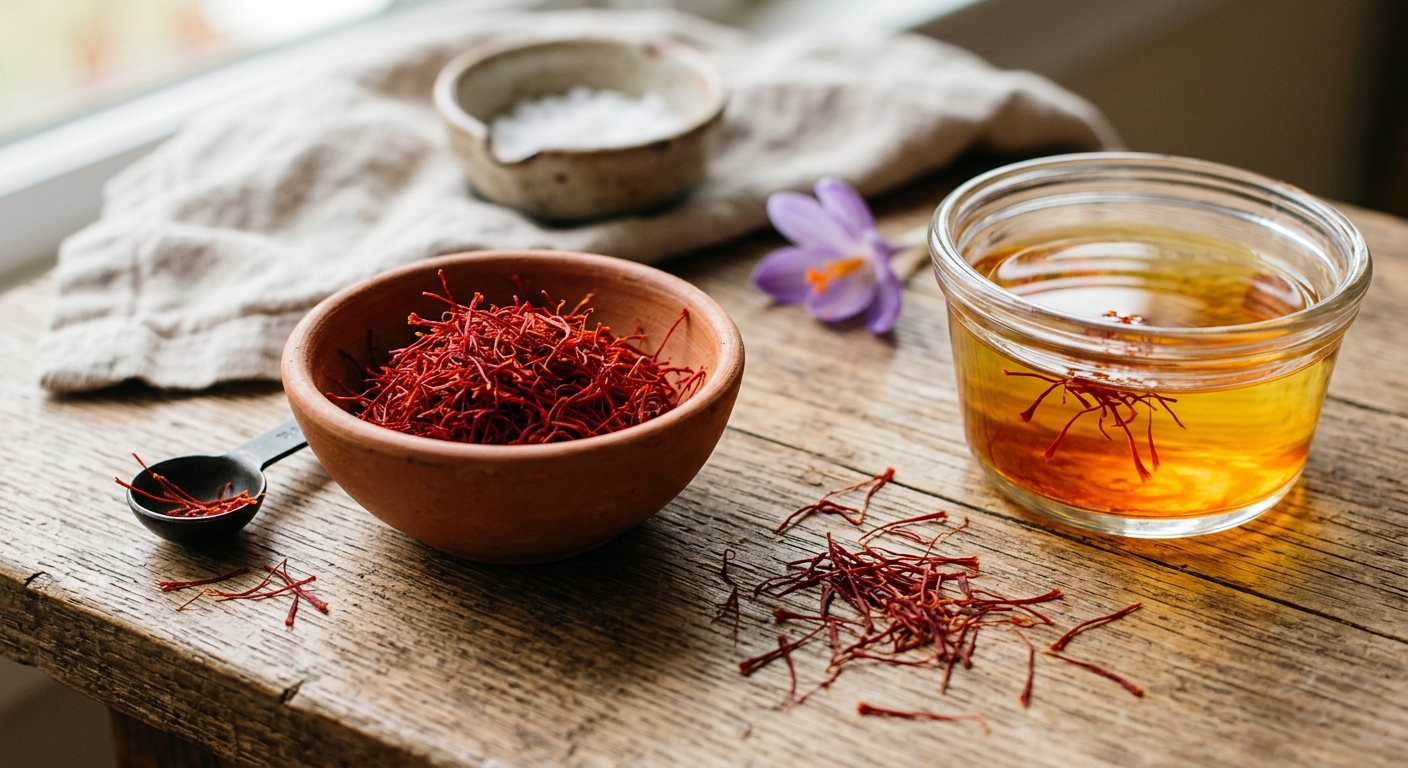
The flavour is floral, slightly honeyed and faintly medicinal — unmistakable once you know it. A little goes a long way; too much turns bitter. It appears in paella, risotto Milanese, bouillabaisse, and Persian rice dishes — anywhere that both colour and a distinctive fragrance are wanted. Always bloom it first: steep the threads in a small amount of warm water or stock for a few minutes before adding to the dish. This releases the colour and flavour far more effectively than adding it dry. The price reflects the labour — each crocus produces three stigmas, all picked by hand.

The absence of rice is what separates sashimi from sushi — this is the fish alone, which means the quality of the fish is everything. Typically served with soy sauce, wasabi and pickled ginger. The slicing is deliberate — different fish are cut differently to suit their texture and grain. Tuna, salmon, kingfish and scallop are common. If you are ordering sashimi, you are ordering the fish itself with nowhere to hide.
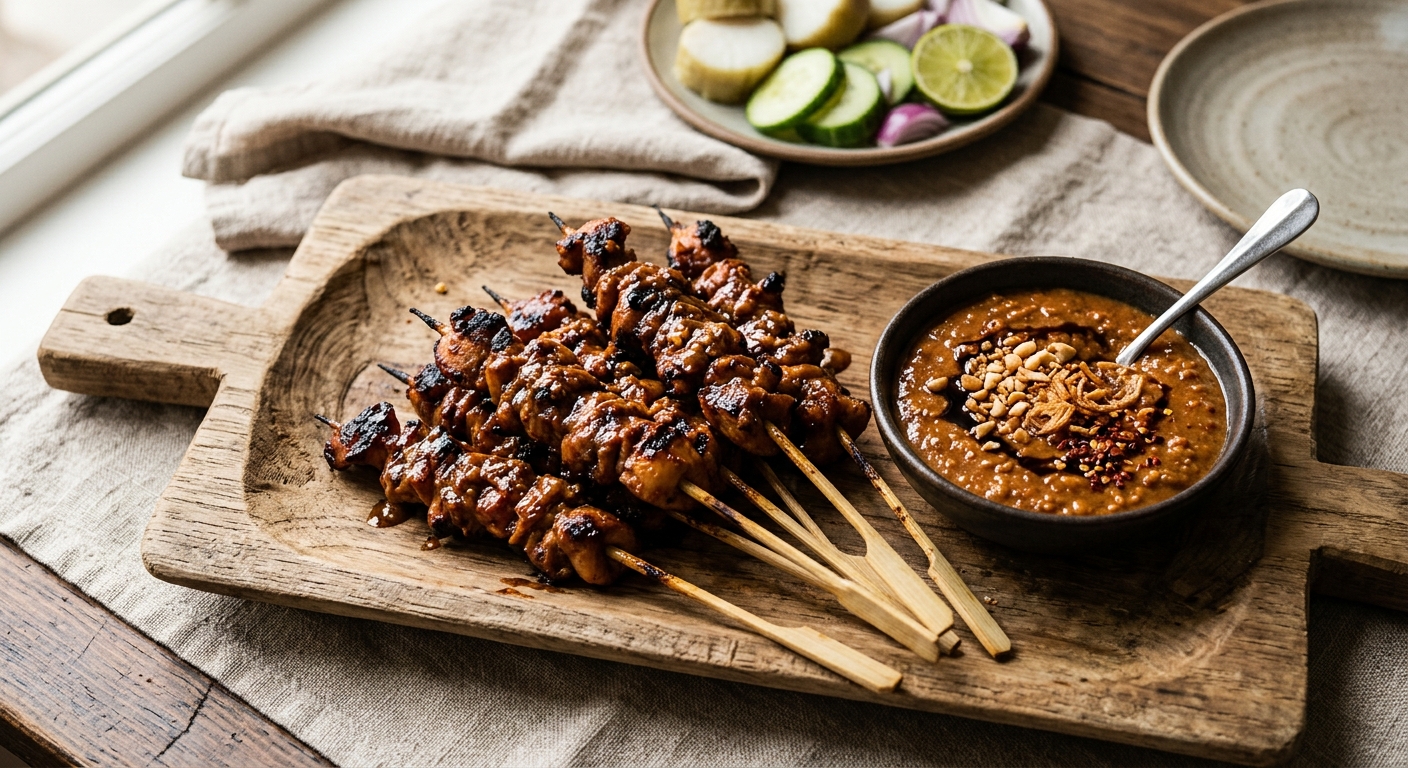
Originally from Southeast Asia — Indonesia, Malaysia and Thailand all have strong saté traditions. The meat is marinated before being threaded onto skewers and grilled quickly over high heat, which gives it charred edges and a smoky flavour. The peanut sauce is thick, slightly sweet and deeply savoury. Served as street food, a starter or a shared plate.

The most-used pot in most kitchens. Deep enough to boil pasta, simmer sauces, heat soups, and make custard without spillage. A good saucepan has a heavy base that distributes heat evenly and prevents scorching.
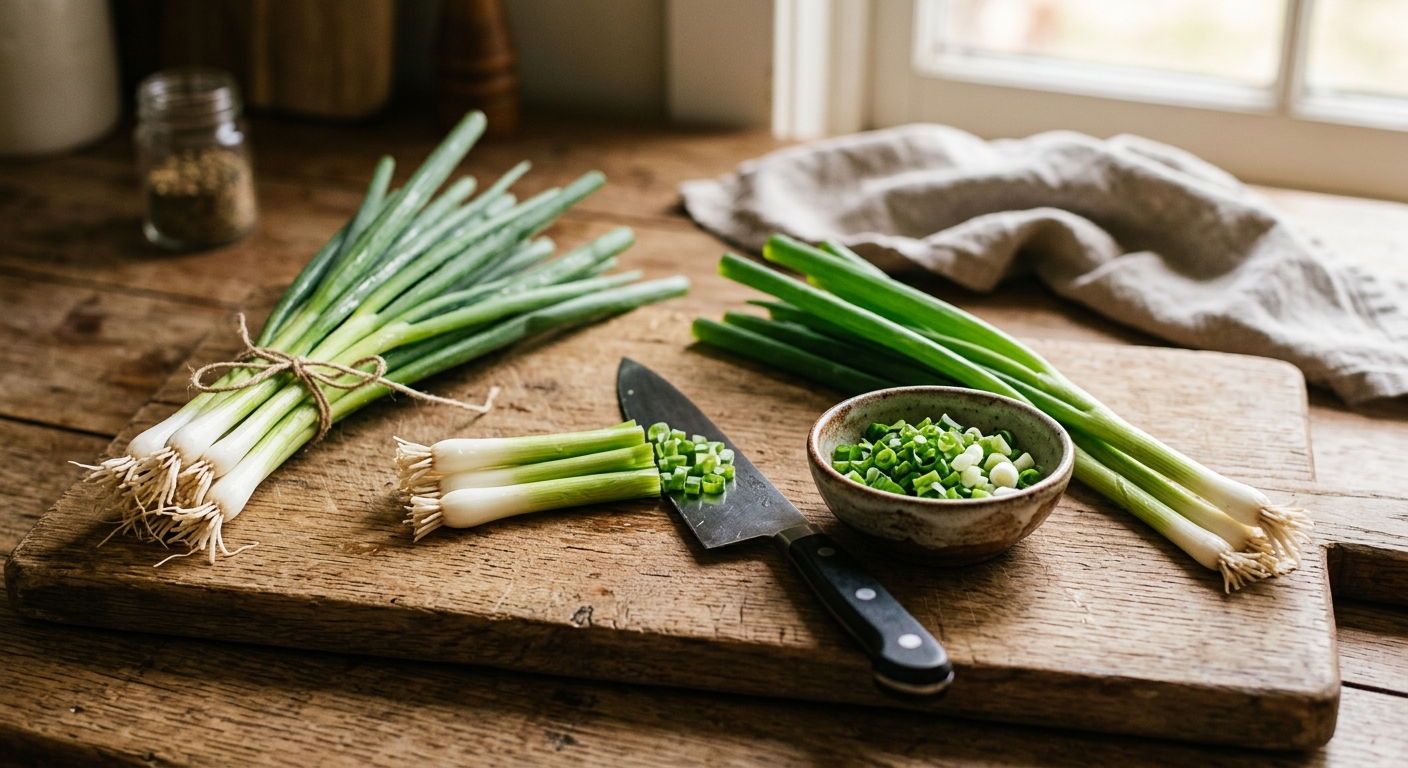
An American term for the same thing Australians call a spring onion. Mild, fresh, and slightly grassy. Used raw in salads, scattered over Asian dishes, stirred through dips, or cooked briefly as an aromatic.

The difference between sea salt and table salt is texture and flavour rather than chemistry. Table salt is fine, dense, and heavily processed. Sea salt has larger crystals, dissolves more slowly, and tastes cleaner because it contains fewer additives. Flaked sea salt scattered over food just before serving adds crunch and a burst of salinity that fine salt cannot replicate. Use fine sea salt in cooking and flaked sea salt for finishing. Sear sounds like SEER To cook the surface of food quickly over high heat to create a browned crust. The browning is the point. High heat triggers the Maillard reaction, which creates the crust, colour and deep savoury flavour that slower cooking cannot produce. A properly seared steak or piece of fish has a surface that tastes completely different from the interior. The pan must be hot before the food goes in, the food must be dry, and it must not be moved until the crust has formed. Crowding the pan drops the temperature and produces steaming rather than searing.

Most often used to describe a type of tofu, silken tofu has a soft, custard-like texture, quite different from firm tofu, and is used in soups, dressings, and desserts rather than in stir-fries. On a menu, it signals something that has been passed through a fine sieve or blended until completely smooth. A silken sauce has no graininess, no lumps, no rough edges.

A texture word rather than a flavour word, though the two are connected. A silky sauce coats a spoon evenly and slides cleanly. A silky soup has been blended and passed through a sieve until nothing coarse remains. Butter, cream, and egg yolks all contribute silkiness.

Cornflour mixed with cold water is the most common slurry. The cold liquid prevents lumps from forming when it hits the hot sauce or soup. Always mix the starch with cold liquid first, never hot, and always stir the slurry into the hot liquid rather than the other way around. The sauce thickens almost immediately on contact with heat. A little goes further than expected — add gradually and taste as you go.

Smokiness comes from several sources. Actual smoking over wood or charcoal is the most direct. Charring vegetables or meat on a very hot grill produces a similar edge. Smoked paprika, chipotle chillies and lapsang souchong tea all bring smokiness without a flame. On a menu, smoky signals depth and a slightly bitter, roasted quality underneath the main flavour.

Whipping cream or egg whites passes through several stages. Soft peaks come before stiff peaks. At this stage, the mixture is voluminous and holds its shape briefly, but the tip folds over when the whisk is lifted. For folding into mousses or soufflés, soft peaks are usually correct — stiff peaks are harder to fold in without deflating.

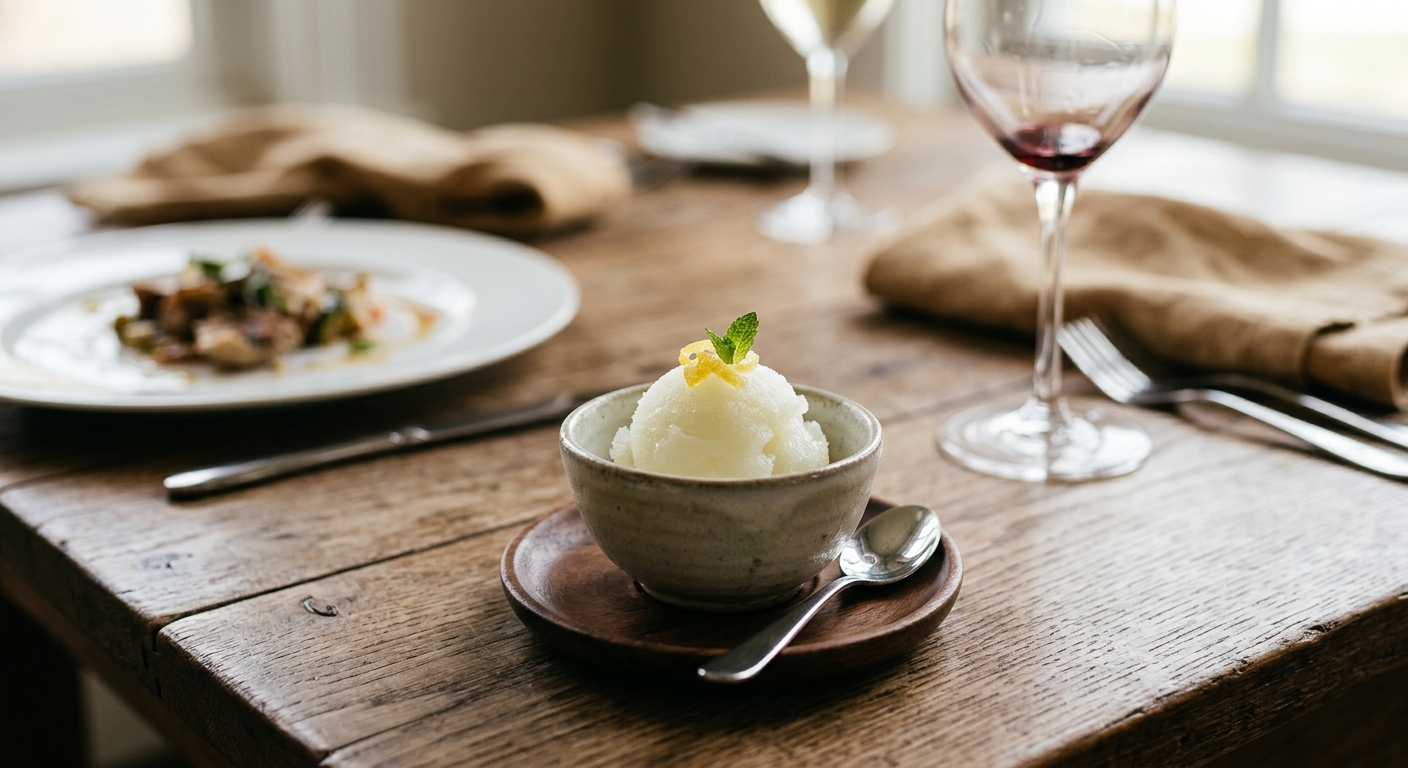
Cleaner and sharper than ice cream, and lighter than gelato. The absence of fat means the fruit flavour is direct and unmodified. Good sorbet tastes intensely of whatever fruit it is made from. It is also used as a palate cleanser between courses at formal dinners, where a small scoop of lemon or champagne sorbet resets the palate before the next dish.

The reputation for difficulty is not entirely undeserved, but it is exaggerated. The rise comes from air beaten into the egg whites, which expands in the heat. The base can be savoury — cheese, spinach — or sweet — chocolate, lemon. The main rules are simple: fold the egg whites gently so the air stays in, have your guests waiting rather than the soufflé waiting, and do not open the oven door while it is cooking. It will fall eventually.

The water is held at exactly the temperature you want the food to reach — no hotter. A steak cooked sous vide at 54 degrees will be medium-rare all the way through, edge to edge, with no grey band and no guesswork. Vegetables, fish, eggs, and custards all benefit from the same precision. The food is finished in a hot pan to develop colour and crust.

Street food at its most straightforward. Pork is traditional, though chicken and lamb are common. The meat is marinated in olive oil, lemon, and oregano, threaded onto skewers, and grilled over high heat until charred at the edges. Served wrapped in warm pita with tomato, onion, tzatziki, and sometimes chips tucked inside. The difference between souvlaki and a kebab is mostly geography. Both are excellent at any hour. It sounds more intimidating than it usually tastes. Soy glaze sounds like SOY-glayz A reduced soy-based glaze that is glossy, savoury, and slightly sweet. Soy reduced with honey, mirin or sugar becomes thick, glossy and intensely savoury with a caramelised edge. Brushed over salmon, chicken, or vegetables in the final minutes of cooking, it sets to a lacquered finish that looks and tastes considerably more complex than the effort involved. It burns easily because of the sugar content — keep the heat moderate and watch it carefully.

The filling is spinach and feta with egg to bind it, seasoned with nutmeg and sometimes dill. The filo is layered with butter or olive oil between each sheet, which is what produces the shatteringly crisp result. It can be made as a large pie cut into squares or as individual triangular parcels. The filo dries out quickly once unwrapped — keep it covered with a damp tea towel while you work. Cold the next day, it is almost as good as fresh from the oven.

The stage beyond soft peaks. At stiff peaks, the mixture is glossy and dense and holds its shape completely when the whisk is lifted. Required for meringues, pavlova, and any preparation where the structure needs to support weight or hold through baking. Easy to overshoot — over-whipped egg whites become grainy and dry and cannot be rescued.

The foundation of most serious cooking. Chicken stock, beef stock, fish stock, and vegetable stock each have their place. A good stock smells clean and savoury and has body from the gelatin released by bones during long simmering. It is the difference between a sauce that tastes flat and one that tastes like something. Good-quality purchased stock is a reasonable substitute. Stock made from scratch and reduced is not.

The category is useful because stone fruits behave similarly in cooking. They all benefit from heat, which concentrates their sweetness and softens their flesh. They all work well with almonds, vanilla and warm spices. They all ripen quickly once cut and should be used promptly. At peak season, stone fruit needs almost nothing done to it. Out of season, it is better cooked than eaten raw.

Protein content determines how much gluten a flour can develop. Strong flour, also called bread flour, has enough protein to produce the gluten network that traps gas during fermentation and gives bread its chewy, open crumb. Plain flour does not have enough protein for bread, but is correct for cakes and biscuits where a tender, fine crumb is wanted. Using the wrong flour in a bread recipe produces something dense and flat. Using strong flour in a cake produces something tough.
Structure in baking comes from gluten, eggs, starch and sugar working together. Gluten provides the framework. Eggs set and reinforce it. Starch gelatinises and fills it. Too much structure and a cake is tough. Too little and it collapses. When a recipe tells you not to overmix, it is protecting the structure. When it tells you to fold rather than beat, the same reason.

Two different uses, same underlying idea — neat, clean, and nothing wasted. A chicken supreme is a breast portion with the first wing bone left attached and trimmed, which makes it look considered on the plate. A citrus supreme is a segment cut cleanly away from all the white pith and membrane, leaving only the pure fruit. Both take a little more time than the rough version. Both look considerably more finished.

One of the five basic tastes, alongside salty, sour, bitter, and umami. In cooking, sweetness is as often used to balance other flavours as it is to dominate. A pinch of sugar in a tomato sauce softens acidity. Honey in a dressing rounds out sharpness. Caramelised onions bring sweetness to savoury dishes. On a menu, "sweet" signals that sugar or natural sweetness will be clearly present rather than just in the background. It is the most immediately appealing taste to most people, which is why dessert menus sell themselves. Sweetened condensed milk sounds like swee-tnd-kuhn-denst-milk Milk is reduced and heavily sweetened, used in desserts and confections. Thick, intensely sweet and slightly caramelised in flavour, it is not a substitute for regular milk or cream — it is its own ingredient with its own purpose. Used in fudge, toffee, key lime pie, Vietnamese iced coffee, and the base of many no-churn ice creams. When boiled unopened in its tin for several hours, it becomes dulce de leche — a thick, deeply caramelised spread. It keeps well for a long time when unopened, but once opened, it should be transferred to a jar and refrigerated. A little goes considerably further than expected.

The parsley is the main event — not the bulgur, which is used sparingly. Good tabbouleh is green and bright, with the parsley chopped very finely so it almost dissolves into the dressing rather than sitting in chunks. The lemon is generous. The olive oil is good. The bulgur soaks in the dressing rather than being cooked separately.
French for the host's table — the idea being that you are eating what the host has decided to serve, with perhaps two or three choices per course. It is usually good value and often means the kitchen is working with what is fresh and seasonal rather than maintaining a sprawling menu that never changes. Think of it as being invited to dinner rather than placing an order. The chef has made decisions.

The conical lid of the tagine pot is not decorative — it traps rising steam, which condenses on its slope and drips back onto the food, keeping everything moist without added liquid. The result is meat that is extraordinarily tender and a sauce that is intensely concentrated. Moroccan lamb tagine with preserved lemon and olives, chicken tagine with apricots and almonds — both are dishes where the long cooking time and the spicing do something that nothing else replicates.

Tangy is the good version of sour. Where sour can mean unpleasantly sharp or under-ripe, tangy implies a brightness that lifts food and makes it more interesting. Lemon curd is tangy. A good vinaigrette is tangy. Greek yoghurt is tangy. Sourdough bread has a tangy quality. On a menu, it is a useful word — it tells you to expect acidity that is deliberate and balanced rather than accidental.

Intensely savoury, deeply olive-forward and sharp from the capers. A small amount goes further than you expect. It is not a dip in the mild sense — tapenade has opinions and is not shy about them. Spread on toasted bread, it is a perfect starter. Stirred into pasta, it becomes a sauce. Spooned under the skin of a chicken before roasting, it adds something remarkable.

Distinguished from a pie by the absence of a lid. A tart is open — the filling is on display. Lemon tart, fruit tart, quiche, tarte tatin — all tarts. The pastry case provides structure and a buttery, crumbly contrast to the filling. Getting the pastry right — blind-baked properly so it does not go soggy, made with enough butter to have flavour — is the technical challenge. A great tart has a crisp base that holds up under the filling without becoming damp.
The sauce that completes fish and chips. The capers and gherkins provide the sharp, briny elements that cut through the richness of the batter. The mayonnaise provides creaminess and body. Made properly from scratch, it is considerably better than the shop-bought version — mix good mayonnaise with finely chopped capers, gherkins, shallot, and flat-leaf parsley, a squeeze of lemon, and salt. It takes five minutes and is noticeably better.
You give up control of what you eat and let the kitchen decide. Each course is small. There are a lot of them. The meal takes a long time and costs a significant amount of money. At its best, it is one of the most memorable ways to eat. At its worst, it is a very long evening of tiny plates and an enormous bill.

The lightest fried batter in cooking, and one of the most technically demanding to get right. The batter is made with ice-cold water — sometimes sparkling — and mixed minimally so lumps remain. The cold temperature and minimal gluten development keep it light. The oil must be at exactly the right temperature. The food must go in immediately after battering and be eaten as soon as it comes out. Tempura that sits becomes heavy and greasy.

The name combines the Japanese words for gloss and grill, which describe exactly what good teriyaki is — protein cooked until caramelised and lacquered in a glossy, sweet-savoury glaze. The sauce reduces and clings as the food cooks, building up layers of flavour. Made properly, it is deeply satisfying. The bottled versions are useful shortcuts.

Both the container and the thing cooked in it share the name. A terrine mould is a deep rectangular dish with a lid. A terrine is what comes out of it — layers or a mixture of seasoned meat, fish, or vegetables that set during cooking and are sliced for serving. It is coarser and more textured than pâté. Country terrine has visible chunks of meat and fat. A fish terrine has layers of different fish that reveal themselves when sliced.
Taste is only part of how food works. Texture is equally important and often taken for granted until it is wrong. A soup that tastes good but has an unpleasant grainy texture is a bad soup. A steak that tastes good but is rubber-tough is a bad steak. Crunch alongside softness, silky alongside chewy, smooth alongside rough — these contrasts are what make food interesting to eat beyond the first mouthful. Professional cooks think about texture as deliberately as they think about flavour.

Whether chicken tikka masala was invented in Glasgow or India is genuinely contested and unlikely to be resolved. What is not contested is that it is the best-selling curry in Britain and has been for decades. The sauce is smooth, mildly spiced, slightly sweet from the cream and tomato, and deeply comforting. It is not a traditional Indian dish — it is something that evolved to suit a particular palate. It is also genuinely good, which is why it endures.

Smaller than ravioli and folded into a distinctive ring shape — legend says the shape was inspired by the navel of Venus, which is the most Italian explanation imaginable. In Bologna, tortellini in brodo — served in a clear, rich chicken or capon broth — is considered the proper way to eat them and the preparation against which all others are measured. Tortellini in cream sauce exists and is very good. Tortellini in tomato sauce exists. Neither is wrong.

Tough has two causes and different solutions. Naturally tough cuts — shin, brisket, shoulder — are tough because of the connective tissue that holds muscle fibres together. The solution is long, slow, moist cooking that breaks the collagen down into gelatin. Overcooked meat is a different problem — the proteins have contracted and expelled moisture, producing something dry and resistant. The solution for that is not to do it again. A thermometer prevents overcooked meat. A long braise transforms naturally tough meat.

The most expensive ingredient by weight in professional cooking. Black Périgord truffles from France and white Alba truffles from Italy are the most prized. The aroma is earthy, musky, deeply complex, and impossible to describe adequately — it smells like something between forest floor and something almost animal. A few shavings over pasta, eggs or risotto transforms the dish. Truffle oil is not the same thing — it is usually a synthetic aroma added to oil, producing a one-dimensional, artificial result that serious cooks intensely dislike.

The sauce that completes souvlaki and pairs with almost everything from the grill. The cucumber must be grated, salted, and squeezed dry before adding — without this step, it releases water into the yoghurt and turns the sauce thin and watery within minutes. Thick Greek yoghurt produces the right texture. The garlic should be generous rather than polite. Dill or mint rather than both — they go in different directions. Made properly, it is fresh, creamy, sharp, and cooling — exactly what grilled meat alongside bread needs.

The taste that has no single English word, so the Japanese word is used. Umami was identified as a distinct taste in 1908 by a Japanese chemist who isolated glutamate — the compound responsible — from seaweed. It is the reason parmesan makes pasta taste more complete, why a splash of fish sauce improves a stew, and why sun-dried tomatoes add more than just tomato flavour. It is savoury without being salty, rich without being fatty, deep without being heavy.
It sounds slightly unpleasant, which is unfair because the food it describes is usually wonderful. Slow-braised pork belly is unctuous. A rich bone marrow sauce is unctuous. A well-made risotto can be unctuous. It means the fat content is doing exactly what it is supposed to do — creating a smooth coating and a deeply satisfying mouthfeel that lingers in the best possible way.

Unleavened bread is the oldest bread there is — flour and water, nothing else, cooked quickly on a hot surface. Matzah, chapati, tortilla, lavash — all unleavened. They do not rise because nothing is producing gas to inflate them. The result is flat, slightly chewy, and denser than leavened bread, but quick to make and compatible with fillings and wraps in a way that risen bread is not. In religious contexts — Passover particularly — unleavened bread has specific significance. On the menu, it simply says the bread will be flat.

Silky means smooth and light. Velvety means smooth and substantial. A velvety soup is thick enough to coat the back of a spoon and rich enough to feel satisfying after a small bowl. A velvety sauce wraps around food rather than running off it. If the menu says velvety, expect something with cream, butter, or both involved, and do not expect to feel light afterward.

Created in New York by a French chef in the early twentieth century, though France tends to claim it anyway. The leeks are sweated until completely soft, the potato is added and cooked through in stock, the whole thing puréed until silky, and finished with cream. Served cold, it is surprisingly refreshing — the creaminess and the gentle flavour of the leek work differently cold than warm. Served warm, it is simply a very good potato-and-leek soup.

The fundamental salad dressing is one of the most useful things to know how to make properly. The classic ratio is three parts oil to one part acid, though this varies with taste and the vinegar's sharpness. A teaspoon of Dijon mustard helps the emulsification and adds flavour. Salt and pepper. Shake or whisk. Taste on an actual leaf of what you are dressing — not on its own, because vinaigrette on its own is too sharp. On a leaf, it should make the leaf taste more alive, not just acidic. Adjust until it does.

The opposite of a floury potato, which breaks down and becomes fluffy. Waxy potatoes — Charlotte, Jersey Royals, Nicola, Kipfler — have a firm, dense texture that keeps their shape in boiling water and in the oven. This makes them ideal for potato salads where you want distinct slices, for dauphinoise where the layers need to hold, and for dish where the potato is part of a composed plate rather than a mash. Do not try to make mash from a waxy potato.

A perfectly valid personal preference that many chefs privately find difficult. At this temperature, the proteins have contracted fully, the moisture has largely left the meat, and the texture is firmer and drier than at lower temperatures. A good steak cooked well done can still be acceptable if the cut has enough fat marbling to compensate — ribeye holds up better than fillet at this temperature. Ask nicely, and a good kitchen will do its best.

Thin, delicate and filled with pork, prawn or a combination, wontons are the dumpling that appears in wonton soup, deep-fried as crispy wontons and steamed as part of a dim sum spread. The wrapper is thinner and more delicate than gyoza dough. The folding technique varies — some are simply sealed, others folded into elaborate shapes. In a well-made wonton soup, the broth is the other main event — clear, deeply flavoured and usually made from chicken and sometimes pork bones. The wonton should be silky and the broth should be serious.


The most flavourful part of any citrus fruit and the part most often underused. The zest contains the essential oils that give lemon, lime and orange their distinctive flavour and fragrance. Grated into a cake batter, stirred through a dressing, mixed into butter or scattered over a finished dish, zest adds citrus flavour without the acidity of juice. Use a fine grater or microplane and keep it light — the moment white pith appears, you have gone too far.
The word that menus use when they want to convey acidic brightness without using the word sour, which sounds less appealing. A zingy dressing has a sharp, lively quality that makes everything it touches taste more alive. A zingy salsa has an acidic edge that cuts through rich food. Zingy and tangy mean similar things — both describe pleasant acidity rather than unpleasant sourness.

The same principle as biscotti, which are twicebaked Italian biscuits. The bread is baked once as a loaf, sliced, then returned to a low oven and dried completely until hard and brittle. The result is something that keeps almost indefinitely, withstands moisture without immediately disintegrating, and provides a firm, crunchy base for toppings. Used historically as travel food and as weaning food for babies, prized for its durability.