Glossary
A definitions library for the curious cook — from al dente to zest, and quite a few surprises in between.
Please note: the book is a glossary of definitions only — it does not contain recipes, and not every entry has an associated image. Images and recipes on this site are companion material added by Dr. D.
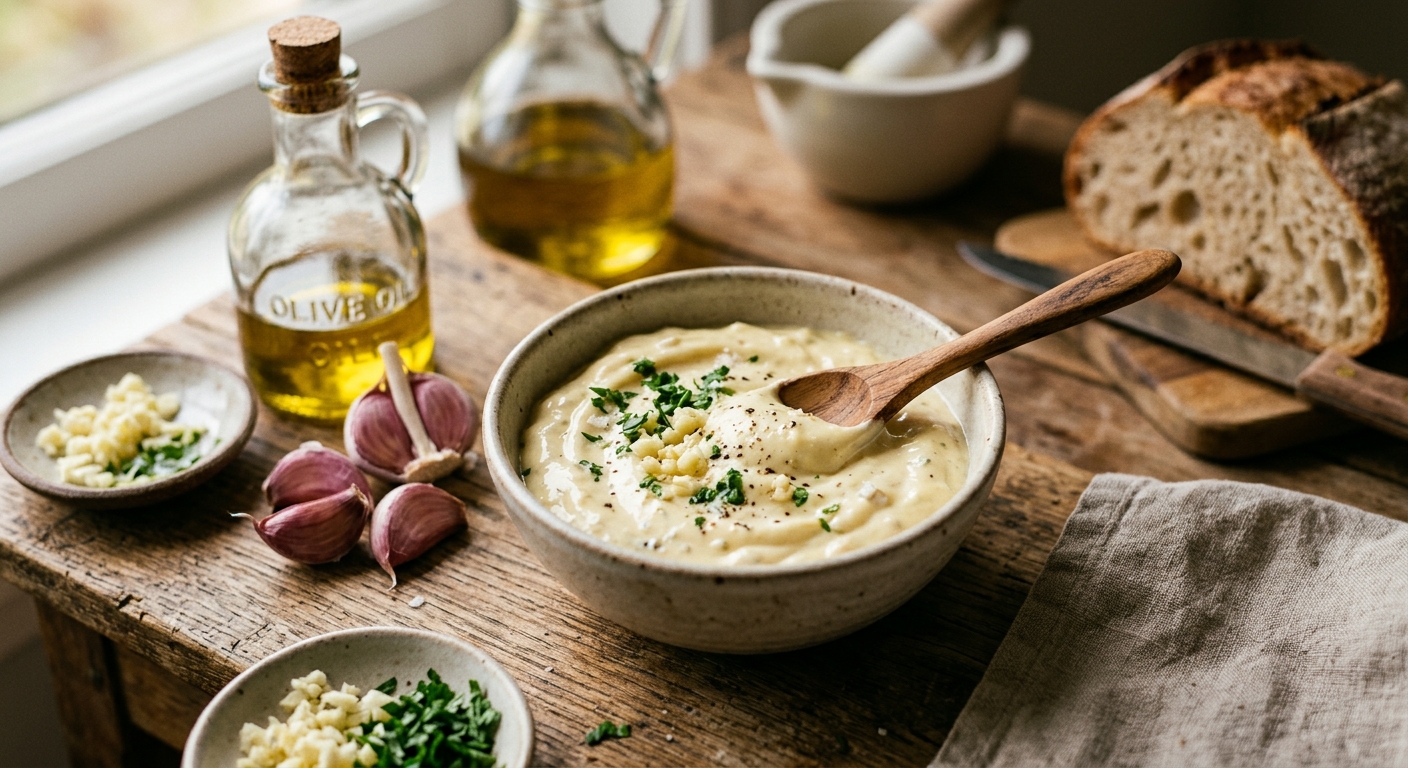
Essentially a garlic sauce. Traditional versions are just garlic and oil, pounded together until emulsified. Most versions you encounter are closer to garlic mayonnaise, which is still very good. It is rich and strong, and it goes well with fried or grilled food. It is not subtle.
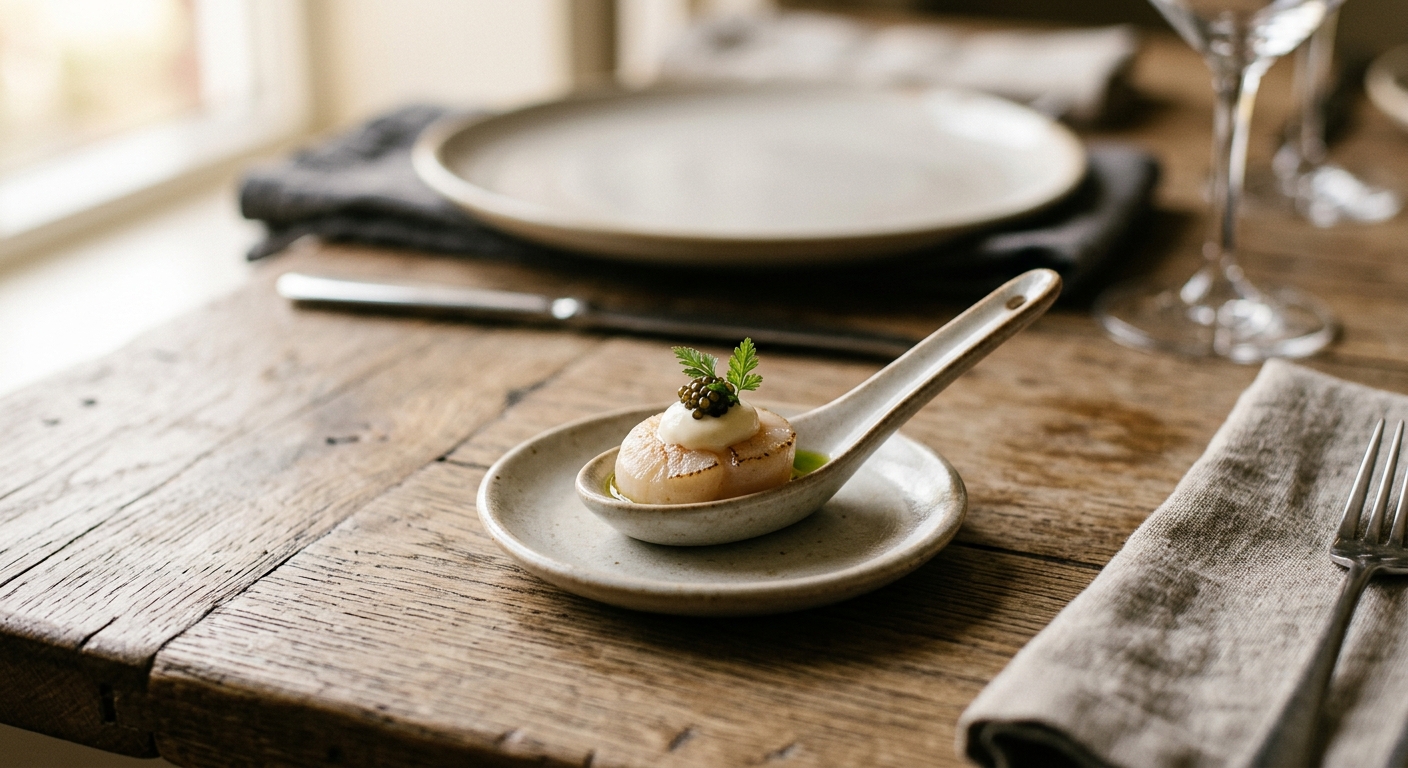
A tiny free bite before your meal starts. You did not order it, and you cannot choose it. It is there to impress you and set the tone for what follows.

A plate of bits and pieces — cured meats, olives, cheese, marinated vegetables. It is designed to start your appetite, not satisfy it. One piece of each is the idea.
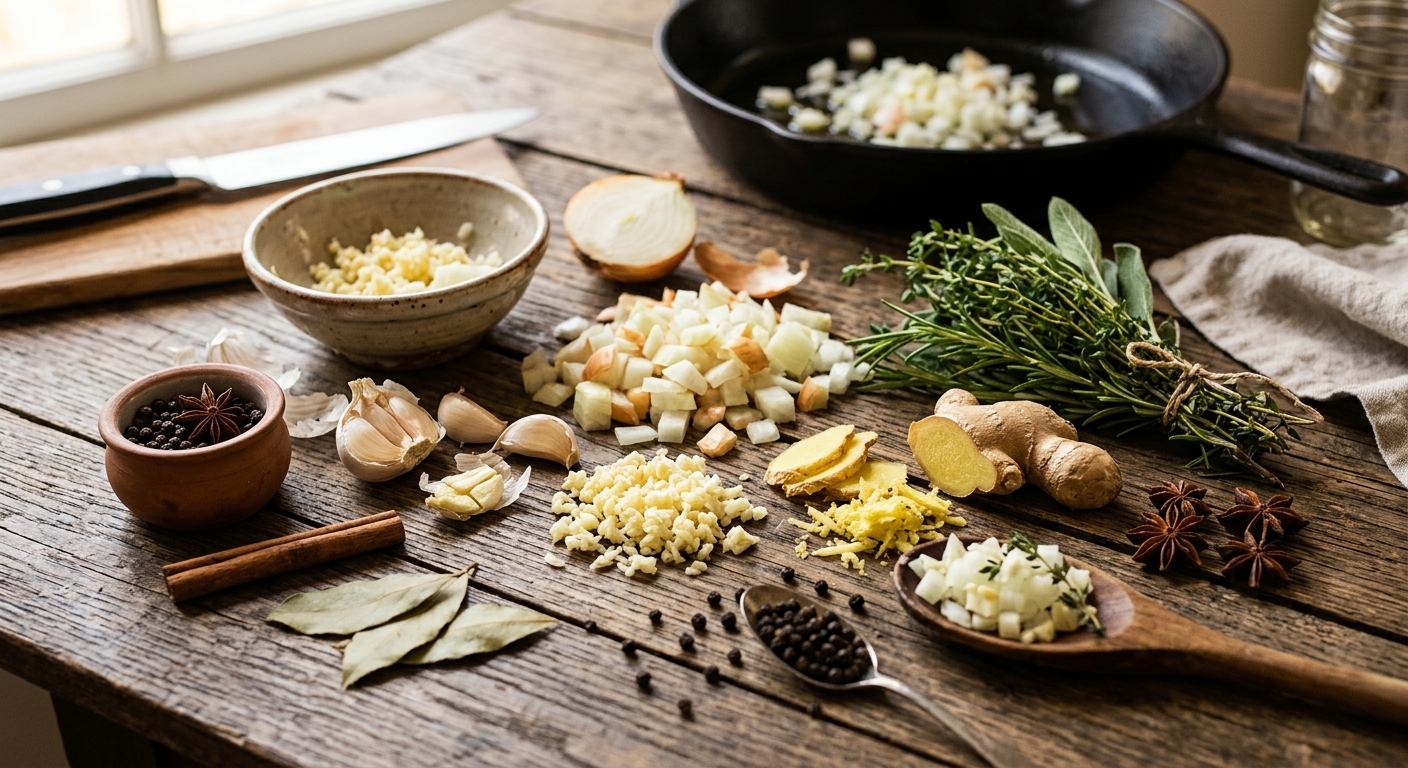
Garlic, onion, celery, carrot, fresh herbs — these are aromatics. They go in early and set the foundation that everything else builds on. If your kitchen smells good within the first five minutes of cooking, aromatics are why.

Food with a golden, slightly crunchy top — usually involving cheese, sometimes breadcrumbs, often both. The crust is the whole point. It adds texture and flavour that the soft dish underneath cannot provide on its own. If there is no proper crust, something has gone wrong.

Water cannot get hotter than 100 degrees, so anything sitting in it cooks gently rather than blasting at full heat. This is how you cook custards, cheesecakes, and chocolate sauces without them splitting. Restaurants also use it to keep food warm without cooking it further. At home, it sounds fussy.
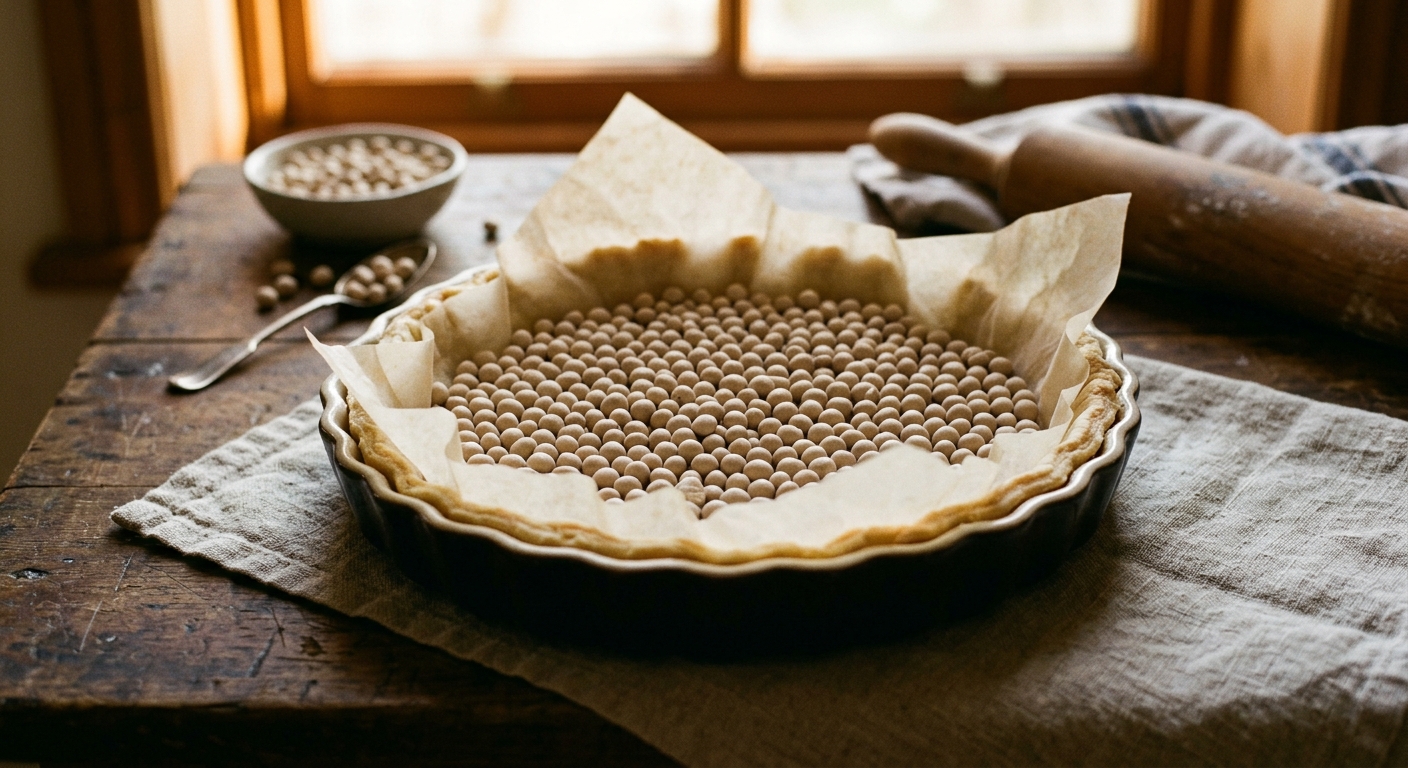
Put a wet filling straight into raw pastry and bake it together, and the base stays soggy. Blind baking fixes that. Line the pastry with baking paper, fill it with weights or dried beans to stop it puffing up, then bake it first. Then add your filling.

Named after Bordeaux, the red wine region of France, which tells you what goes into it. Shallots are cooked down in red wine until concentrated, stock is added, and the whole thing is enriched with bone marrow, which melts in, giving the sauce a glossy, rich finish. On a menu alongside steak, it means a serious, wine-dark sauce that is meant to be taken seriously.

Think of it as Hollandaise's more interesting sibling. Both are butter sauces built on egg yolks — Béarnaise adds tarragon and shallots, giving it a more complex, slightly aniseed edge. It is notoriously temperamental because the butter must be added slowly at just the right temperature, or the whole thing splits into a greasy mess. When it works, it is extraordinary.

One of the five French mother sauces, meaning it is a starting point from which other sauces can be made. On its own, it is smooth, creamy, and mild. Add cheese, and it becomes a cheese sauce. Layer it into lasagne, and it becomes deeply comforting. The trick is to cook the flour in the butter first — this removes the raw-flour taste that ruins everything if you skip it.

Real carbonara is a confident dish — you need to trust the pasta's heat to cook the eggs without scrambling them. When done properly, the sauce becomes glossy and luxurious. Many restaurants add cream because it’s easier and harder to mess up. Italians consider this sacrilege, but the creamy version still tastes good.
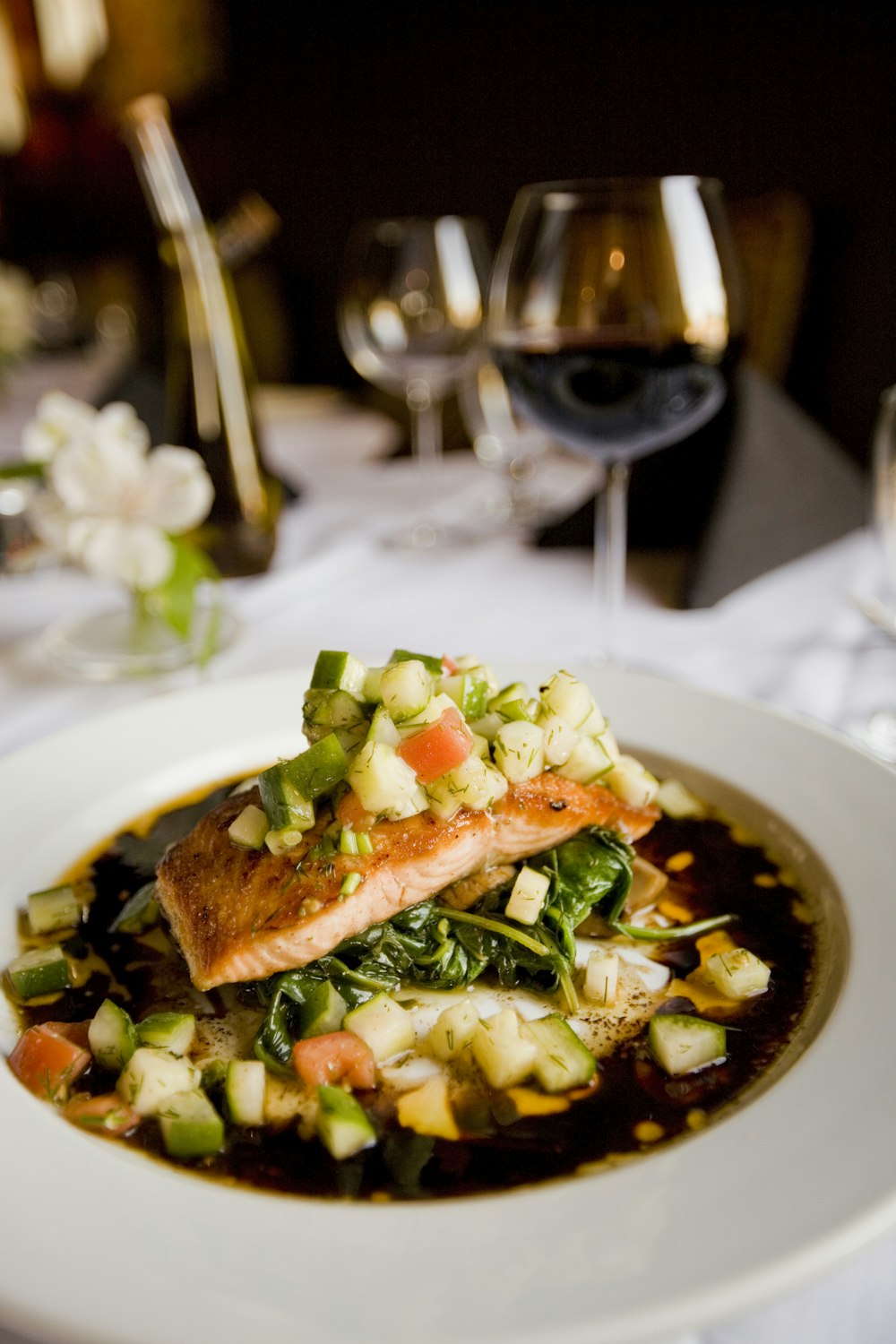
A bold, punchy relish that turns up alongside grilled meat, maize porridge, or just about anything that needs livening up. Every cook has their own version — some add baked beans, some add carrots, some add whatever is available — and everyone's version is, naturally, the correct one. It is spiced with curry powder, which gives it warmth without pretension. It is not a garnish. It is a statement.

Chasseur tastes like something a hunter might make with what’s on hand — mushrooms from the forest, wine from the cellar. It’s rich without being heavy. It pairs beautifully with poultry and has been a bistro staple for generations. It’s reliable, familiar, and quietly impressive.

Chimichurri is the sauce that makes grilled meat taste twice as good. It’s punchy, herby, and alive with acidity. It takes minutes to make — just chop and mix. Let it sit for twenty minutes so the flavours settle.

Think of coulis as a purée that went to finishing school. Raspberry coulis is the classic — blended berries strained until silky. It adds colour, flavour and a bit of drama to desserts. Tomato or red pepper versions do the same for savoury plates.

Beef Wellington is the famous “en croûte” dish — meat wrapped in pastry and baked. A croûte on its own is usually a crisp round of bread that holds something tasty. In both cases, the crust does real work: flavour, texture, and presentation. On a menu, “en croûte” usually means butter is involved.
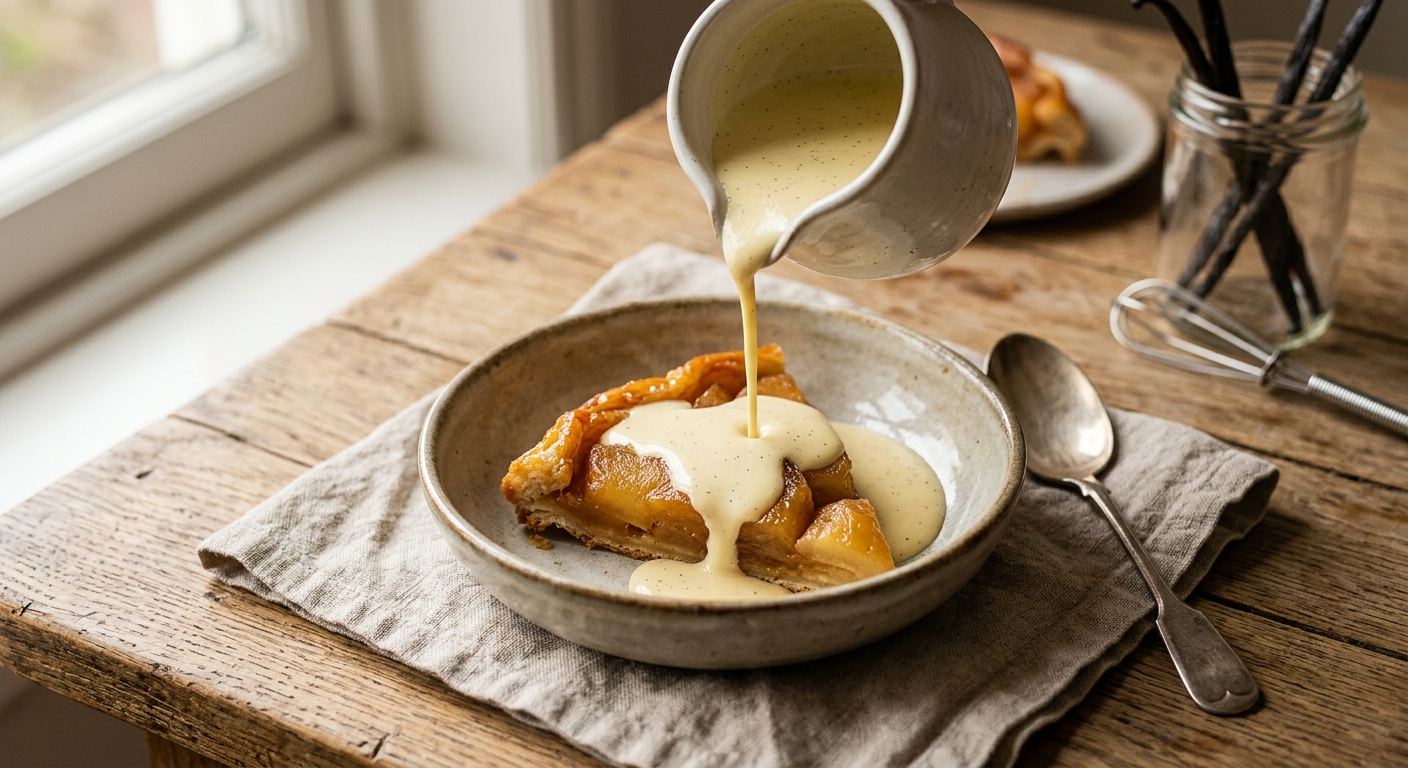
This is proper custard — elegant, silky, and far superior to anything from a tin. It should coat the back of a spoon, not sit on it like pudding. The trick is heating it slowly so it thickens without scrambling. Too hot and it curdles; just right and it’s glorious.
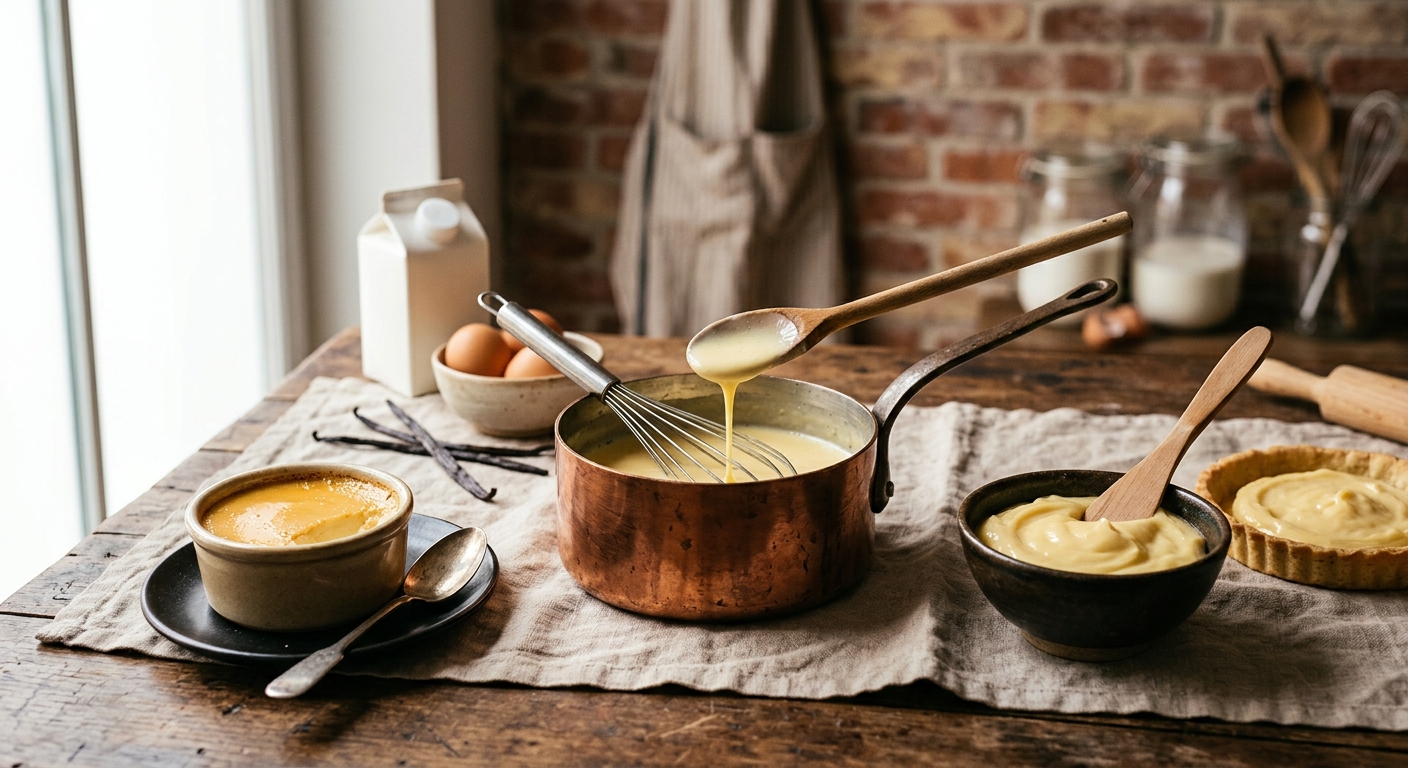
Custard is one of the kitchen’s great multitaskers. Thin custard pours over puddings; thick custard fills tarts; baked custard becomes crème brûlée. Egg yolks thicken, and milk or cream adds richness. The danger is scrambling — too much heat ruins everything.

One of the great potato dishes — luxurious, forgiving, and almost impossible to mess up. Thin slices, cream, garlic, and time do all the work. The edges catch, the centre turns silky, and the whole thing becomes greater than the sum of its parts. It goes with almost anything and reheats beautifully.

A dollop is the opposite of a carefully piped rosette — it’s relaxed, generous, and unbothered by precision. A dollop of cream on a scone or yoghurt on a curry says, “serve freely, nobody’s counting.” It’s the friendliest unit of measurement in cooking. It makes food look inviting rather than fussy.
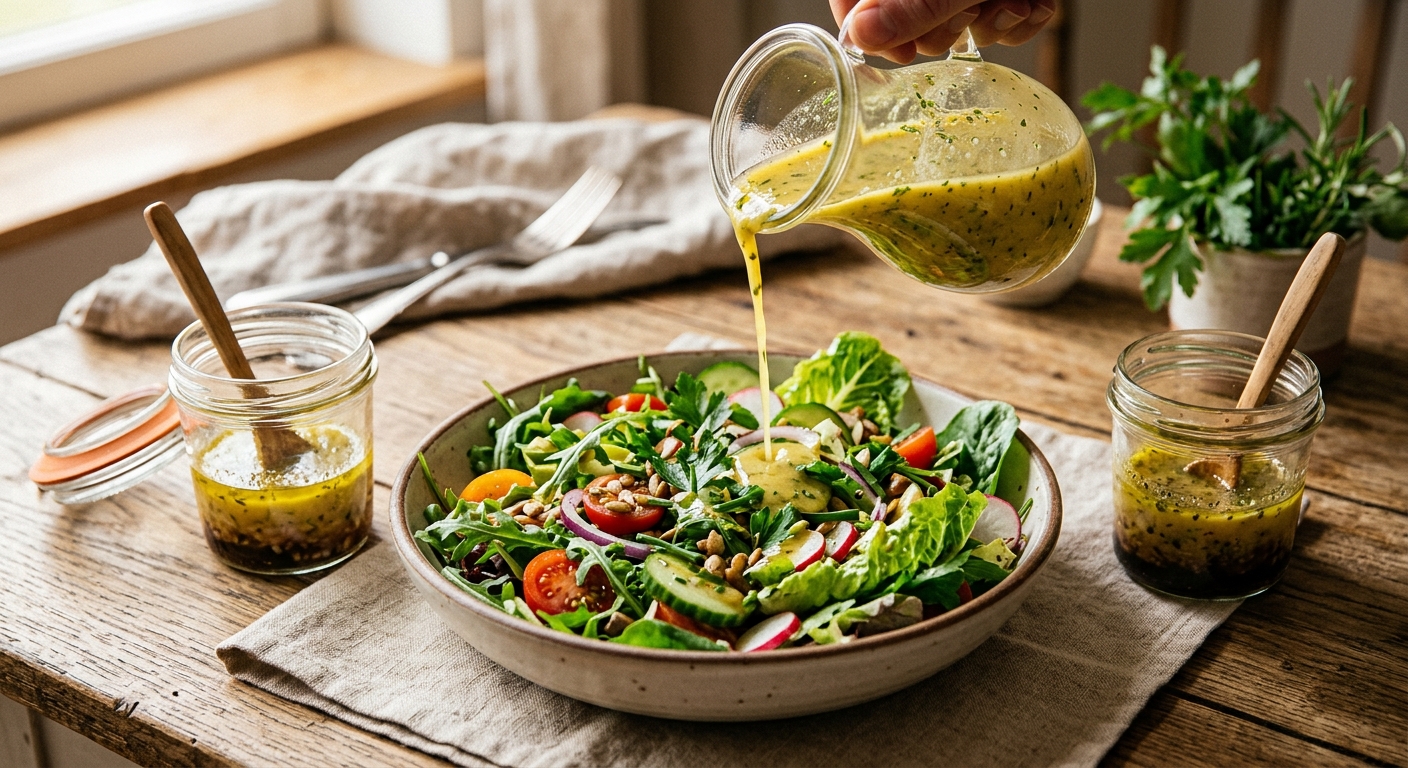
A well‑made dressing can turn a salad from a chore into something you actually want to eat. The classic ratio is three parts oil to one part acid, with mustard to emulsify and salt to wake everything up. Always taste it on an actual leaf — not on a spoon — because the leaf changes the flavour. A good dressing should enhance, not dominate.

Raw mushrooms are mostly water. Duxelles is what happens when you cook that water away and concentrate the flavour. It becomes a rich, savoury paste that tastes more like mushroom than mushroom. It’s the secret inside beef Wellington and many classical sauces. Keep cooking past the point where you think it’s done — it needs to be dry and jammy. It freezes well and improves almost anything it touches.

One of the most confusing words on any menu-it depends entirely on where you are eating. In France and the UK, entrée means the dish that enters the meal — a starter. In the United States, it refers to the main course. If you are reading an American menu and see entrées listed with steaks and salmon, those are your mains. If you are in a French restaurant and see entrées listed before the plats principaux, those are your starters.

Snails. The word escargot exists partly because snails do not sell as well on a menu, which is understandable. The classic preparation involves removing the snails from their shells, cooking them, returning them to the shells with a mixture of butter, garlic, and parsley, and baking until the butter is bubbling and golden. What you taste is overwhelmingly the garlic butter. The snail contributes a mild, chewy texture.

You will rarely see espagnole listed on a menu by name — it is a base from which other sauces are made rather than a finished dish. Demi-glace, the intensely rich sauce found in fine dining, is made by reducing Espagnole with additional stock. Bordelaise starts here. Chasseur starts here. It represents hours of work — roasting bones, simmering stock, cooking down vegetables — condensed into a dark, glossy liquid that gives professional sauces their depth and body.
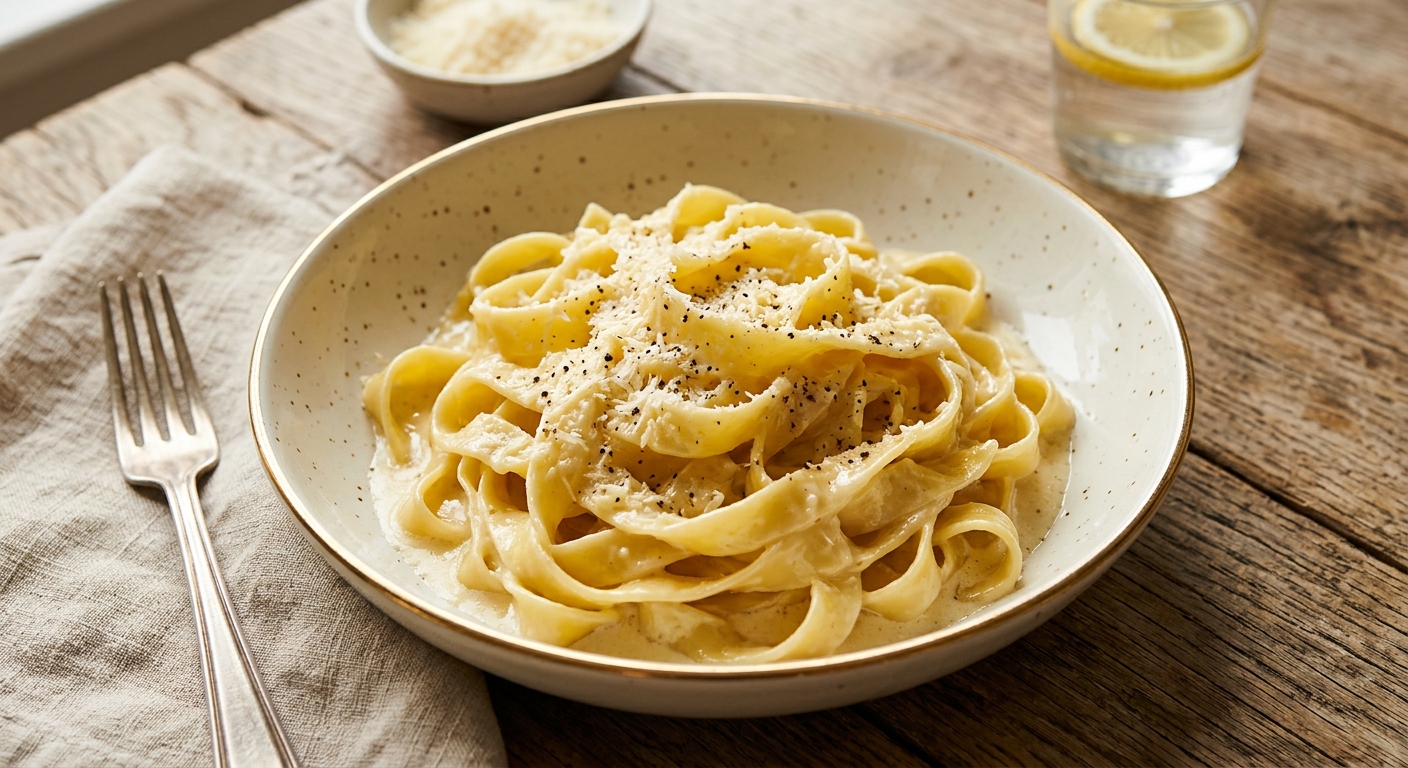

The gratin is both a technique and a result. Any dish can be gratinéed — given a gratin topping — and the result is always improved. Macaroni gratin. Cauliflower gratin. Leek gratin. Onion soup with a cheese gratin on bread floating on top. The crust provides crunch and richness, and the food underneath stays soft and moist.

The thing that makes a roast dinner a roast dinner. Proper gravy starts with the fat and juices left in the roasting tin after the meat comes out. Flour goes in and cooks briefly, then stock is added gradually while stirring until smooth and thickened. Season well. The browned bits in the tin — the fond — dissolve into it, giving it depth that gravy made from granules cannot replicate. Granule gravy is acceptable in an emergency.

The simplest salad and the one most often done badly. A green salad should be dressed just before serving — dressed leaves sitting in dressing wilt fast. The dressing should coat the leaves without pooling at the bottom of the bowl. The leaves should be dry; wet leaves repel dressing. Good olive oil, good vinegar, salt, pepper, and perhaps a little mustard to help them emulsify are all it needs.

The sauce on eggs Benedict is the reason many people order it. Butter and egg yolks emulsified with lemon and a little warmth produce something that is simultaneously light and very rich — a sauce that coats without feeling heavy. It is famously temperamental: too much heat and the eggs scramble; too little and it never thickens. A double boiler, patience, and constant whisking get you there. Hollandaise left sitting too long will separate.

French for outside the work, meaning outside the main meal. These are the small bites that arrive before you sit down or immediately after, designed to keep people happy while the real cooking finishes. Canapés, blinis, small skewers, bite-sized tarts — all qualify. On a restaurant menu, it is essentially a synonym for amuse-bouche. At a party, it is the food you eat standing up while trying not to drop anything on yourself.


One of the great comfort dishes and one that rewards being made properly rather than quickly. The ragù should be slow-cooked and rich. The béchamel should be smooth and well-seasoned. The pasta sheets should be cooked or fresh, not dried and hard. Layered generously and baked until the top is golden and slightly browned at the edges, it is one of the most satisfying things to put on a table.

To cover the inside of a baking tin, tray, or dish with baking paper, pastry, or another layer before adding the contents to prevent sticking and aid removal.In plain English: One of those preparation steps that feels fussy until the moment you need it. A lined tin releases a cake or tart cleanly. An unlined tin produces something stuck, damaged, and requiring reassembly on the plate. Cut the paper to fit the base, grease the sides as well, and nothing sticks. For pastry cases, lining the tin carefully means neat edges and an even base. It takes two minutes and saves a great deal of frustration.
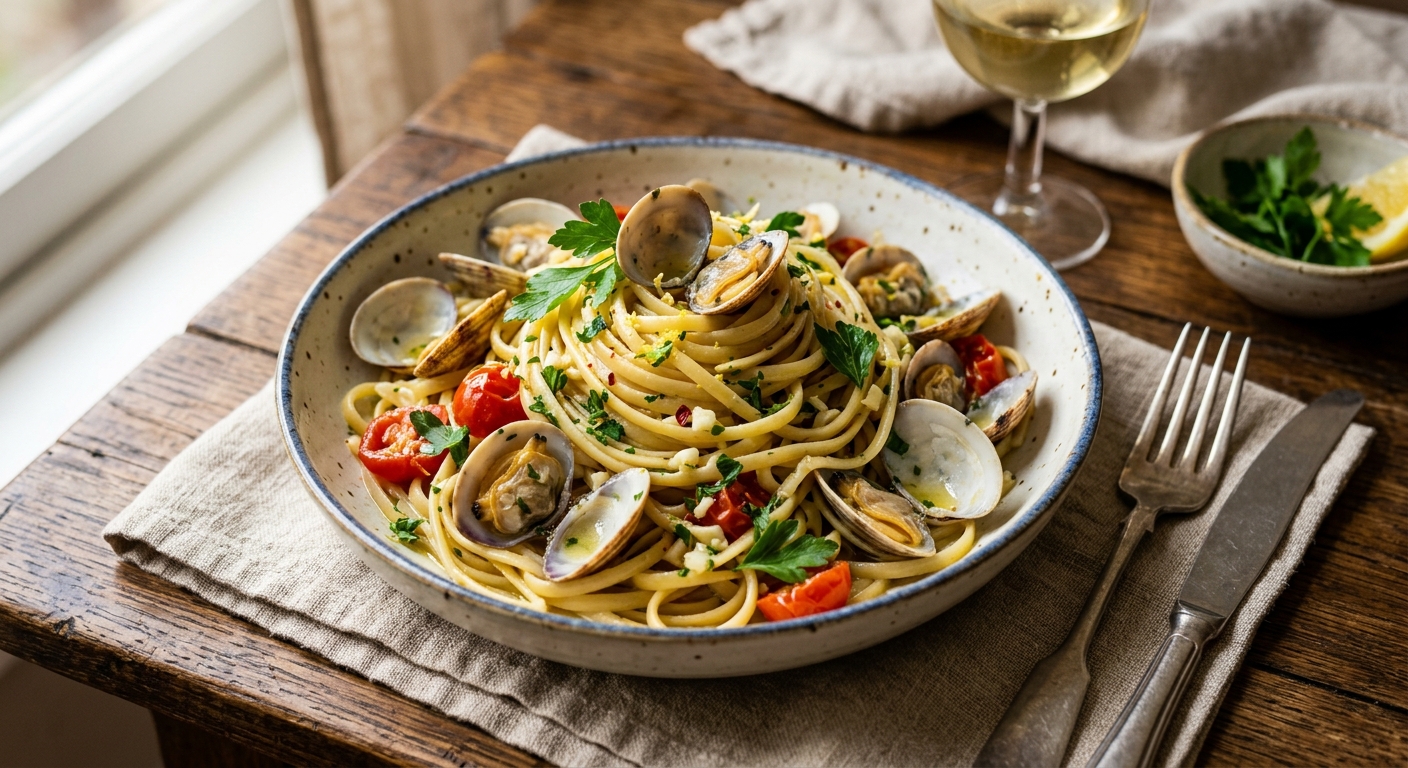
One of the finest pasta dishes in existence, and one that takes about fifteen minutes to make properly. The clams open in white wine and garlic and release a briny, intensely savoury liquid that becomes the sauce. Toss linguine through it with good olive oil and parsley, and every strand is coated in something that tastes powerfully of the sea. Use fresh clams. The tinned version produces a serviceable dish.
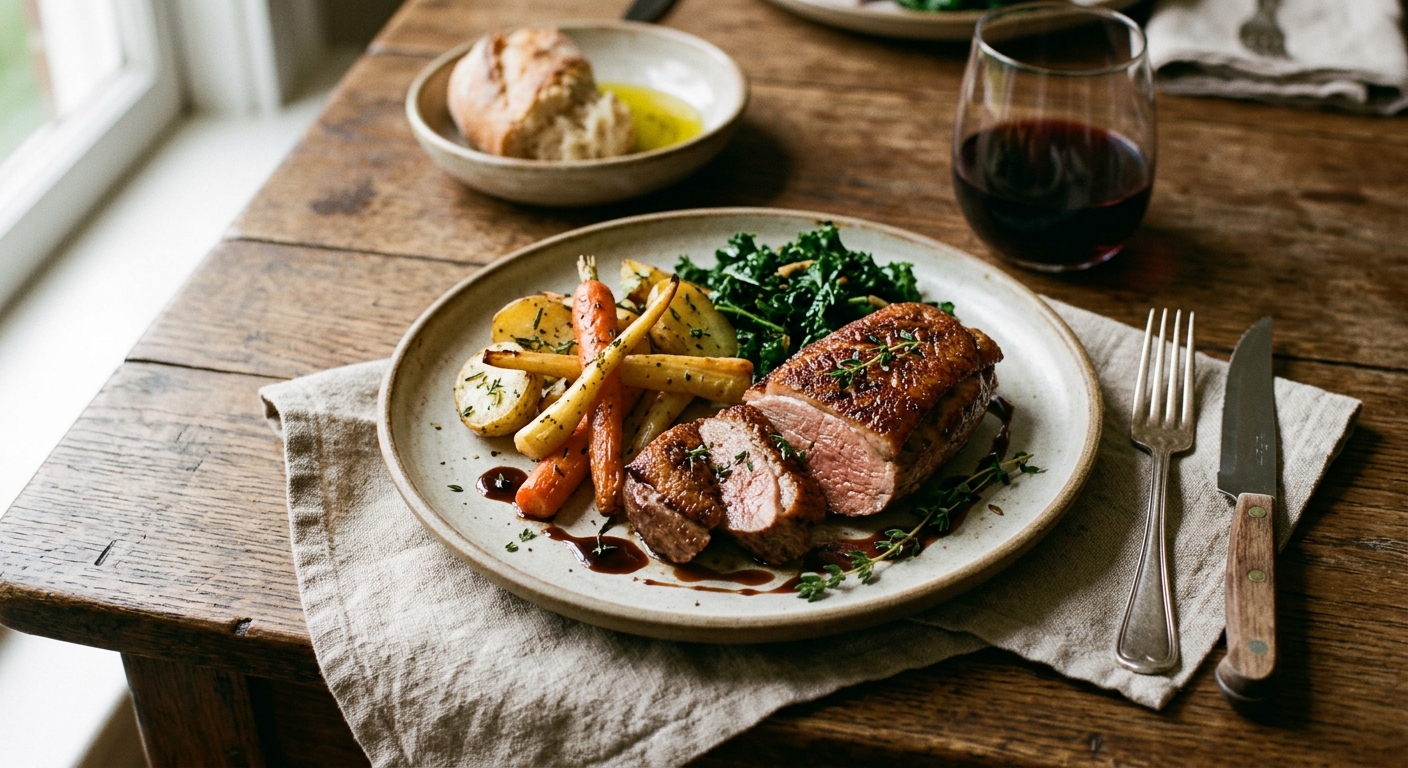
The course around which everything else is organised. The starter builds appetite for it. The dessert follows it. The wine is usually chosen to complement it. On a menu, the main courses are where the kitchen makes its most significant statement — the dishes that require the most skill, the best ingredients, and the most time.

Higher in fat than most cream cheeses and considerably richer in texture — closer to clotted cream than anything spreadable. Tiramisu provides the creamy, yielding layer between coffee-soaked sponge fingers. In pasta sauces, it melts into something silky and coat-like. In risotto, it adds richness at the end alongside Parmesan. It is not low in calories. It is not meant to be.

Three types exist, and all start with the same two ingredients. French meringue is raw egg whites and sugar beaten together and baked — the most common and the most unstable. Swiss meringue heats the whites and sugar together over a water bath before beating — resulting in a more stable, glossier meringue. Italian meringue pours hot sugar syrup into beating whites — the most stable of all, and silky rather than crisp. French meringue makes pavlova and individual meringues. The Italians and the Swiss go for lemon tarts and Baked Alaska.

Tiny leaves of things like pea shoots, radish, sunflower and basil cut when they are only a centimetre or two tall. They look delicate and photogenic on a plate. Some have surprisingly strong flavours for their size — radish microgreens taste of radish, pea shoots taste of fresh peas. On a menu, they usually signal that the kitchen cares about presentation.

The technique that gives restaurant sauces their sheen and body. Cold butter — cut into small cubes — goes into a hot but not boiling sauce and is whisked in vigorously, piece by piece. Each addition emulsifies into the sauce, adding richness, gloss, and a velvety texture without making it heavy. The sauce must not boil after the butter goes in, or it will split.

A sauce that naps the spoon has reached the right consistency — thick enough to cling to the back of a metal spoon, and when you draw your finger through it, the line holds clean and does not run back together. This is the test for crème anglaise, for most coating sauces, and for any liquid you want to serve as a sauce rather than a broth. Too thin and it runs off everything.

The dark green or black sheets you see wrapped around maki rolls. Made from red algae that is shredded, pressed into sheets and dried, nori has a subtly briny, savoury flavour and a satisfying crunch when fresh. It softens quickly once it touches moisture, which is why sushi rolls are best eaten promptly after making.


Thailand's most internationally recognised dish, and one that varies enormously depending on who is making it. A good pad Thai balances sweet, sour, salty, and savoury simultaneously — the tamarind provides tartness, the palm sugar sweetness, the fish sauce salt, and depth. The noodles should have some wok char and a slight chew. The peanuts add crunch. The lime at the table brightens everything.

Both Australia and New Zealand claim to have invented it, and both are probably wrong. The meringue should be crisp and papery on the outside, collapsing into a soft, chewy centre when you press through it — this is achieved by adding a little cornflour and vinegar to the mixture before baking. Topped with cream and whatever fruit is ripe and in season, it is one of the few desserts that are genuinely better-looking than they sound. The argument about who invented it is considerably less interesting than eating one. Peak sounds like: pe-eek When cream or egg whites are whipped until they form a small point when you lift the whisk. You whisk until it reaches its maximum volume or firmness. The term is most used when whipping egg whites or cream. Peak is the point at which your mixture finally decides to cooperate. Lift the whisk, and it forms a little point or peak. If the peak stands up proudly, you have stiff peaks. If it droops over like a tired old sheepdog, you have soft peaks. Most recipes seem to assume everyone knows the difference, but for beginners, it can feel like a guessing game. The good news is that once you see it, you will never forget it. Just remember: a peak should look like a mountain peak. If it looks like a puddle, keep whisking.

The name comes from the Italian word pestare — to pound — because it was traditionally made in a mortar and pestle. The friction and pressure of pounding rather than blending produce a different texture and a slightly less oxidised result. A blender works fine for everyday use, but the mortar version is noticeably better. Pesto made with very fresh basil, good Parmesan, and enough salt is extraordinary.

The meal is over, you think you are done, and then a little plate of tiny things arrives. They are not dessert — dessert already happened. They are the kitchen's way of finishing the meal on a sweet note and sending you out feeling that the experience was complete. The name means small oven in French.

A purée is complete smoothness — no lumps, no texture, nothing left to chew. Tomato purée is cooked-down tomatoes blended until smooth. Pea purée is peas blended with butter and seasoning. Sweet potato purée is roasted sweet potato processed until silky. On a restaurant plate, a purée is usually a deliberate, considered element — a smooth pool or smear of something intense that provides flavour and visual contrast to the main component. The key is seasoning: a purée that is under-seasoned tastes flat, however well-made it is.

Liver pâté is the most common — chicken liver, especially, enriched with butter until silky and served cold with toast or bread. Coarser versions, called terrines, have more texture and visible ingredients. Fish pâté uses smoked or fresh fish blended with cream cheese. Vegetable pâté is a different thing entirely, usually listed as pâté on menus to sound more substantial than it is. On a menu, pâté signals something rich, savoury and suitable for spreading.


The filled pasta that appears most often on menus is the one that allows for almost unlimited variation — ricotta and spinach, lobster and mascarpone, pumpkin and sage butter, braised beef and truffle. The pasta itself should be thin enough to be almost translucent and delicate enough that you can feel the filling through it. Thick pasta surrounding a small filling is a sign of a kitchen that does not care.

One of Spain's great sauces and one that is considerably underused outside Catalonia. The roasted peppers give sweetness and depth. The nuts give body and a slight richness. The garlic gives warmth. The result is thick, smoky, slightly sweet and deeply flavoured — somewhere between a sauce and a dip. It goes with virtually everything grilled and makes plain vegetables taste remarkable.

The shape that makes something look considerably more elegant than the same ingredients served flat. A beef roulade is a thin slice of beef spread with stuffing and rolled tightly. A chocolate roulade is a flourless sponge rolled around whipped cream. A salmon roulade is smoked salmon rolled around a cream cheese filling.

The word just means sauce in Spanish — it is the specific combination that matters. Fresh salsa is sharp, bright and uncooked. Cooked salsa is deeper and slightly smoky. It exists to lift everything around it — spooned over grilled meat, stirred through eggs, served alongside chips. The heat level varies enormously depending on the chilli used.
Coleslaw is the most familiar version, but slaw covers a wider range than the creamy, mayonnaise-heavy versions found at barbecues. A vinegar-dressed slaw is sharper and lighter and holds up better alongside rich food. Red cabbage, fennel, carrot, kohlrabi, and apple all work well. The shredding is important — too thick and the texture is tough rather than crisp.

The beef must be very fresh, very cold, and finely chopped rather than minced — the texture should have some resistance rather than being paste-like. Classic seasonings include Dijon mustard, capers, shallots, Worcestershire sauce, and Tabasco. The egg yolk sits on top and is mixed through at the table. Served with toast or thin fries. The flavour is clean, rich and intensely savoury. It requires good sourcing and good knife work.

The rice is the constant — everything else varies. Nigiri is rice topped with a slice of fish. Maki is rice and filling, rolled in nori, then sliced. Temaki is a hand-rolled cone. Sashimi, often ordered alongside sushi, is fish without rice. The vinegared rice has a clean, slightly sharp flavour that balances the richness of the fish. Eaten with soy sauce, wasabi, and pickled ginger, which cleanses the palate between pieces.

The opposite of thickening, and equally useful. A batter that has been sitting and absorbed too much flour can be thinned. A gravy that has reduced too far can be thinned with stock. A mayonnaise that is too stiff for a dressing can be thinned with lemon juice or water. Add the liquid a little at a time and mix between additions — it is far easier to thin something than to thicken it back if you go too far. Gradual and patient produces the right consistency.
The action that coats every leaf of a salad in dressing without bruising the leaves. The action that coats every strand of pasta in sauce without breaking it. Tossing is gentle and quick — two large spoons or clean hands lift from the bottom and turn the top over, rotating the bowl slightly each time. A properly dressed salad has dressing on every surface. A salad stirred heavily has crushed leaves and dressing pooled at the bottom.