Browned Lamb Chops with Rosemary and Lemon
Because grey meat is a choice, and not a good one.

Definition
Browning is not burning. It is a chemical reaction between proteins and sugars on the surface of food that creates hundreds of new flavour compounds — the deep, savoury taste of a seared steak or a roasted potato. A grey boiled piece of meat and a properly browned one contain the same ingredients. They are completely different eating experiences.
Ingredients
4 lamb loin chops, roughly 2.5 cm thick; 2 tbsp olive oil; 1 tsp flaky sea salt; ½ tsp freshly ground black pepper; 3 sprigs fresh rosemary; 3 cloves garlic, lightly crushed, skin on; 1 lemon, cut into wedges to serve.
Kitchen Table
A tailored kitchen-material list is being prepared for this recipe.
Method
- Take the chops out of the fridge at least 20 minutes before cooking. Pat them completely dry with kitchen paper. This matters — moisture on the surface steams the meat rather than browning it, and steaming is not the point here.
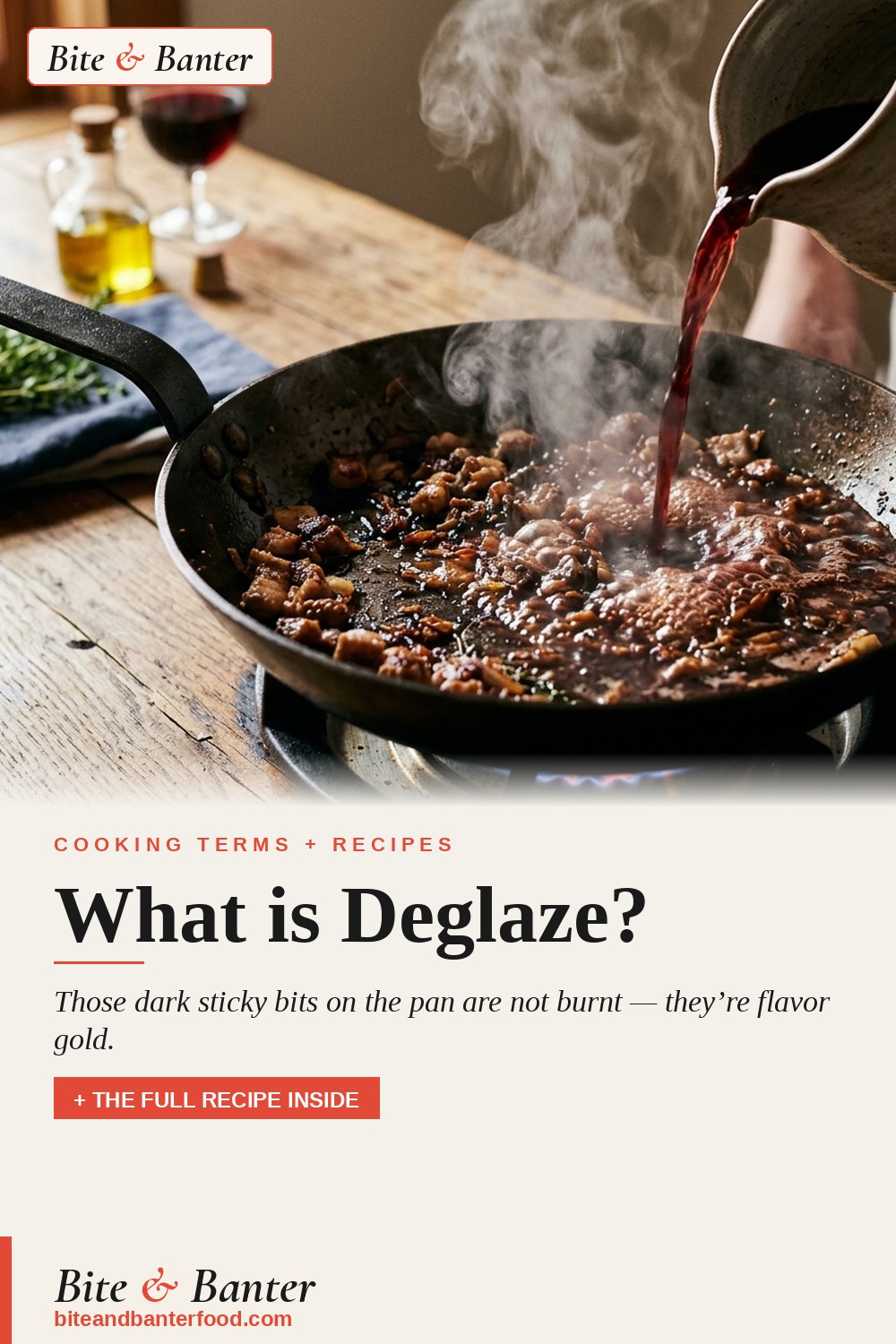
- Rub the chops with olive oil, salt, and pepper on both sides. Set a heavy frying pan — cast iron if you have it — over high heat. Let it get genuinely, properly hot. Hold your hand a few centimetres above the surface. If you pull it away quickly, you are ready.
- Lay the chops in the pan. Do not move them. This is the part where patience earns its keep. Leave them entirely undisturbed for 3 to 4 minutes. The browning is happening — a cascade of chemical reactions building flavour you cannot achieve any other way.
- Flip the chops once. Add the rosemary sprigs and crushed garlic to the pan alongside them. The herbs will sizzle and crisp slightly in the residual fat. Cook for a further 3 to 4 minutes for medium — a little pink in the centre.
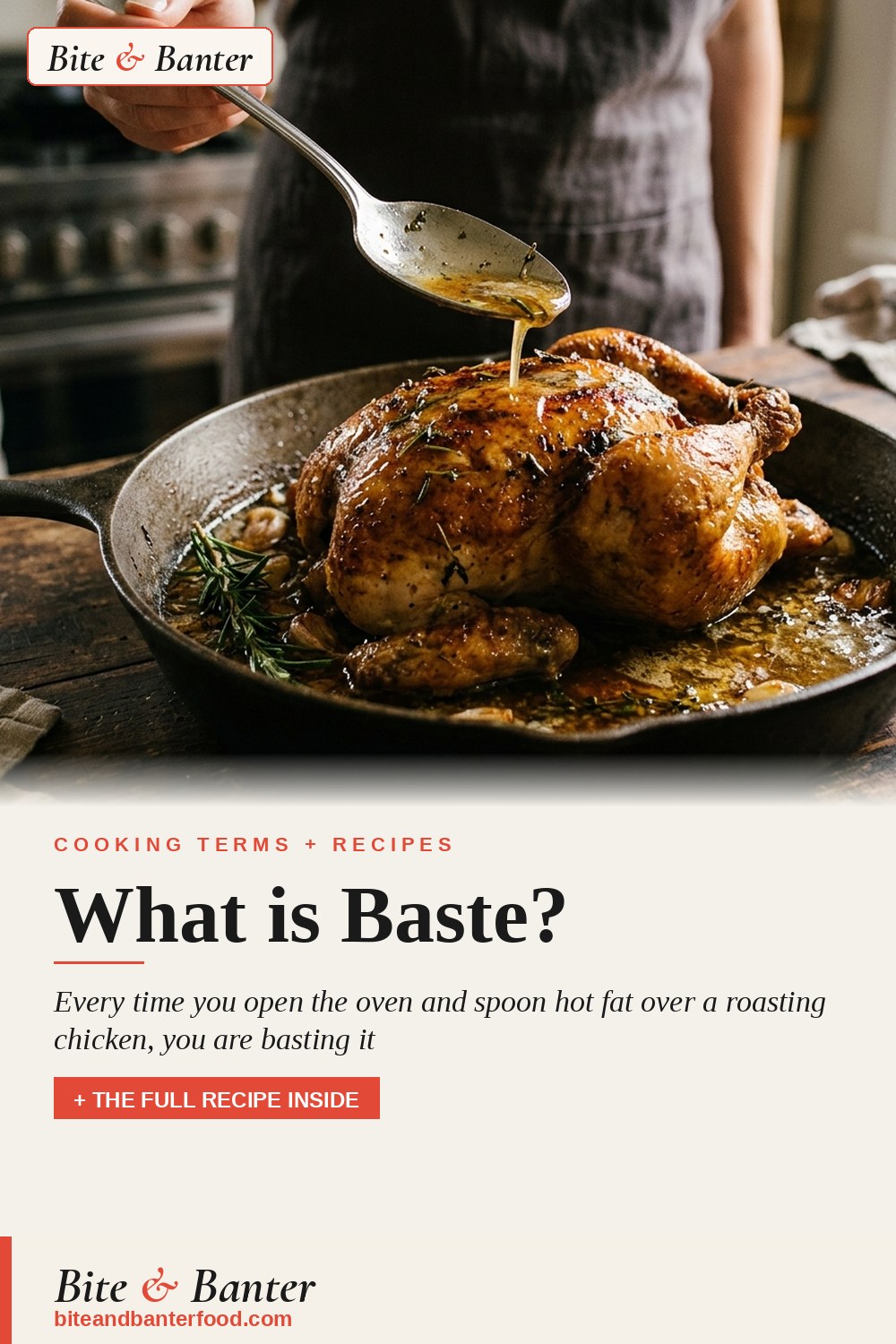
- Tilt the pan and spoon the hot, herb-scented fat back over the chops two or three times in the final minute. This is called basting. It rewards you with colour and gloss in equal measure.
- Rest the chops on a warm plate for 5 minutes before serving. Squeeze lemon over at the table. The crust you have built will hold. The flavour is already done.
Critical Points — The WOW Factor
Chef's critical points and the wow-factor tagline for this recipe are being written and will appear here soon.
— The Maillard reaction was identified in 1912 — mankind had been enjoying it, unknowingly, for considerably longer.
From the Bite & Banter Pinterest kitchen