Classic Pavlova with Cream and Summer Fruit
Let Australia and New Zealand fight over it. You just make it.

Definition
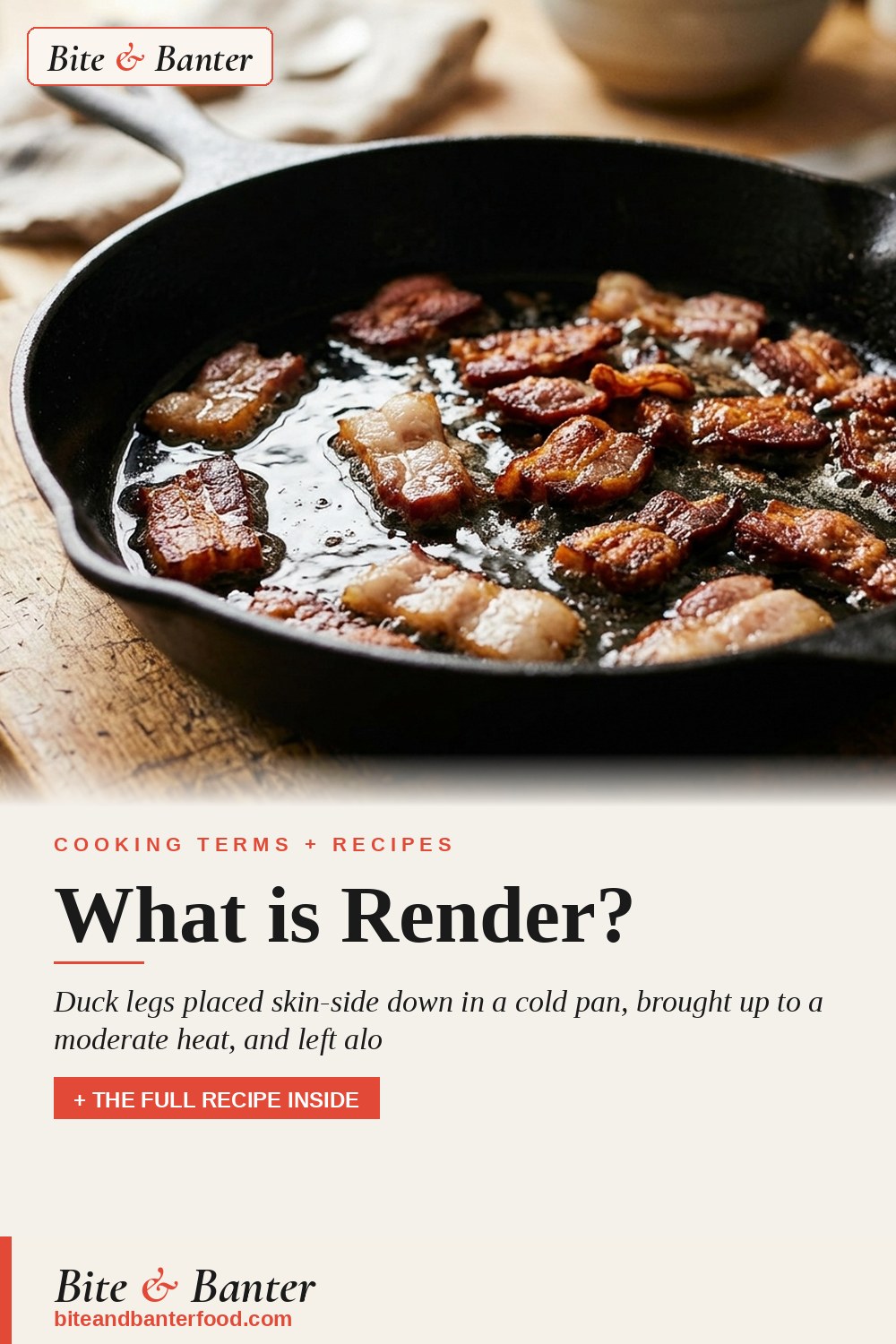
Both Australia and New Zealand claim to have invented it, and both are probably wrong. The meringue should be crisp and papery on the outside, collapsing into a soft, chewy centre when you press through it — this is achieved by adding a little cornflour and vinegar to the mixture before baking. Topped with cream and whatever fruit is ripe and in season, it is one of the few desserts that are genuinely better-looking than they sound. The argument about who invented it is considerably less interesting than eating one. Peak sounds like: pe-eek When cream or egg whites are whipped until they form a small point when you lift the whisk. You whisk until it reaches its maximum volume or firmness. The term is most used when whipping egg whites or cream. Peak is the point at which your mixture finally decides to cooperate. Lift the whisk, and it forms a little point or peak. If the peak stands up proudly, you have stiff peaks. If it droops over like a tired old sheepdog, you have soft peaks. Most recipes seem to assume everyone knows the difference, but for beginners, it can feel like a guessing game. The good news is that once you see it, you will never forget it. Just remember: a peak should look like a mountain peak. If it looks like a puddle, keep whisking.
Ingredients
4 large egg whites, at room temperature; 220 g caster sugar; 1 tsp white wine vinegar; 1 tsp cornflour; 300 ml double cream; 250 g strawberries, hulled and halved; 150 g raspberries or passionfruit pulp; 1 tsp icing sugar, for the cream.
Kitchen Table
A tailored kitchen-material list is being prepared for this recipe.
Method
- Heat your oven to 150°C (130°C fan). Line a baking tray with parchment and draw a 22 cm circle on it — this is your guide, not a strict border.
- Whisk the egg whites in a clean, dry bowl until they form stiff, glossy peaks. Add the caster sugar one tablespoon at a time, whisking well between each addition. The mixture should be thick, very glossy, and hold its shape without argument.
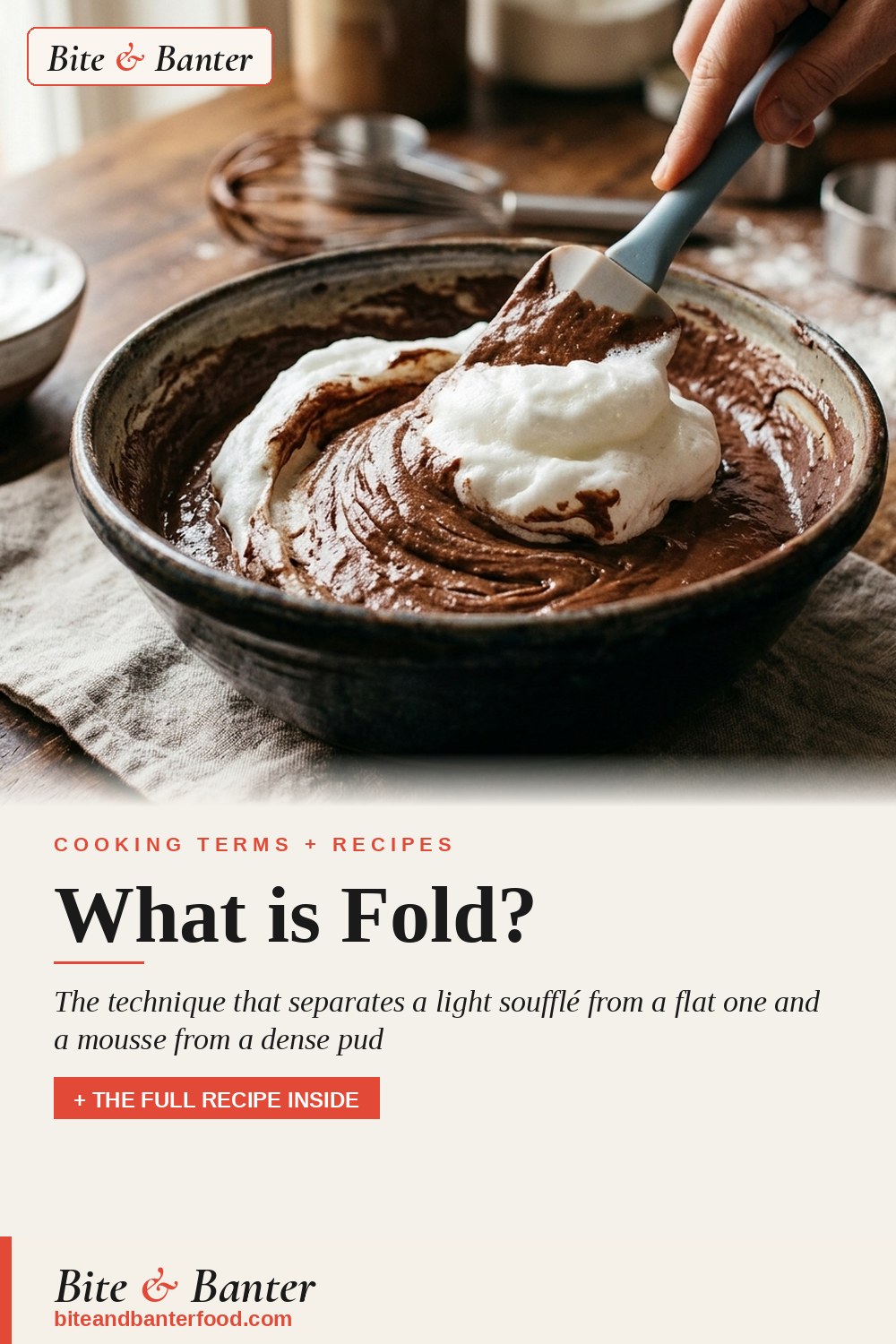
- Sprinkle over the cornflour and vinegar. Fold them in gently with a large metal spoon — two or three deliberate strokes. These two additions are the difference between a meringue and a pavlova. Do not skip them.
- Spoon the meringue onto the circle, building up the edges slightly so there is a shallow well in the centre. It should look generous and imprecise — this is not architecture.
- Place in the oven, immediately reduce the temperature to 120°C (100°C fan), and bake for 1 hour 15 minutes. Turn the oven off and leave the pavlova inside until completely cold. Do not open the door out of curiosity.
- Whip the double cream with the icing sugar to soft, billowing peaks — not stiff, not runny. Spoon it into the centre of the cooled pavlova and pile the fruit on top without overthinking it.
Critical Points — The WOW Factor
Chef's critical points and the wow-factor tagline for this recipe are being written and will appear here soon.
— It will crack slightly as you serve it — this is not failure, it is character, and most great things have both.
From the Bite & Banter Pinterest kitchen