Classic White Tin Loaf
A bread that earns its crust — and requires you to punch it first.
Definition
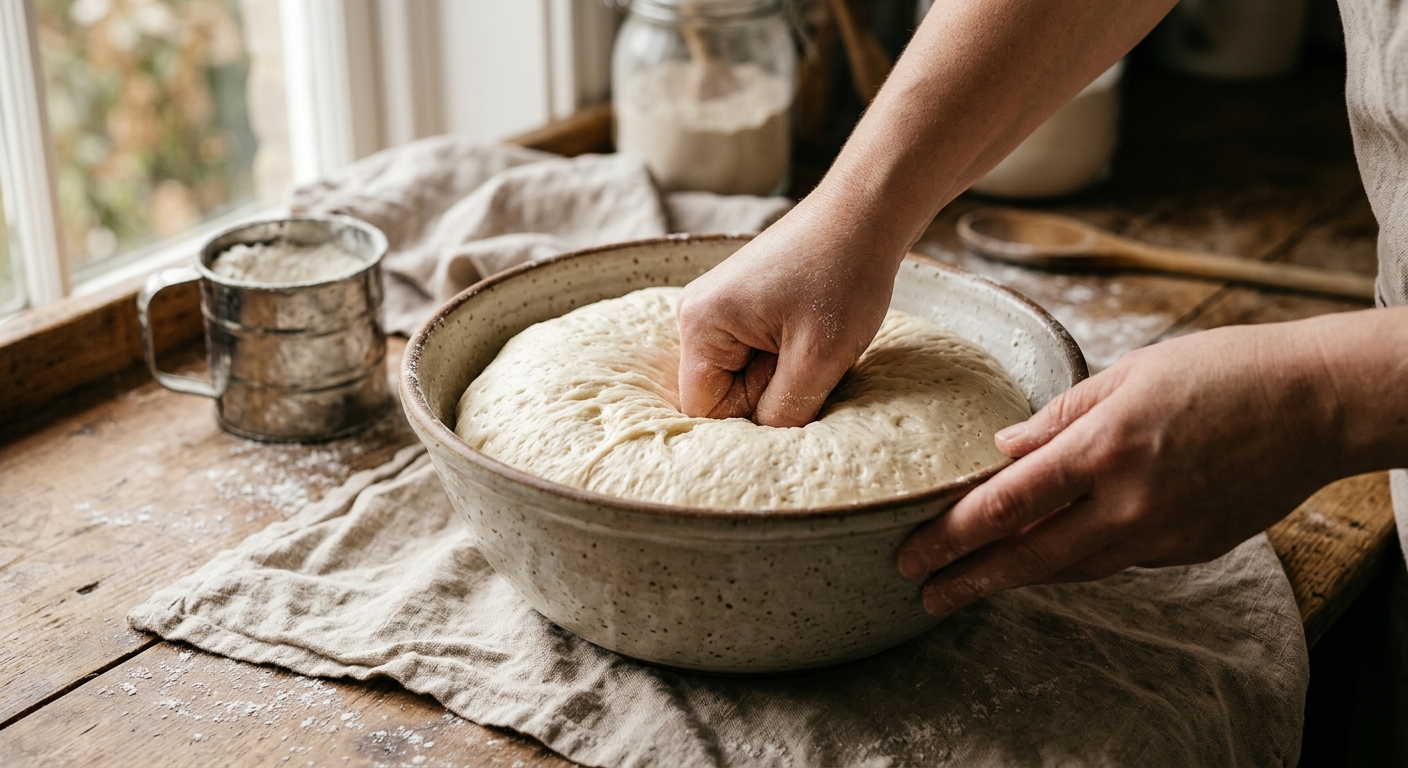
Yeast produces gas bubbles that make dough rise. After the first rise, those bubbles are large and uneven. Knocking back — pressing the dough down firmly with your knuckles — redistributes the yeast, evens out the texture, and gives the bread a better, more consistent final structure. It sounds violent. The dough is fine. It needs this. The second rise after shaping produces the even, well-structured loaf that the first rise alone cannot deliver.
Ingredients
500 g strong white bread flour, plus extra for dusting; 7 g fast-action dried yeast (1 sachet); 10 g fine salt; 15 g unsalted butter, softened; 1 tsp caster sugar; 300 ml warm water (not hot — warm); 1 tbsp neutral oil, for the bowl.
Kitchen Table
A tailored kitchen-material list is being prepared for this recipe.
Method
- Combine the flour, yeast, salt, sugar, and butter in a large bowl. Make a well in the centre, pour in the warm water, and mix to a shaggy dough. Tip it onto a lightly floured surface and knead firmly for 10 minutes — stretching, folding, turning — until the dough is smooth, elastic, and no longer sticky. It should feel alive in your hands. That is the yeast.
- Lightly oil the bowl, return the dough to it, and cover with a clean damp cloth or cling film. Leave somewhere warm — not hot, warm — for roughly 1 hour, or until the dough has doubled in size. Do not rush this. The yeast is working. Leave it alone.
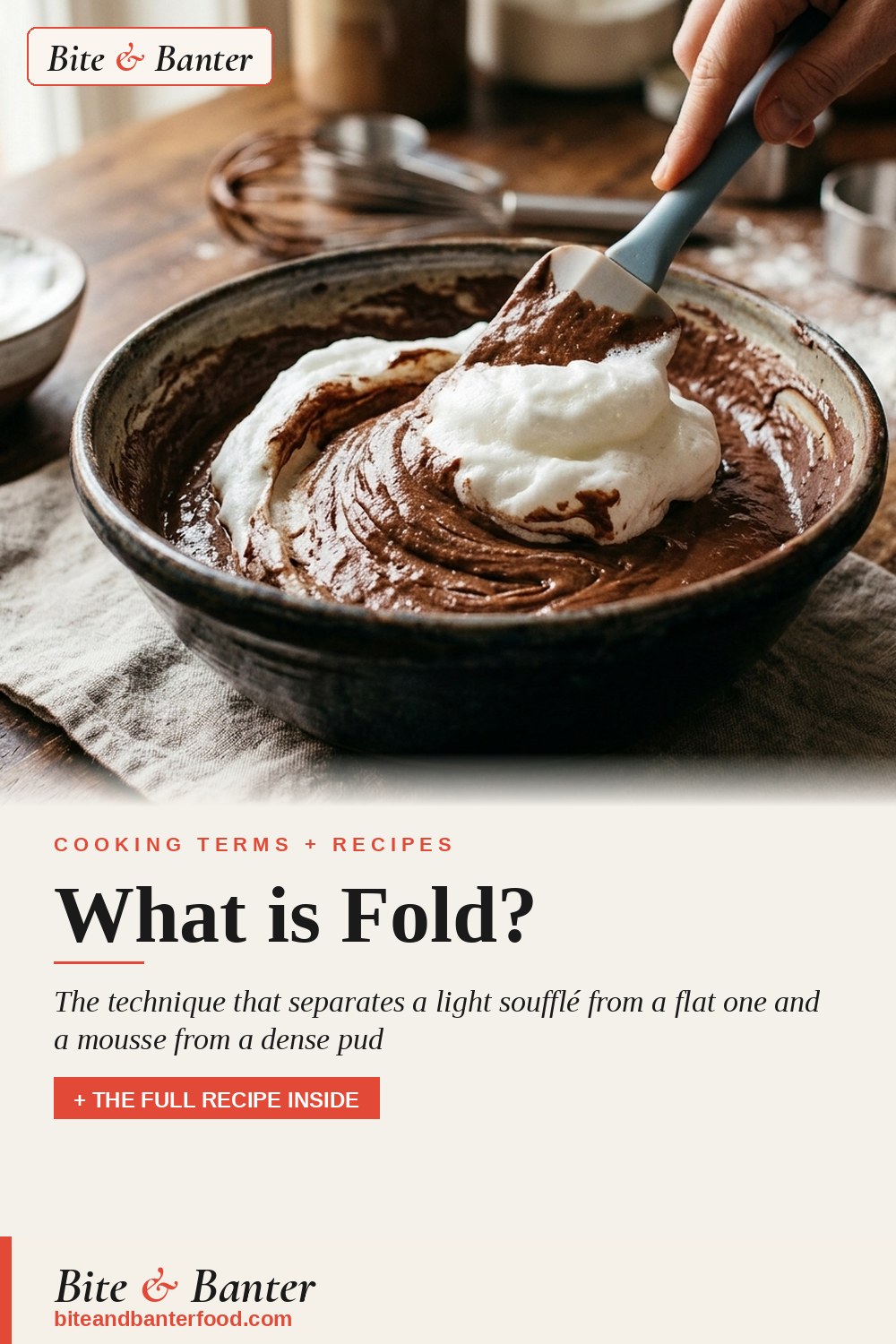
- Now knock it back. Tip the risen dough onto a floured surface, make a loose fist, and press down firmly and repeatedly with your knuckles. Work methodically across the whole surface. The dough will deflate with a satisfying sigh. Those large, uneven gas bubbles — the ones that would give you a loaf full of holes and no structure — are gone. The yeast is redistributed. The texture, when baked, will be even and consistent. This is the point of the whole operation.
- Shape the dough into a tight rectangle roughly the length of your tin. Grease a 900 g loaf tin, place the dough inside seam-side down, and cover again. Leave for a second rise — 45 minutes to 1 hour — until the dough crowns just above the rim of the tin. Preheat your oven to 220°C (200°C fan) during this time.
- Bake for 28 to 32 minutes, until the top is a deep golden brown. Tip the loaf out and tap the base — it should sound hollow. If it does not, return it to the oven for five more minutes without the tin. Cool on a wire rack for at least 20 minutes before cutting. A warm loaf sliced too soon is a collapsed loaf. You have come this far.
Critical Points — The WOW Factor
Chef's critical points and the wow-factor tagline for this recipe are being written and will appear here soon.
— The dough needed that — and if you are honest, you probably did too.
From the Bite & Banter Pinterest kitchen