Coddled Eggs with Cream and Chives
Barely cooked, barely restrained — and entirely the point

Definition
A coddled egg is barely set — the white soft, the yolk warm and runny. It’s more refined than a boiled egg and gentler than a poached one. The technique requires patience and low heat. Fruit can be coddled too, keeping its shape while softening.
Ingredients
4 large eggs, very fresh; 4 tsp double cream; 20 g unsalted butter, softened; 1 tbsp fresh chives, finely snipped; to taste flaky sea salt and white pepper; 4 slices good bread, toasted and buttered.
Kitchen Table
A tailored kitchen-material list is being prepared for this recipe.
Method
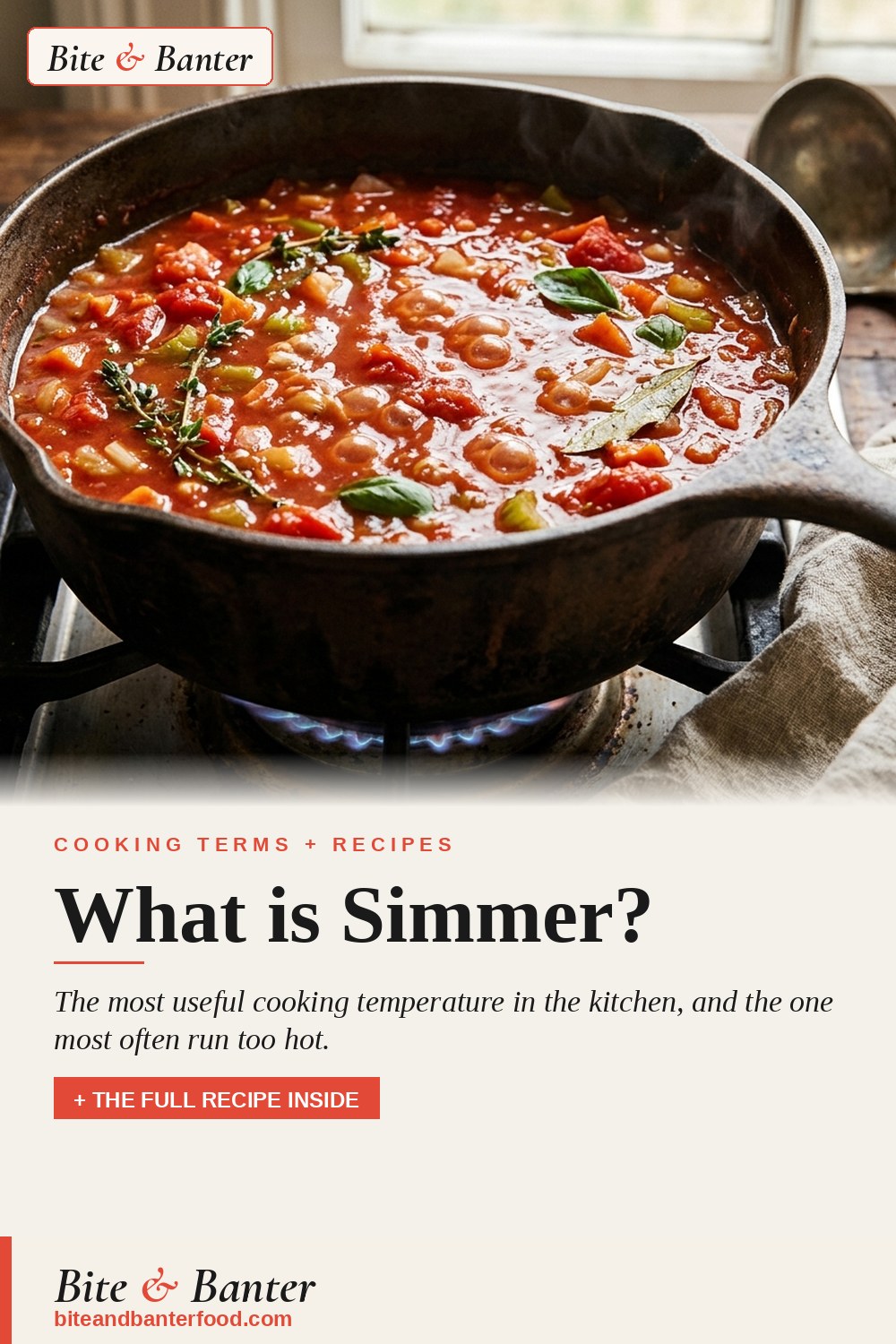
- Bring a saucepan of water to a gentle simmer — not a rolling boil, not a hopeful suggestion. You want small, lazy bubbles breaking the surface and nothing more.
- Butter the insides of two coddling jars or small heatproof ramekins generously. This is not optional. The egg will remind you if you skip it.
- Crack two eggs into each jar. Spoon a teaspoon of cream over each yolk, then season with salt and white pepper. Scatter the chives over the top.
- Screw the lids on loosely if using coddling jars, or cover ramekins with a small square of foil. Lower them carefully into the simmering water — it should come roughly halfway up the sides of the jars.
- Cook for 10 to 12 minutes. The whites should be just set — trembling at the edges but no longer translucent. The yolk stays warm and yielding. If you want a firmer result, add two minutes. If you want a different breakfast entirely, that is your own affair.
- Lift the jars out with tongs or a cloth. Serve immediately, directly in the jar, with the buttered toast alongside for dragging through everything.
Critical Points — The WOW Factor
Chef's critical points and the wow-factor tagline for this recipe are being written and will appear here soon.
— Coddling is the culinary equivalent of handling something precious — the egg knows the difference, and so will you.
From the Bite & Banter Pinterest kitchen