Dark Chocolate Buttermilk Cake
A recipe that earns its chemistry lesson

Definition
It is stronger than baking powder, but it cannot work on its own. It needs something acidic — buttermilk, yoghurt, lemon juice, or vinegar — to trigger the bubbles that make things rise. It also neutralises acidity, which is why it makes chocolate cake taste less sharp and more rounded. Do not swap it for baking powder without adjusting the recipe.
Ingredients
200 g plain flour; 75 g good-quality cocoa powder; 1 tsp baking soda; 200 g caster sugar; 240 ml buttermilk; 120 ml neutral oil, such as sunflower; 2 large eggs; 1 tsp vanilla extract.
Kitchen Table
A tailored kitchen-material list is being prepared for this recipe.
Method
- Heat your oven to 180°C. Grease a 23 cm round cake tin and line the base with baking paper.
- Sift the flour, cocoa, baking soda, and sugar into a large bowl. Note that the baking soda is doing two things here — it will rise the cake and it will soften the sharpness of the cocoa. This is not an accident.
- In a separate bowl or jug, whisk together the buttermilk, oil, eggs, and vanilla. The buttermilk is the acid the baking soda needs. Without it, you have a flat, bitter cake. With it, you have something worth making again.
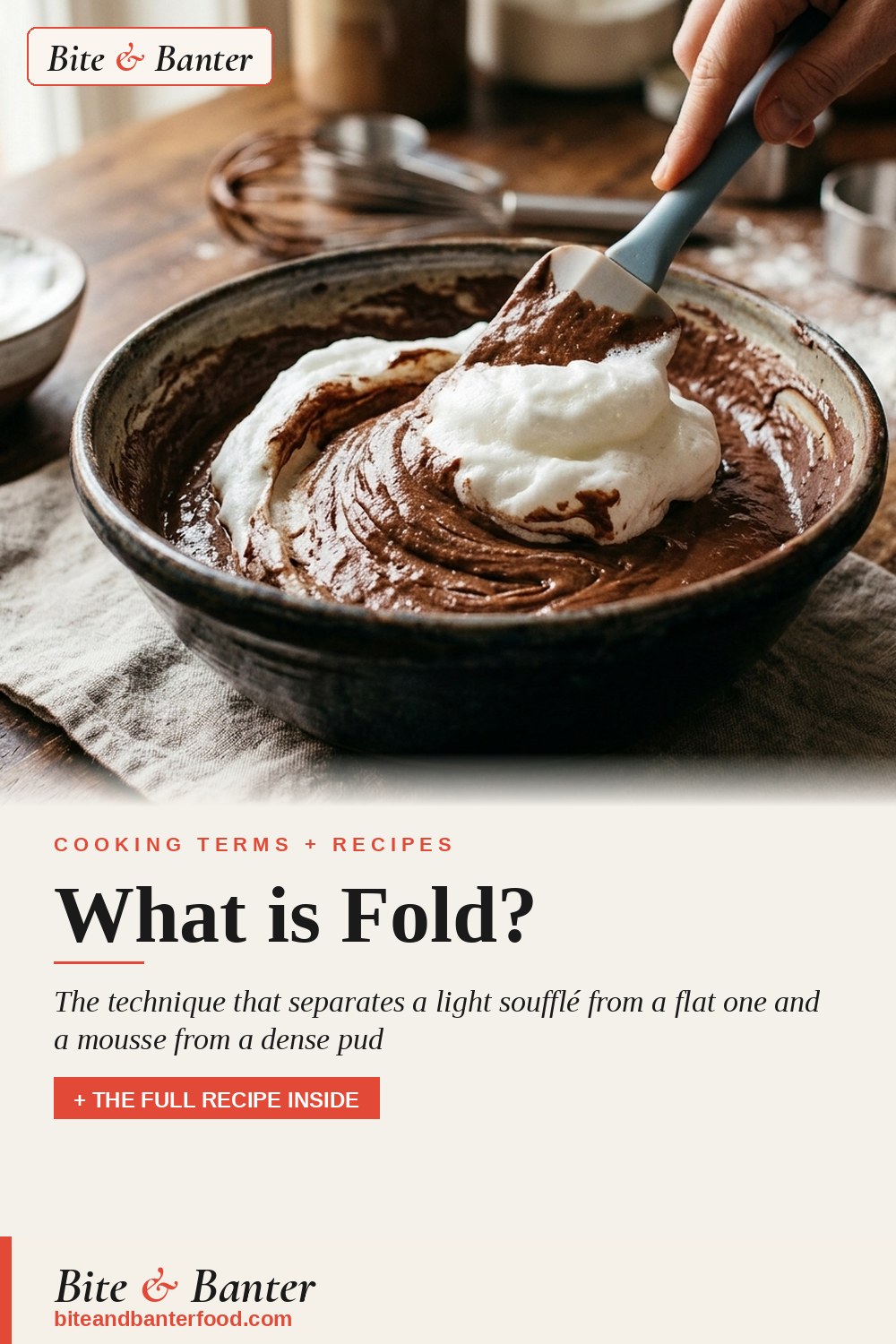
- Pour the wet ingredients into the dry and fold together until just combined — no streaks of flour, but do not overwork it. Stop when it looks smooth.
- Pour the batter into the prepared tin and bake for 32 to 35 minutes. A skewer inserted into the centre should come out clean, or with a crumb or two. Nothing wet.
- Leave the cake to cool in the tin for 10 minutes, then turn it out onto a wire rack. It will be deeply coloured, faintly domed, and considerably more chocolatey in flavour than its ingredients entirely deserve.
Critical Points — The WOW Factor
Chef's critical points and the wow-factor tagline for this recipe are being written and will appear here soon.
— Baking soda has been quietly doing this for centuries — it simply never asked for credit.
From the Bite & Banter Pinterest kitchen