Fettuccine Alfredo
The Roman original — butter, Parmesan, confidence, and nothing else
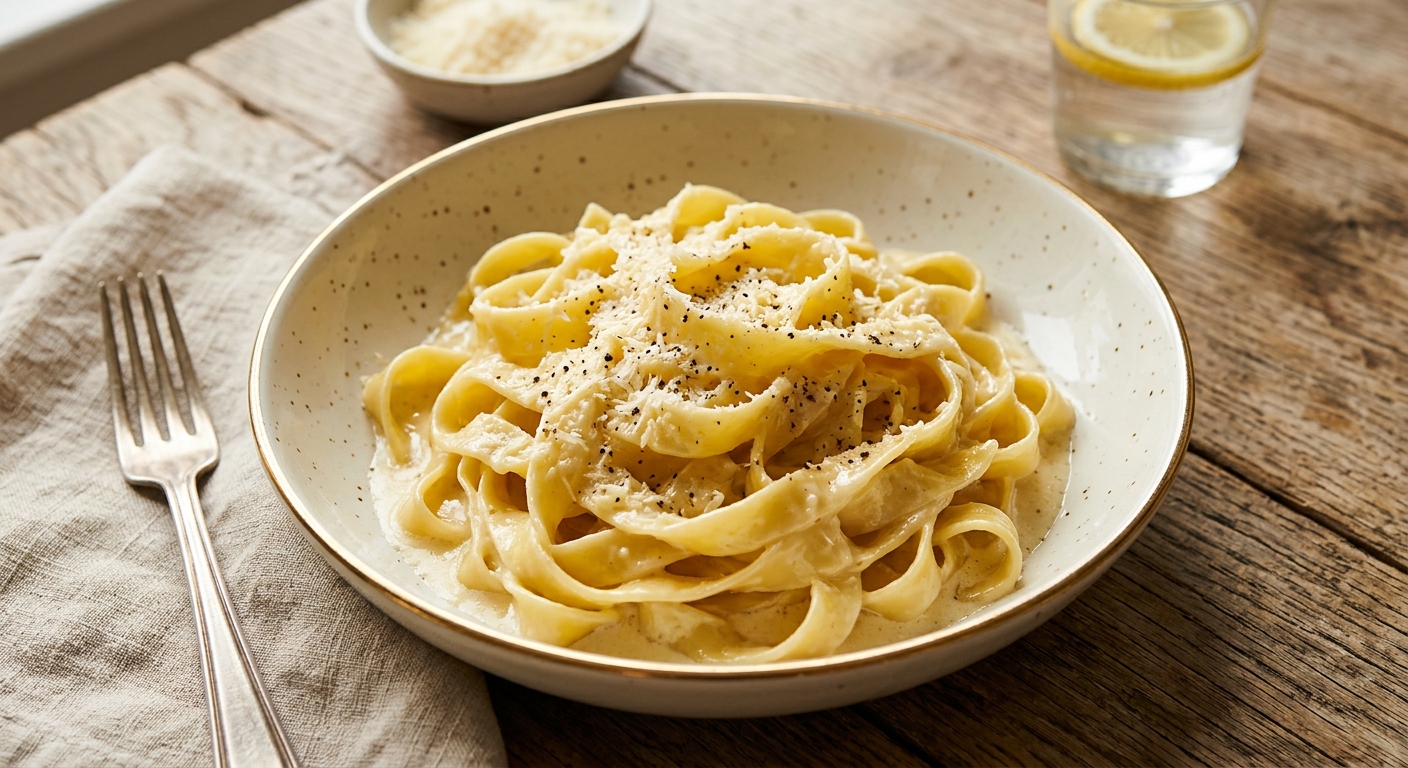
Definition
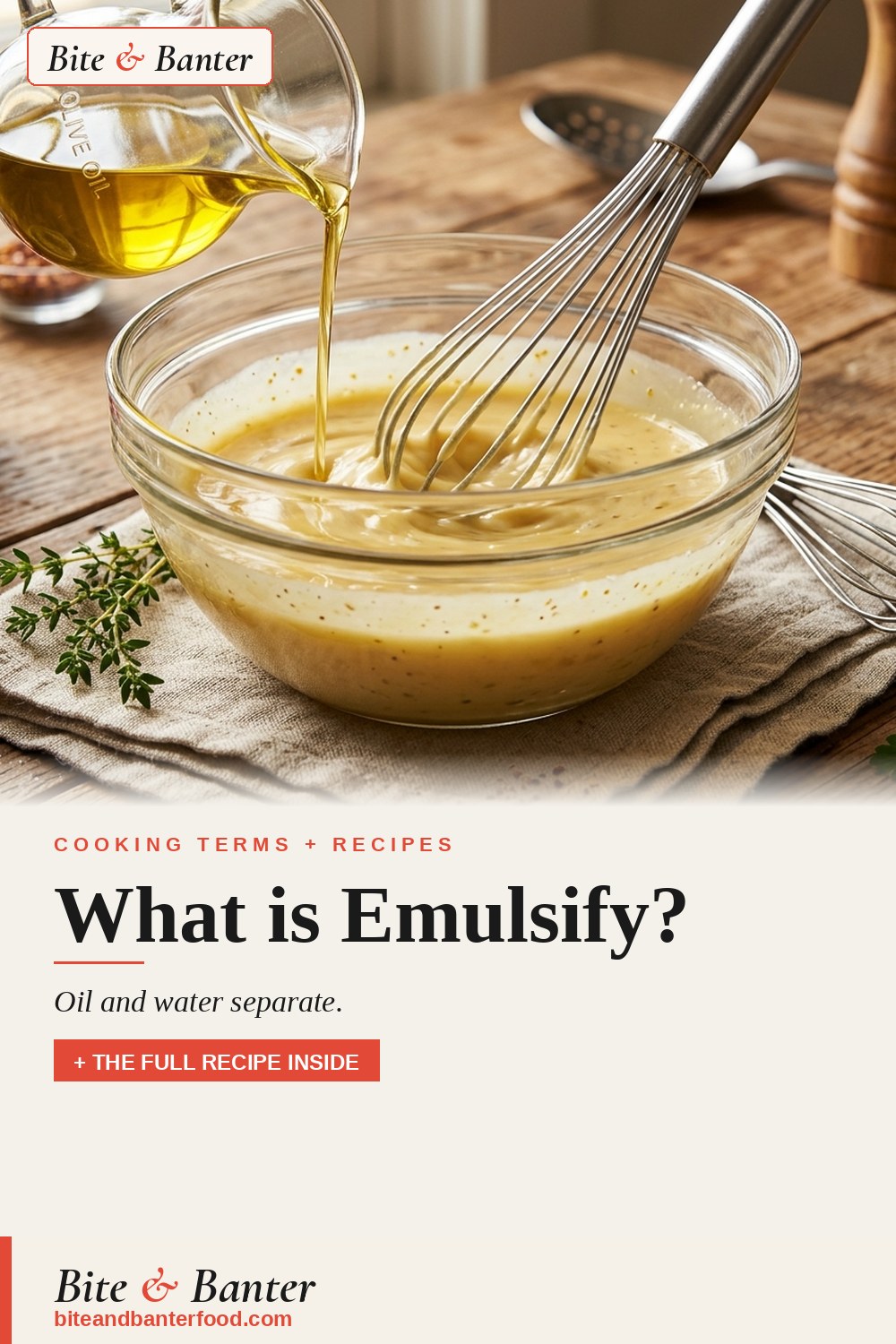
In Rome, where it originated, Alfredo is just butter and parmesan tossed with hot pasta until they emulsify into a glossy, coating sauce — no cream, no flour, nothing else. Outside Italy, it acquired cream, which makes it richer and easier to reproduce, but further from the original. Either version is deeply comforting. The Roman version requires good butter, good Parmesan, and confidence. The cream version is more forgiving.
Ingredients
300 g fresh fettuccine, or 200 g dried; 80 g unsalted butter, very good quality, cut into small cubes; 100 g Parmigiano-Reggiano, very finely grated — not dusty, not pre-packed; 1 tsp fine sea salt, for the pasta water; a little reserved pasta water, hot.
Kitchen Table
A tailored kitchen-material list is being prepared for this recipe.
Method
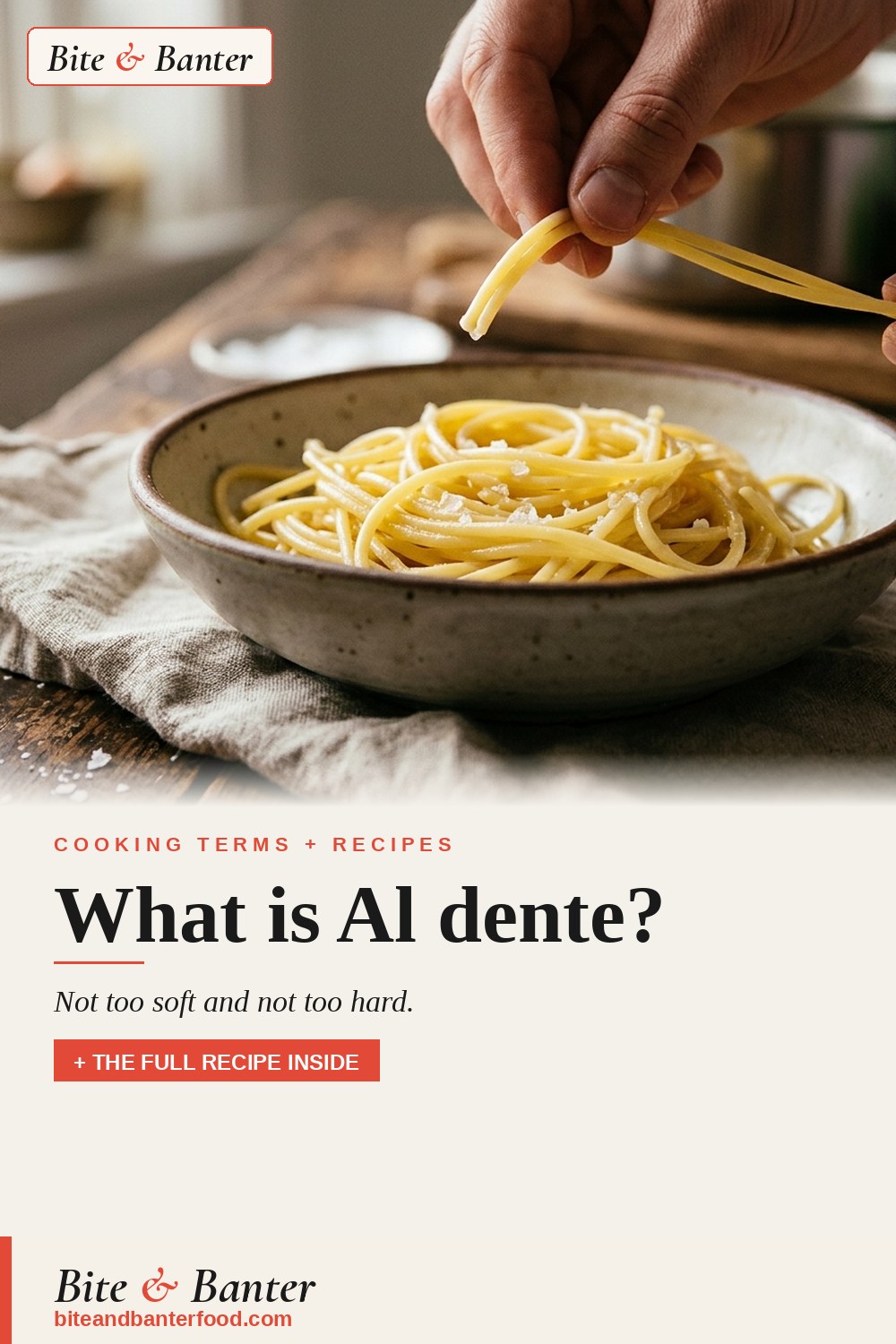
- Bring a large pot of water to a rolling boil. Salt it generously — it should taste of the sea. Cook the fettuccine until just al dente. Reserve a mugful of the cooking water before you drain anything.
- While the pasta cooks, place the butter in a wide, warmed serving bowl or shallow pan. The warmth matters — cold surfaces are the enemy of emulsification.
- Drain the pasta, keeping it slightly wet. Add it immediately to the butter and begin tossing. The heat of the pasta will melt the butter around every strand.
- Add the Parmesan in two or three additions, tossing continuously. Add pasta water — a splash at a time — to loosen and encourage the sauce to become glossy and cohesive rather than greasy or clumped.
- Keep tossing for a full minute. This is not optional. The emulsification happens through movement, heat, and starchy water working together. Stop too soon and you have buttered pasta. Carry on and you have Alfredo.
- Serve immediately in warm bowls. Add a final grating of Parmesan at the table. Do not add cream, garlic, or anything else. You have already arrived.
Critical Points — The WOW Factor
Chef's critical points and the wow-factor tagline for this recipe are being written and will appear here soon.
— Alfredo di Lelio invented this dish for his pregnant wife in 1908 — proof that the greatest acts of culinary restraint are always performed for someone else.
From the Bite & Banter Pinterest kitchen