Mashed Potato Done Properly
The food mill is not optional. It is the point.

Definition
The tool that gives mashed potatoes a specific texture that a blender cannot produce. A blender breaks down the potato's starch structure, making it gluey. A food mill pushes it through a disc, producing something light and fluffy. The same logic applies to tomato sauce — a food mill separates the flesh from the seeds and skin without any blending, leaving a smooth sauce with a clean flavour.
Ingredients
1.2 kg floury potatoes, such as Maris Piper or King Edward, unpeeled; 100 g unsalted butter, cut into cubes; 150 ml whole milk, warmed; 1 tsp fine salt, plus more for the cooking water; a little white pepper; a scraping whole nutmeg, freshly grated.
Kitchen Table
A tailored kitchen-material list is being prepared for this recipe.
Method
- Place the unpeeled potatoes in a large pot of well-salted cold water. Bring to the boil and cook until completely tender — a knife should pass through with no resistance at all. This takes roughly 20 to 25 minutes depending on size. Do not rush it.
- Drain thoroughly and leave to steam-dry in the colander for two minutes. This is not decorative. Wet potatoes make watery mash.
- Set the food mill over your pot or a large bowl. Working quickly while the potatoes are still hot, pass them through the medium disc. The skins will stay behind in the mill. Remove them as you go. Hot potatoes pass through easily — cold ones resist and suffer for it.
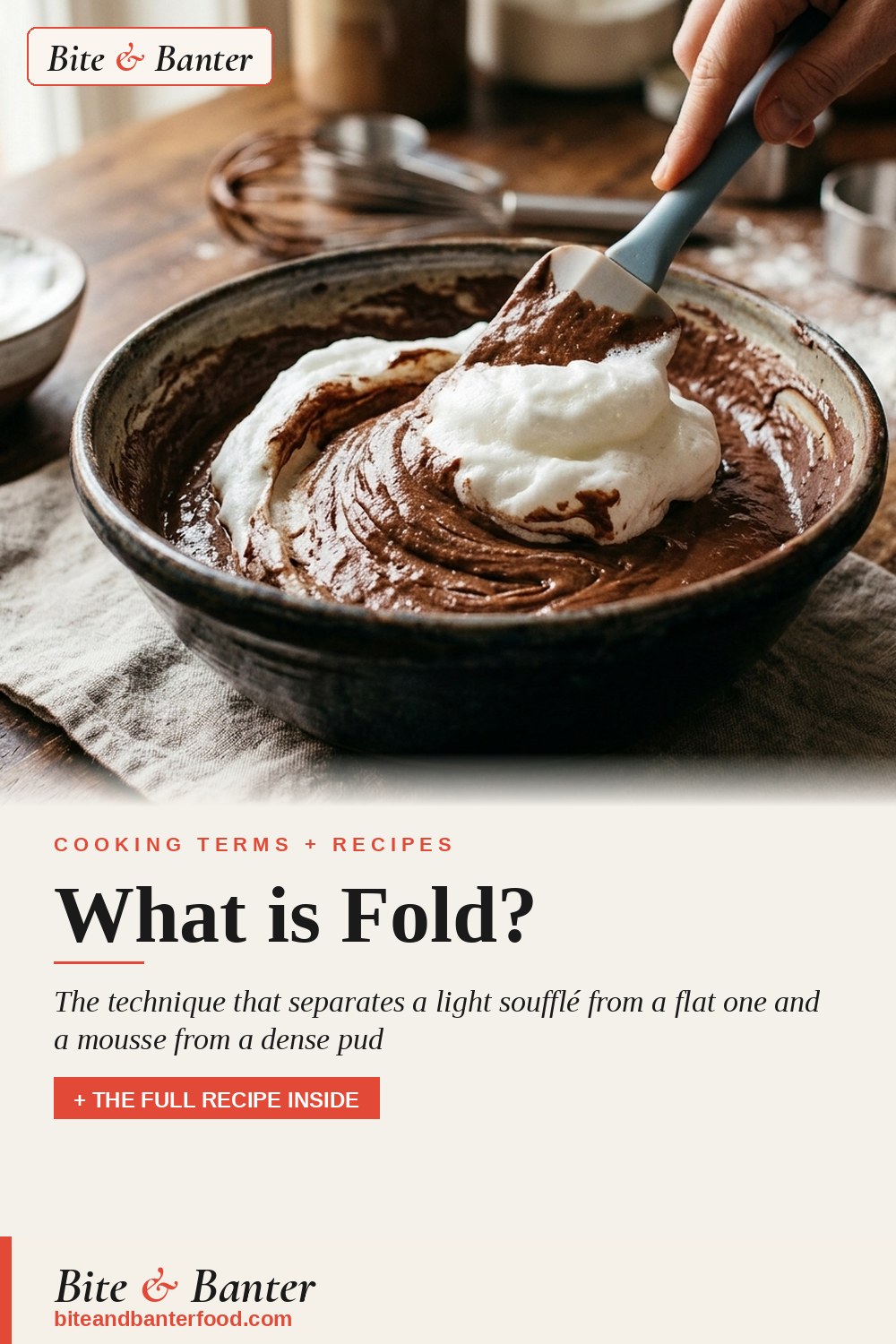
- Return the milled potato to the pot over a very low heat. Add the butter a few cubes at a time, folding it in with a spatula or wooden spoon. Do not whisk. Do not use a blender. You are not making wallpaper paste.
- Pour in the warm milk gradually, folding as you go, until the mash reaches a soft, billowing consistency. Season with salt, white pepper, and a little nutmeg. Taste it properly before you serve it.
Critical Points — The WOW Factor
Chef's critical points and the wow-factor tagline for this recipe are being written and will appear here soon.
— A blender would have done all of this faster and produced something considerably worse — a lesson the food mill has been quietly teaching for centuries.
From the Bite & Banter Pinterest kitchen