Moules Marinières
Five minutes of heat, one very good reason to buy more bread
Definition
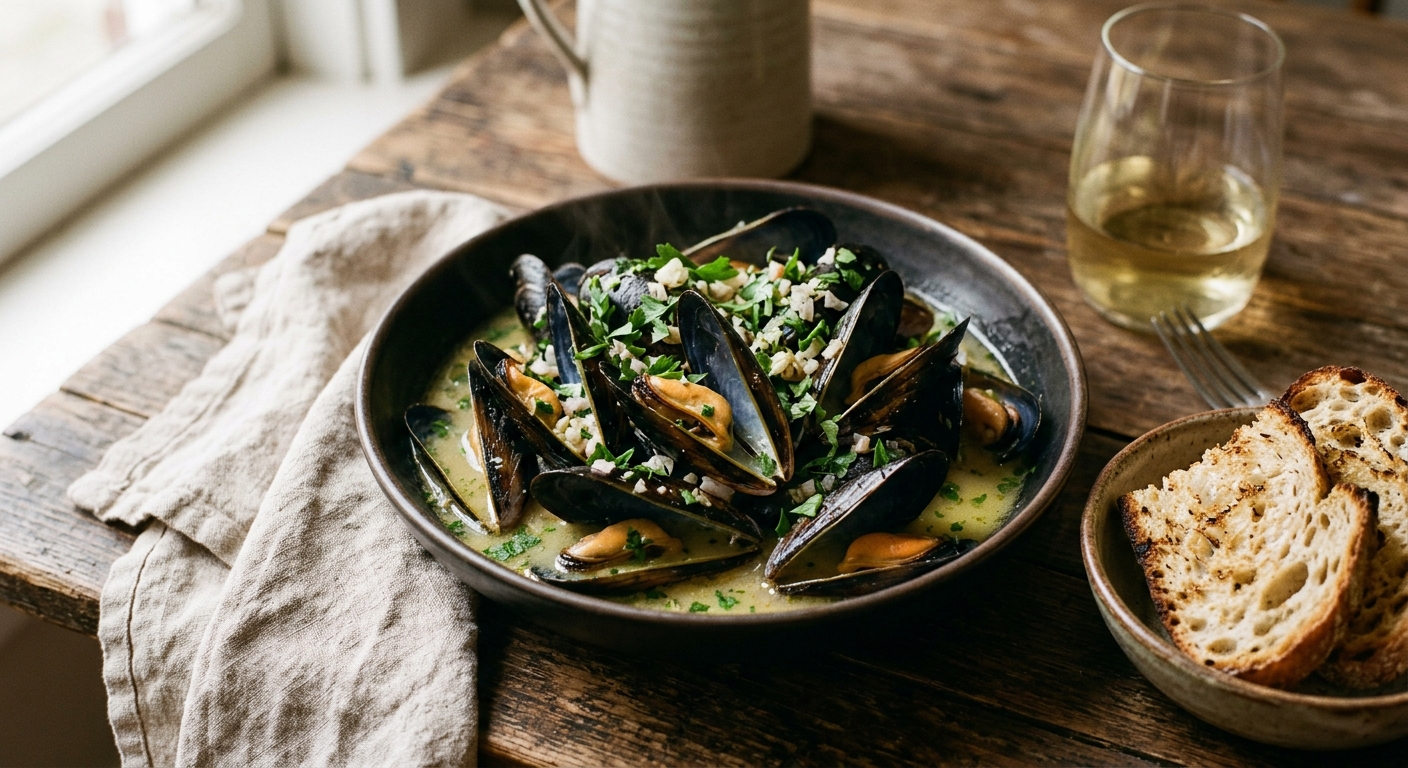
One of the best arguments for simple cooking. Mussels need about five minutes once the wine hits the pan. The liquid they release as they open combines with the wine and aromatics into something briny, fragrant, and deeply good — far more than the sum of its parts. Discard any that do not open. Eat the rest with good bread and use the bread to mop the bowl clean afterward. This is not optional.
Ingredients
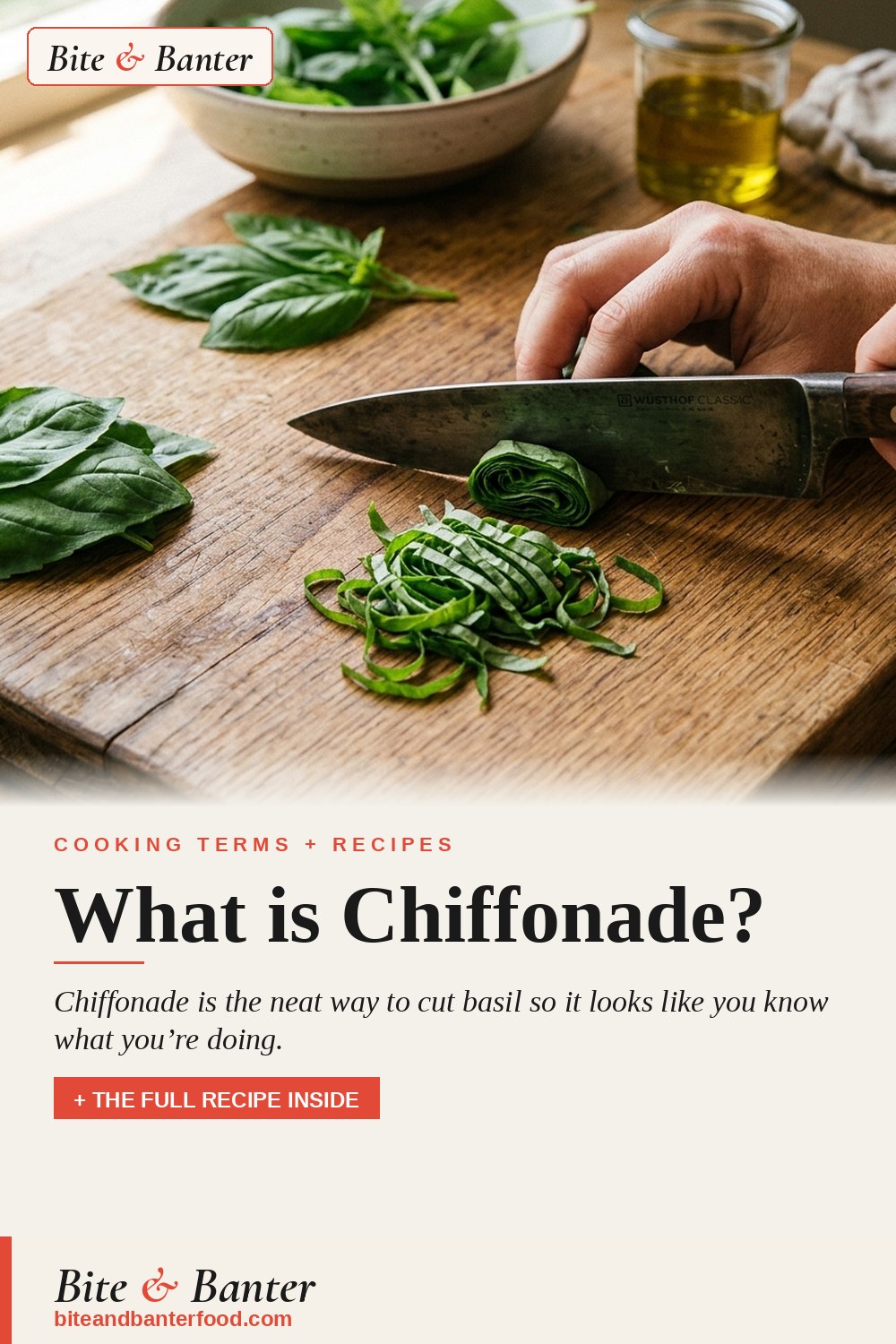
1 kg fresh mussels, scrubbed and debearded; 3 shallots, finely chopped; 3 cloves garlic, finely sliced; 200 ml dry white wine; 30 g unsalted butter; a large handful flat-leaf parsley, roughly chopped; to serve crusty white bread, thickly sliced.
Kitchen Table
A tailored kitchen-material list is being prepared for this recipe.
Method
- Discard any mussels that are already open and do not close when tapped firmly on the counter. They are not sleeping. They are gone.
- Melt the butter in a large, wide pot over a medium-high heat. Add the shallots and cook for two minutes until softened. Add the garlic and cook for one minute more — fragrant, not browned.
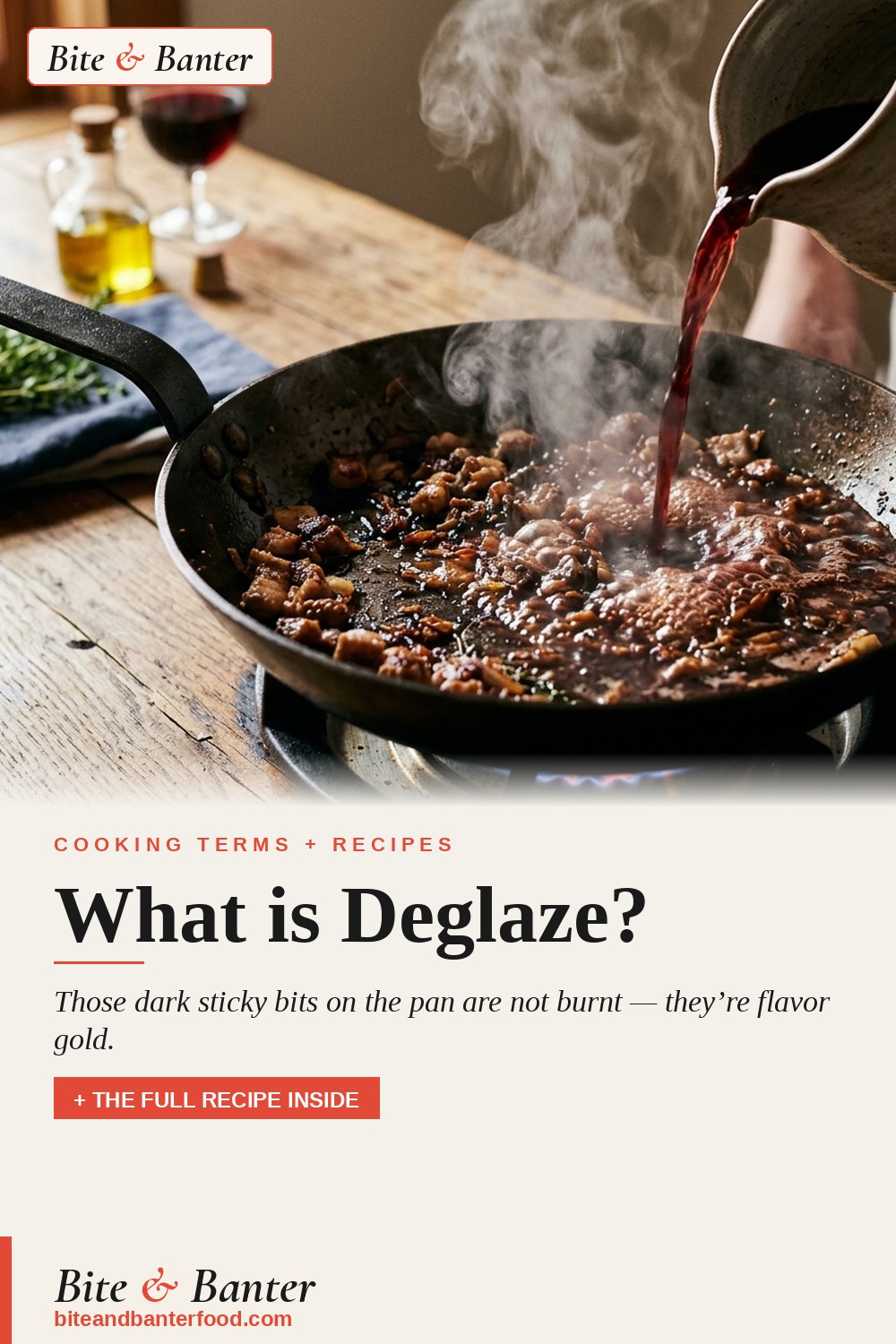
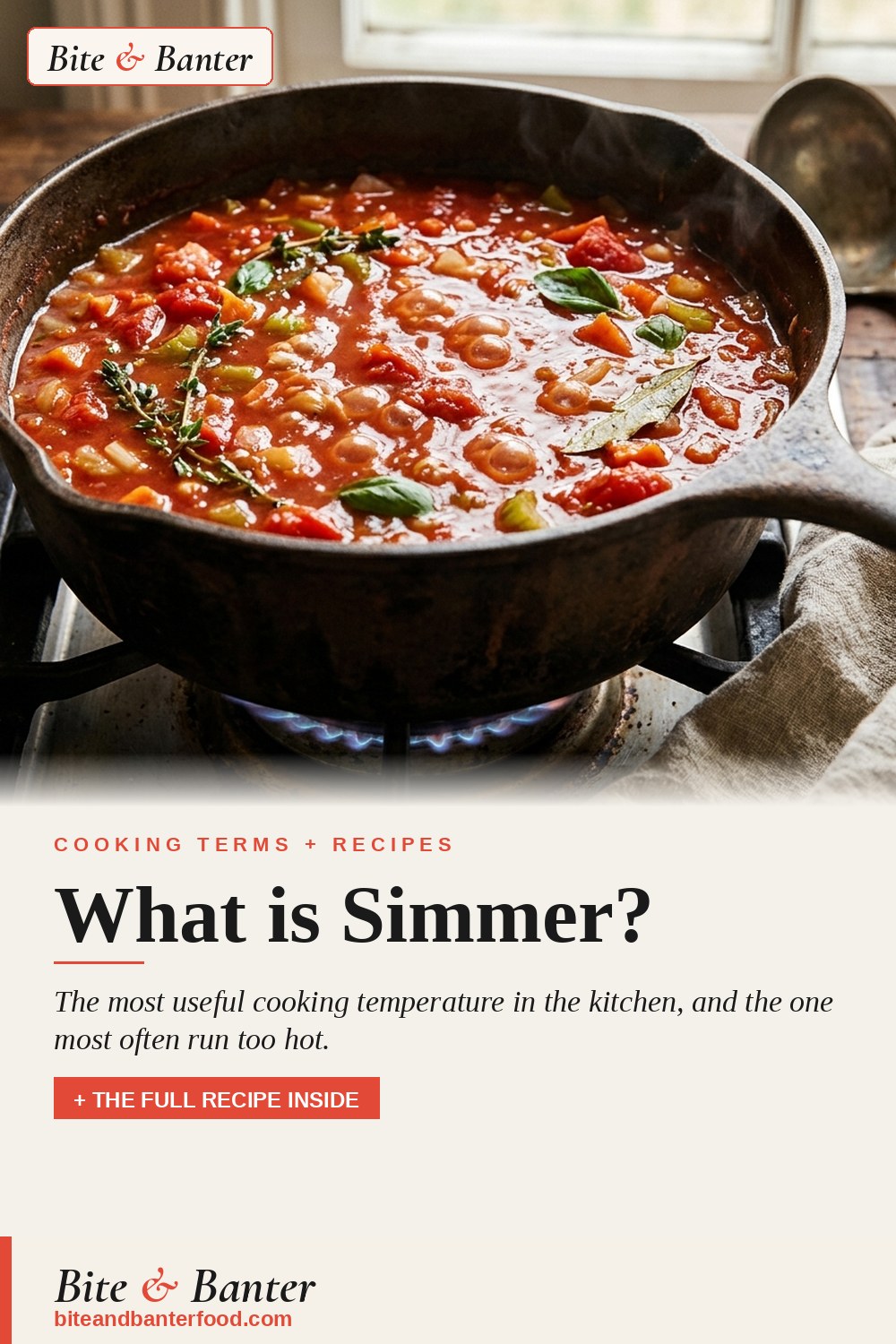
- Pour in the white wine and bring it to a vigorous simmer. Let it bubble for a minute so the alcohol loses its edge.
- Tip in all the mussels at once. Clamp on the lid. Cook over a high heat for four to five minutes, shaking the pot once or twice so the mussels at the bottom rotate upward and everything cooks evenly.
- Lift the lid. Every mussel should be open. Any that remain stubbornly shut — discard them without sentiment.
- Scatter over the parsley, give the pot one last shake, and ladle everything into deep warmed bowls. Pour the cooking liquor over generously. It is the point of the dish.
- Bring the bread to the table immediately. The bowl-mopping is not an afterthought — it is the second course.
Critical Points — The WOW Factor
Chef's critical points and the wow-factor tagline for this recipe are being written and will appear here soon.
— Simple cooking has nothing to prove, which is precisely why it always wins.
From the Bite & Banter Pinterest kitchen