Pad Thai with Prawns
The dish that proves fish sauce was right all along.

Definition
It smells alarming from the bottle. Used properly in cooking, it adds a deep, savoury complexity that is impossible to replicate with anything else. It is the umami backbone of pad thai, the seasoning in Vietnamese dipping sauces, the secret in many a Southeast Asian curry. Do not smell it and decide against it — add a small amount to whatever you are cooking and taste the result. The fishiness disappears, and something deeply savoury takes its place.
Ingredients
200 g flat rice noodles; 250 g raw king prawns, peeled and deveined; 3 tbsp fish sauce; 2 tbsp tamarind paste; 1 tbsp palm sugar or soft brown sugar; 2 eggs, lightly beaten; 3 spring onions, sliced; 50 g roasted peanuts, roughly crushed; 2 tbsp neutral oil.
Kitchen Table
A tailored kitchen-material list is being prepared for this recipe.
Method
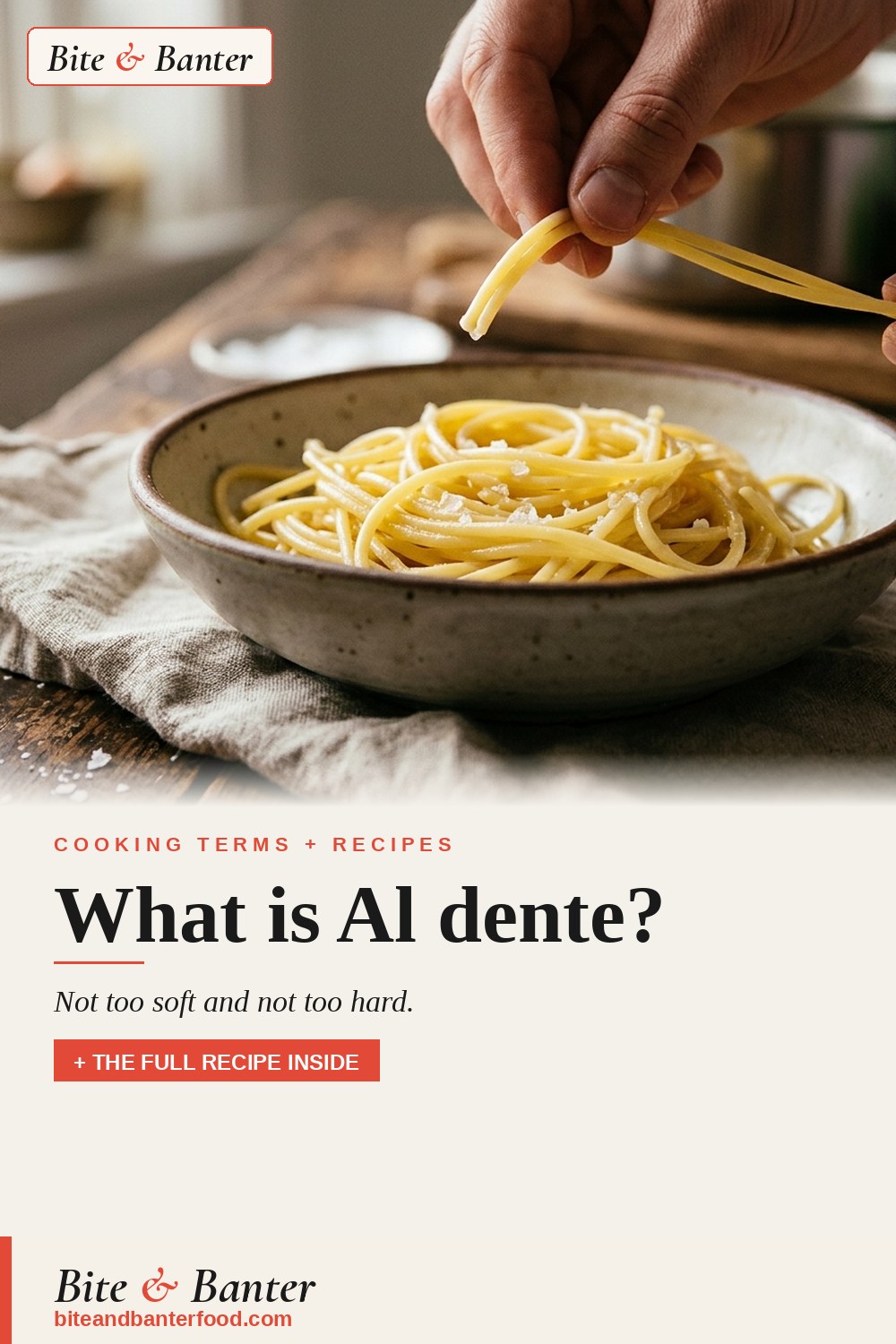
- Soak the rice noodles in cold water for 20 minutes, then drain. They should be pliable but not soft — they will finish cooking in the wok.
- Mix the fish sauce, tamarind paste, and sugar together in a small bowl. Taste it. It will be intense — sharp, salty, deeply savoury. That is precisely the point. Set it aside.
- Heat the oil in a wok over the highest flame you can manage. Add the prawns and cook for 90 seconds, turning once, until just pink. Push them to the side.
- Pour the beaten eggs into the cleared space. Let them set for a moment, then scramble them loosely and fold them into the prawns.
- Add the drained noodles and pour over the sauce. Toss everything together with tongs or a pair of chopsticks, keeping the heat high. The noodles should absorb the sauce — not simmer in it.
- Add the spring onions, toss once more, and divide between two plates. Scatter the crushed peanuts over the top. Serve immediately, with lime wedges alongside if you have them.
Critical Points — The WOW Factor
Chef's critical points and the wow-factor tagline for this recipe are being written and will appear here soon.
— If you are still suspicious of the bottle in the cupboard, consider that it has been improving food across Southeast Asia for centuries — largely without your endorsement.
From the Bite & Banter Pinterest kitchen