Rendered Duck Legs with Roasted Shallots
Patience rewarded in fat and gold

Definition
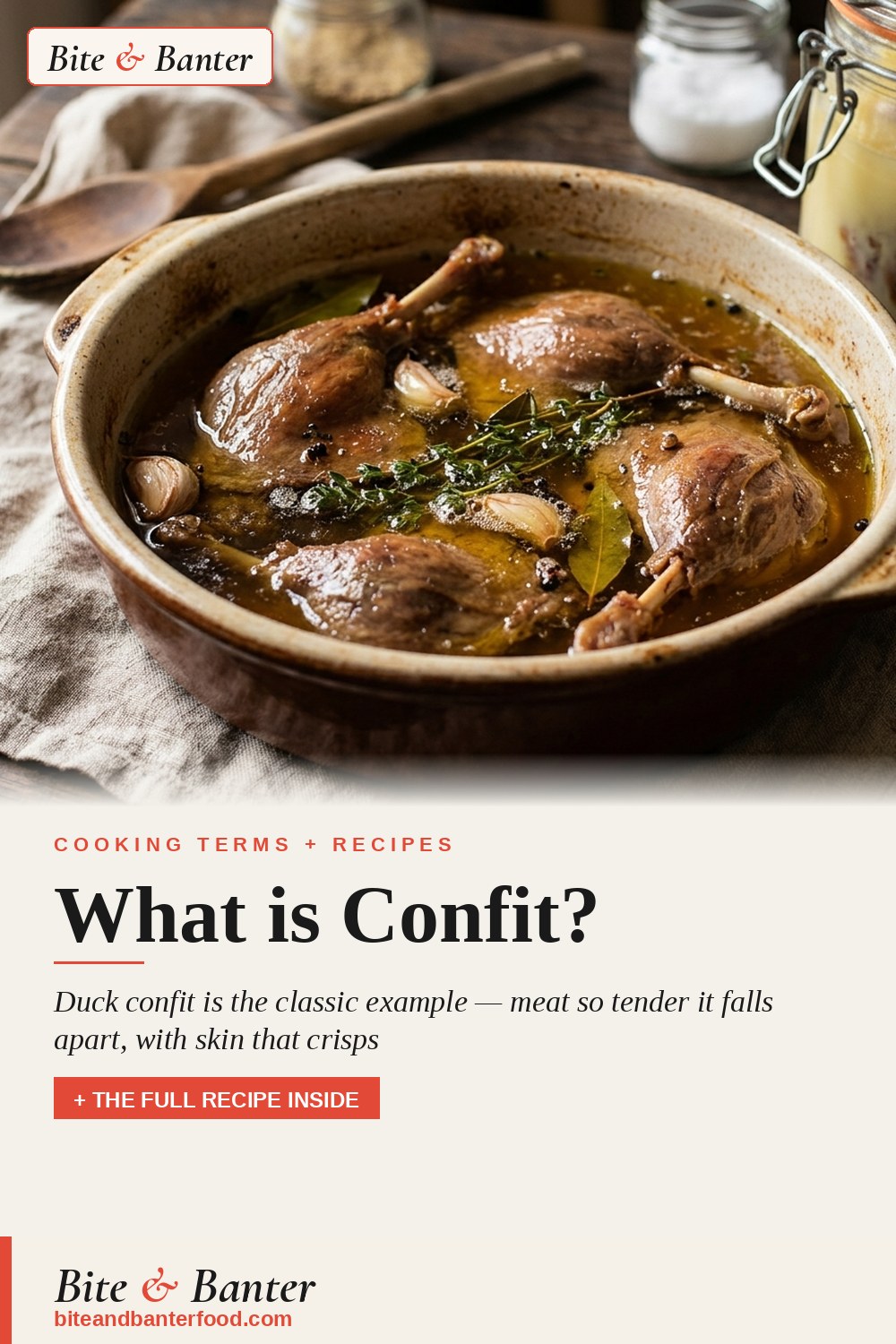
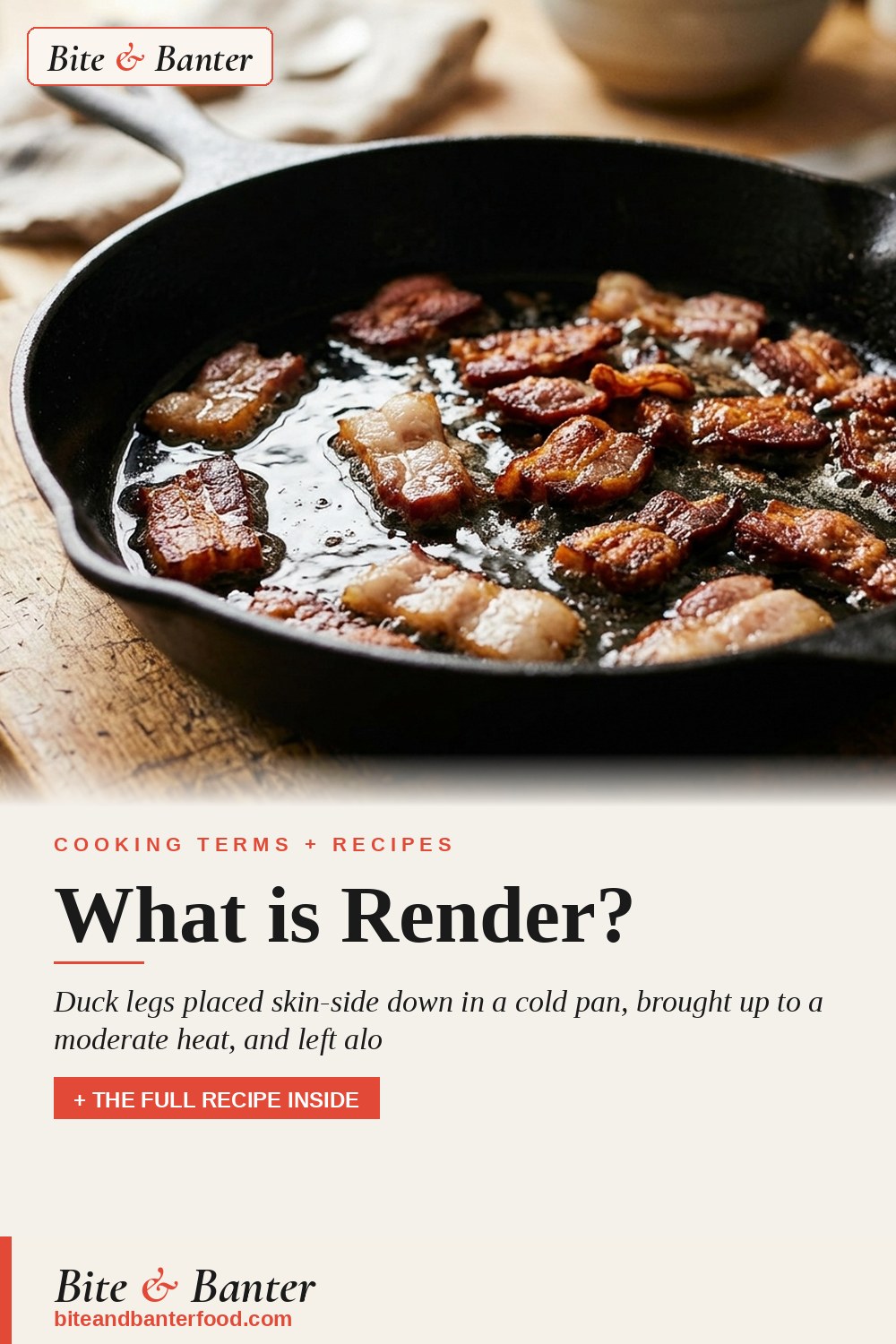
Duck legs placed skin-side down in a cold pan, brought up to a moderate heat, and left alone while the fat melts out gradually — this is rendering. The fat that was solid and thick becomes liquid, the pale skin becomes golden and crisp, and what remains is concentrated flavour rather than excess grease. Pork crackling, crispy bacon, golden duck skin — all the result of rendering done properly. Too much heat and the outside burns before the fat renders.
Ingredients
2 duck legs, skin-on, patted thoroughly dry; 8 banana shallots, peeled and halved lengthways; 4 sprigs of fresh thyme; 2 tsp flaky sea salt; 1 tsp black pepper, coarsely ground; 1 tbsp red wine vinegar; 1 tsp honey.
Kitchen Table
A tailored kitchen-material list is being prepared for this recipe.
Method
- Score the duck skin lightly with a sharp knife — three or four diagonal cuts, not deep enough to reach the flesh. Season generously with salt and pepper on both sides. Do this at least ten minutes before cooking, or the night before if you have the foresight.
- Place the duck legs skin-side down in a cold, heavy-based frying pan. Do not add oil. Do not add heat yet. Now turn the heat to medium-low and leave them. This is the render — the fat needs time to melt out gradually from beneath the skin. Rushing it with high heat solves nothing and ruins everything.
- Cook undisturbed for 20 to 25 minutes. The fat will pool visibly around the legs. The skin will turn from pale and flabby to golden and taut. When it is deep amber and crisp to a gentle press, the rendering is done. Remove the legs and set aside skin-side up.
- Pour off most of the rendered fat into a small jar — keep it, it is extremely good for roasting potatoes. Leave just enough to coat the pan.
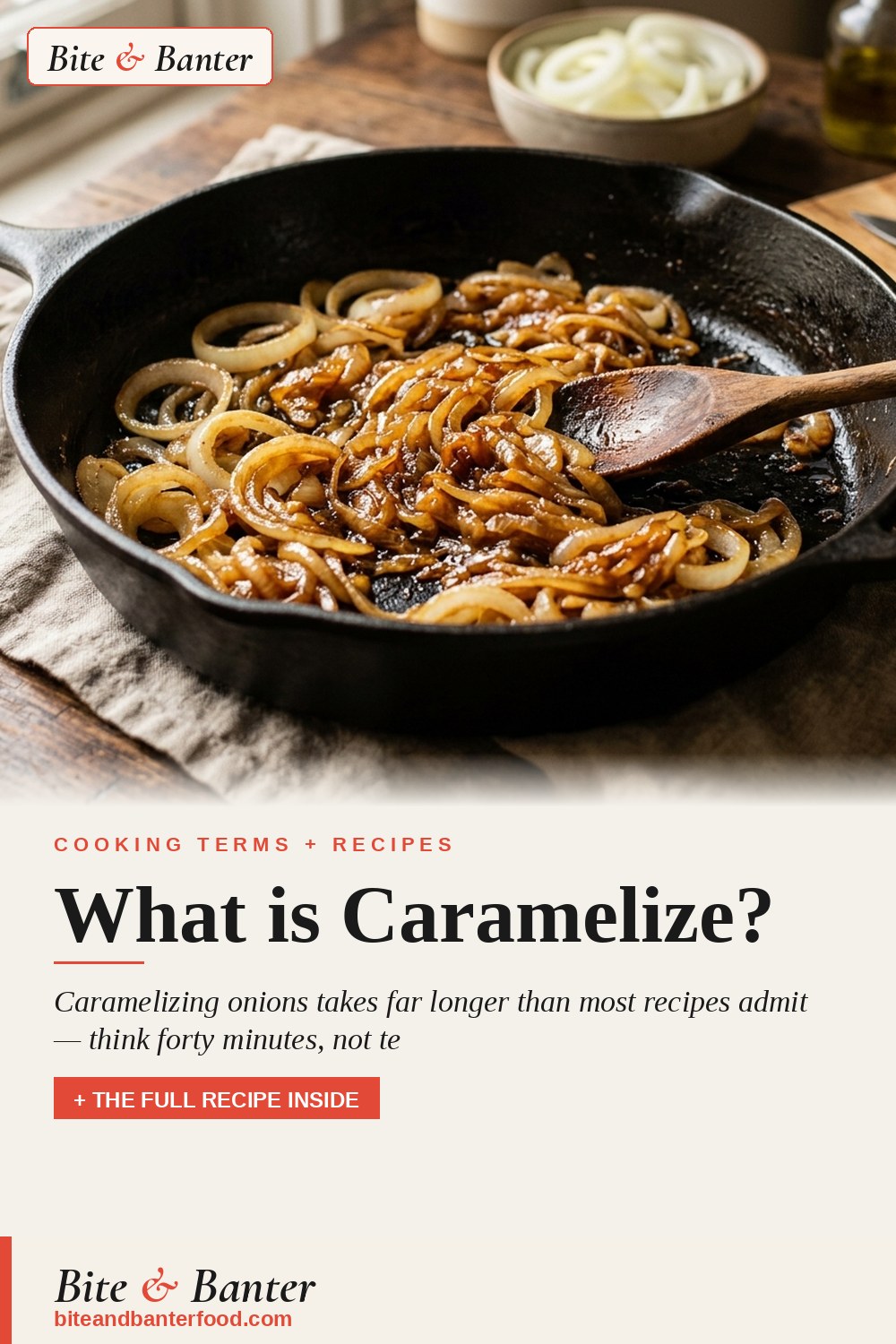
- Add the shallots cut-side down to the pan over medium heat. Tuck in the thyme sprigs. Cook for 8 minutes without moving them, until the cut faces are deeply caramelised. Turn the shallots, return the duck legs skin-side up on top, and transfer the entire pan to an oven preheated to 180°C.
- Roast for 20 minutes, until the duck is cooked through and the skin remains crisp. Remove from the oven. Lift out the duck and shallots and rest on a warm plate.
- Set the pan over medium heat, add the red wine vinegar and honey, and scrape up any caramelised bits. Let it reduce for a minute into a thin, sharp glaze. Spoon over the shallots. Serve the duck alongside with the skin facing up — it has worked too hard to be hidden.
Critical Points — The WOW Factor
Chef's critical points and the wow-factor tagline for this recipe are being written and will appear here soon.
— The fat you patiently coaxed out is now sitting in a jar by the hob, and you will be insufferably pleased with yourself every time you reach for it.
From the Bite & Banter Pinterest kitchen