Seville Orange Marmalade
Bitter, brilliant, and built to last — this is preserving at its most unapologetic

Definition
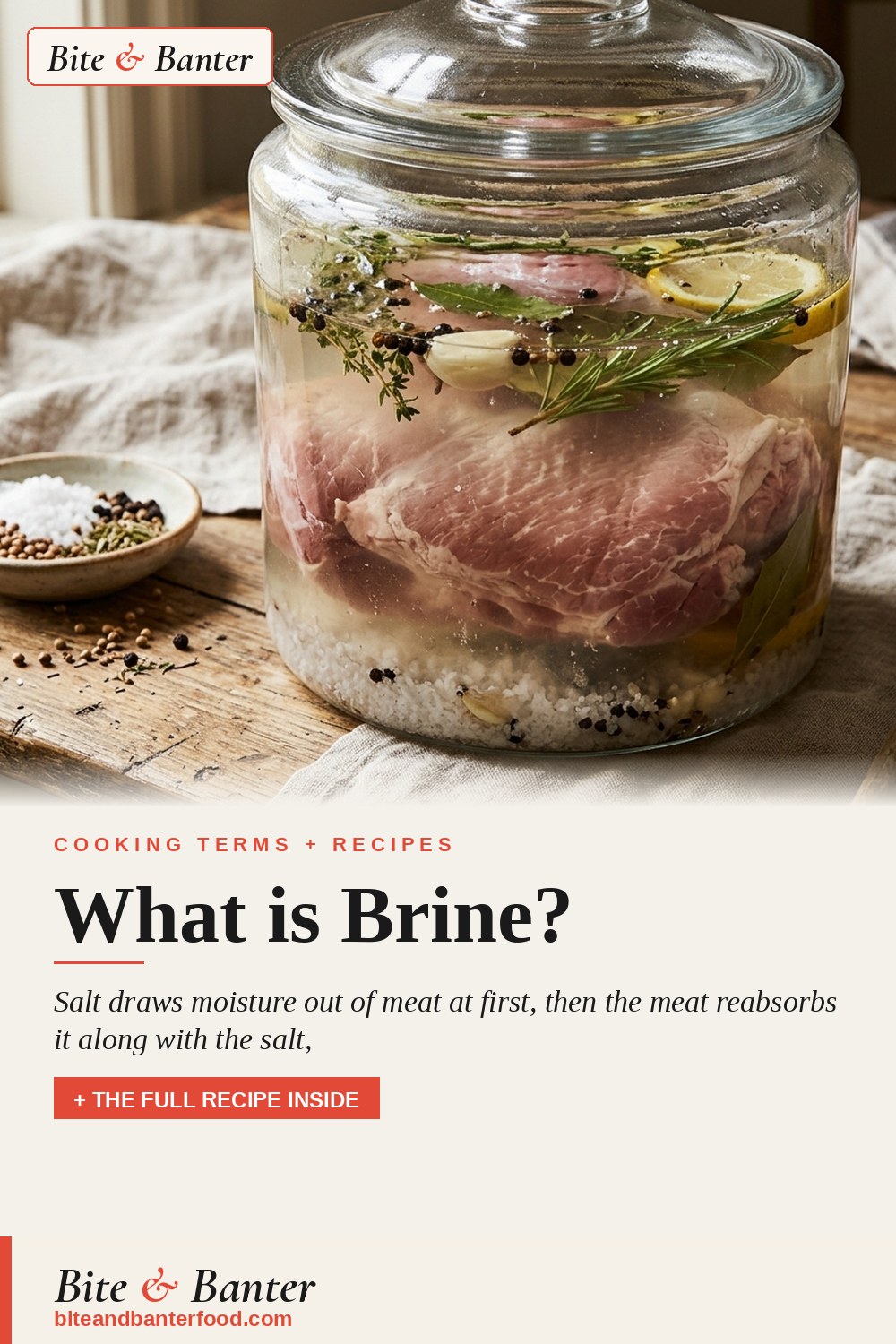
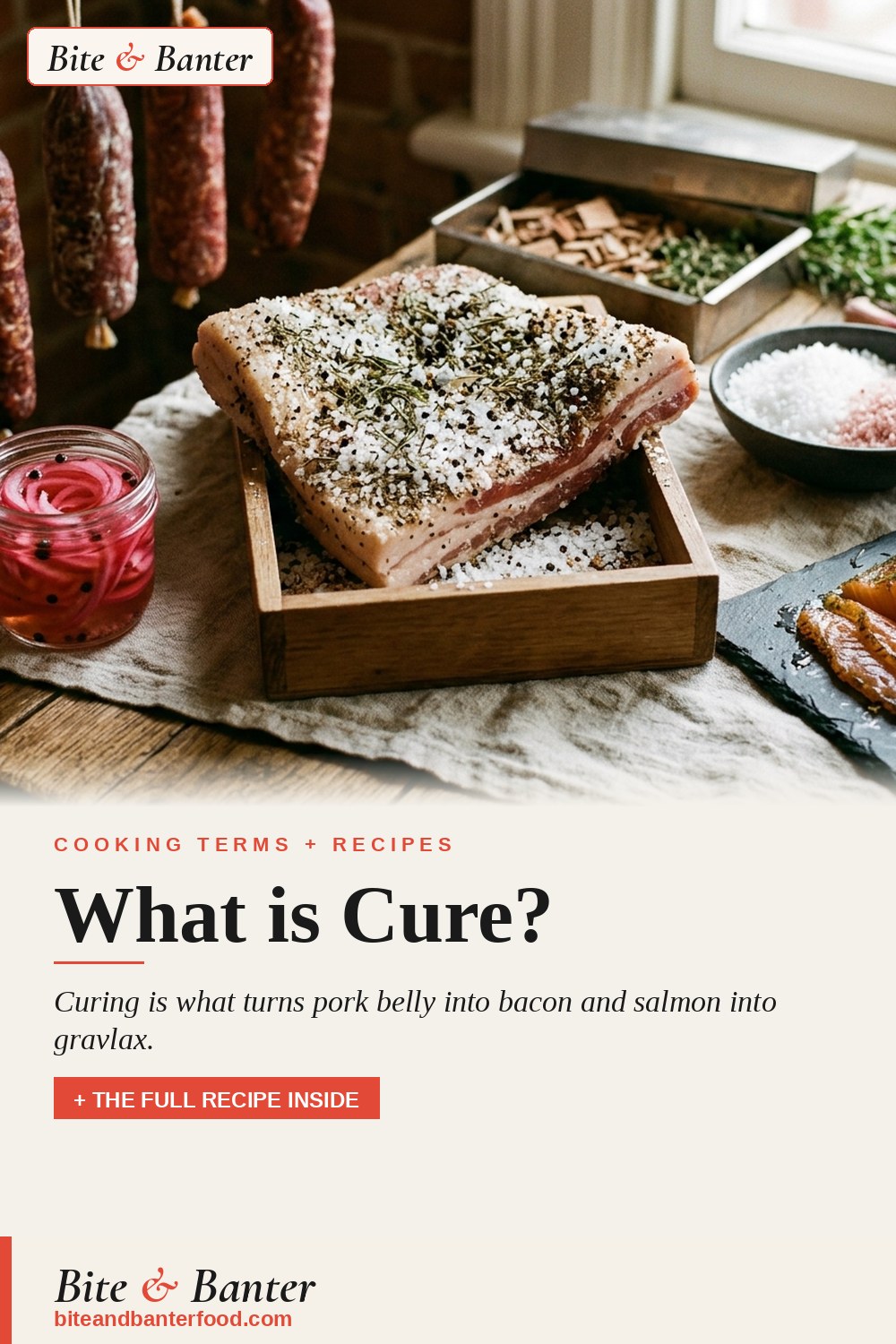
The oldest form of food technology and still one of the most useful. Sugar preserves fruit into jams and jellies. Salt preserves meat into bacon and fish into gravlax. Acid preserves vegetables in pickles. Smoking preserves and flavours meat and fish simultaneously. Drying removes the moisture that bacteria need to survive. Each method not only extends shelf life but changes the food — sometimes subtly, sometimes dramatically. Preserved foods are not compromises.
Ingredients
1 kg Seville oranges, scrubbed; 1 unwaxed lemon; 2 litres cold water; 2 kg white granulated sugar; 1 tsp unsalted butter (to disperse the foam).
Kitchen Table
A tailored kitchen-material list is being prepared for this recipe.
Method
- Halve the oranges and lemon. Squeeze the juice into a large, heavy-based preserving pan — a wide base matters here, it speeds evaporation. Collect the pips and any loose pith in a square of muslin. Tie it firmly into a bag and drop it into the pan. The pectin inside those pips is what makes your marmalade set. Treat the bag accordingly.
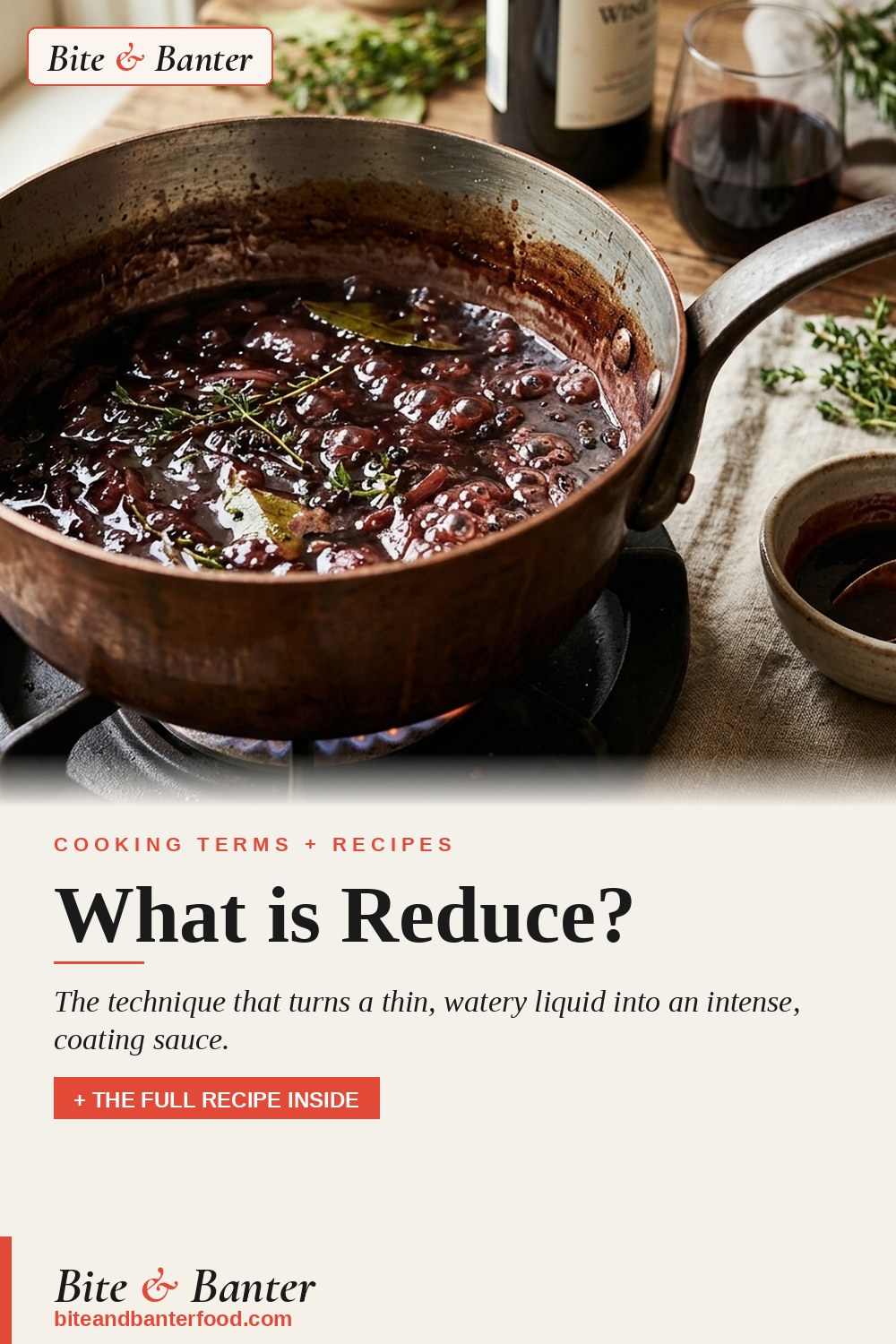
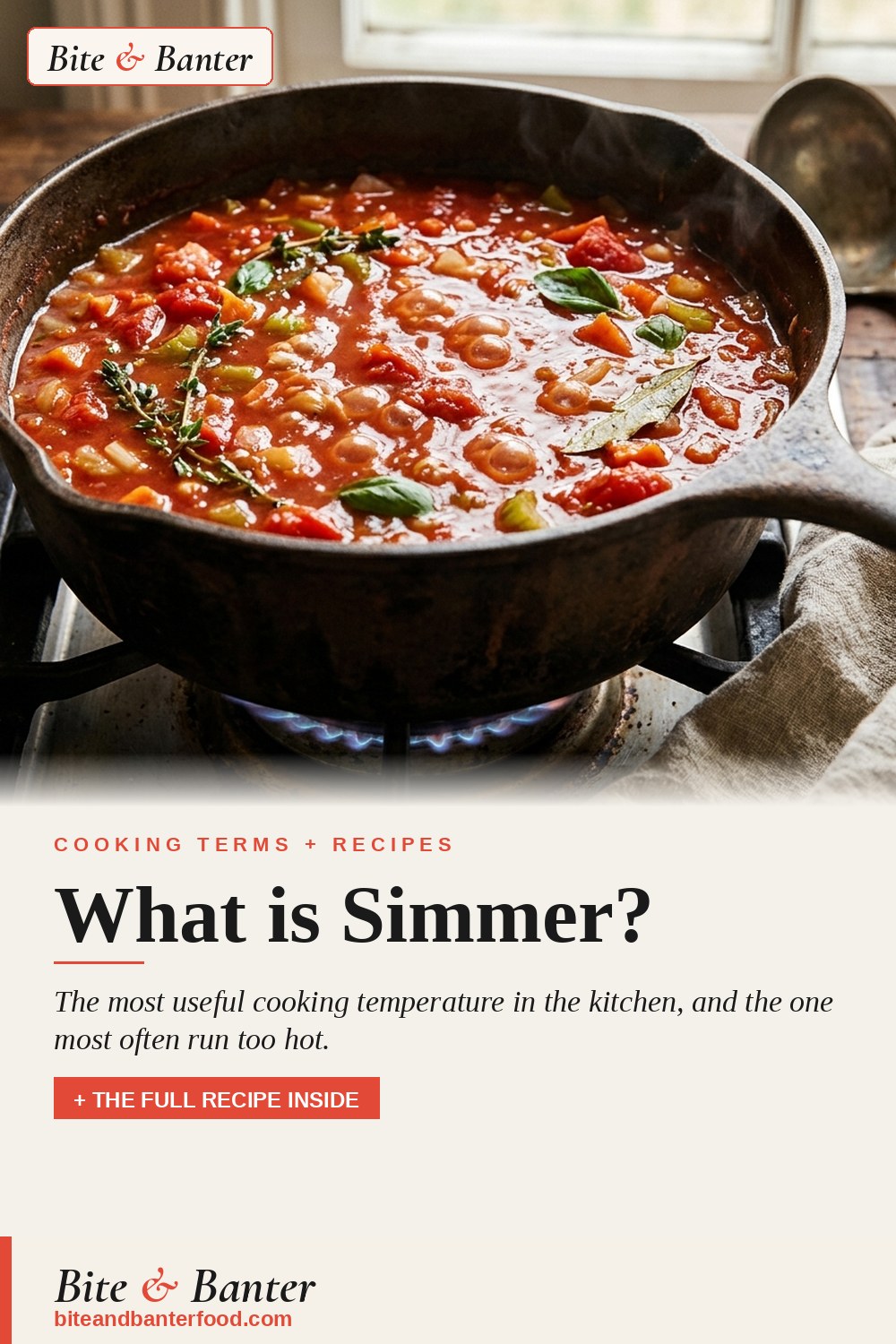
- Slice the spent orange halves into fine shreds — thin if you like elegance, thicker if you like character. Add the shreds and the water to the pan. Bring everything to a gentle simmer over a medium heat and cook uncovered for 1 to 1½ hours, until the peel is completely tender and the liquid has reduced by roughly half. Test a piece of peel between your fingers. If it offers any resistance, keep going.
- While the peel simmers, sterilise your jars. Wash them in hot soapy water, rinse well, and place upright in an oven at 140°C for 15 minutes. Leave them in there until you need them. Cold jars crack. Hot jars don't.
- Remove the muslin bag and squeeze it firmly against the side of the pan with a wooden spoon — extract every last drop of liquid. Discard the bag. Add all the sugar to the pan at once and stir over a low heat until every crystal has dissolved. Do not rush this. Undissolved sugar before the boil causes crystallisation later, and crystallised marmalade is one of the few things in a kitchen that is genuinely dispiriting.
- Raise the heat to a vigorous rolling boil — one that cannot be stirred down. Boil hard for 10 to 15 minutes without stirring. Begin testing for a set at 10 minutes: drop a small amount onto a chilled saucer, leave it for one minute, then push it with your finger. If it wrinkles, it is ready. If it runs, keep boiling and test again every two minutes.
- Remove from the heat. Stir in the butter to clear the foam. Leave the marmalade to rest in the pan for 10 minutes — this prevents the peel from floating to the top of the jars, which is technically fine but looks slovenly. Ladle into your warm sterilised jars, seal immediately, and leave undisturbed until fully cool. Label them. The date matters more than you think.
Critical Points — The WOW Factor
Chef's critical points and the wow-factor tagline for this recipe are being written and will appear here soon.
— A jar of good marmalade on the shelf is quiet proof that you understand time — and what to do with it.
From the Bite & Banter Pinterest kitchen