Slow-Sweated Onion Soup
No browning. No rushing. No apologies.

Definition
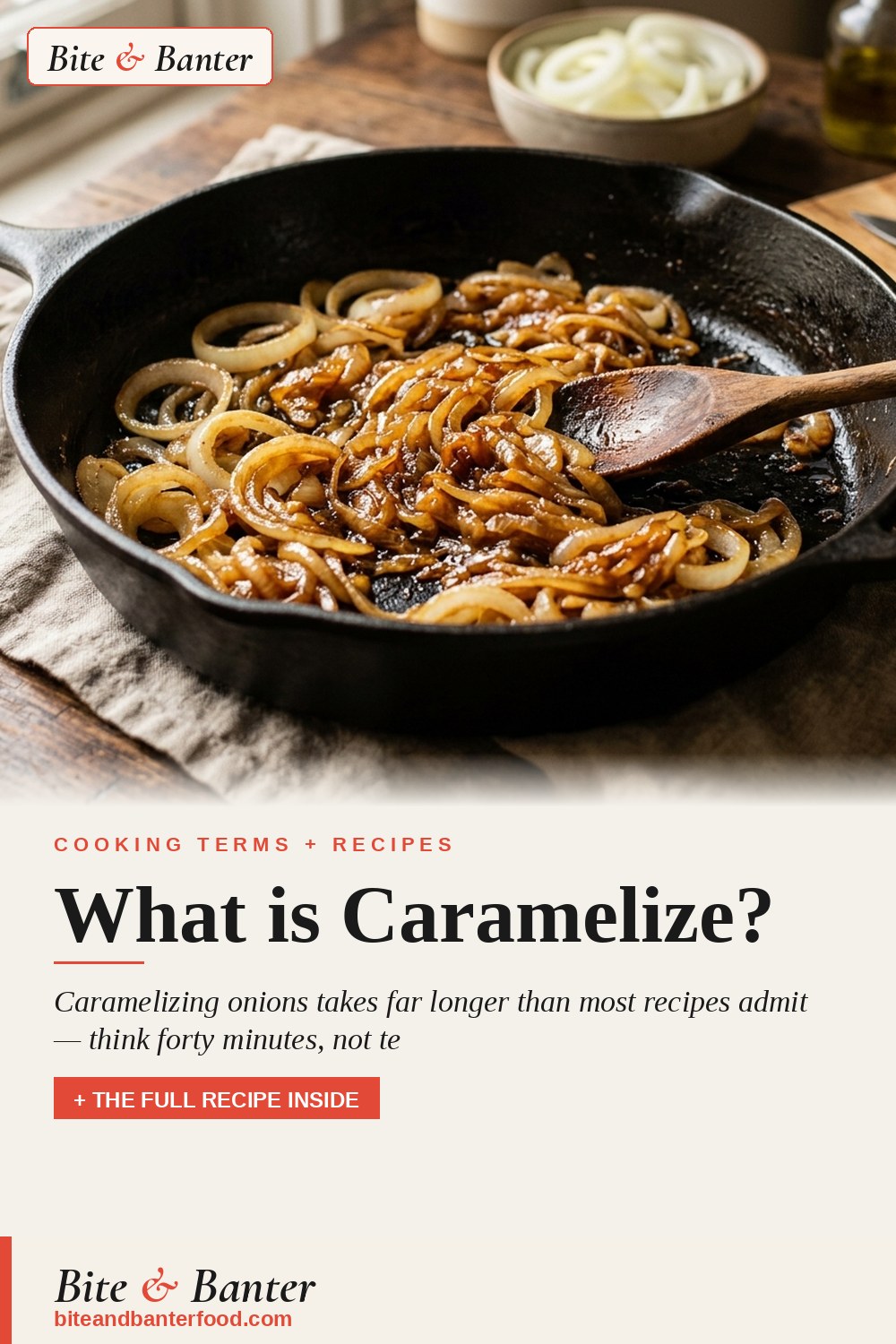
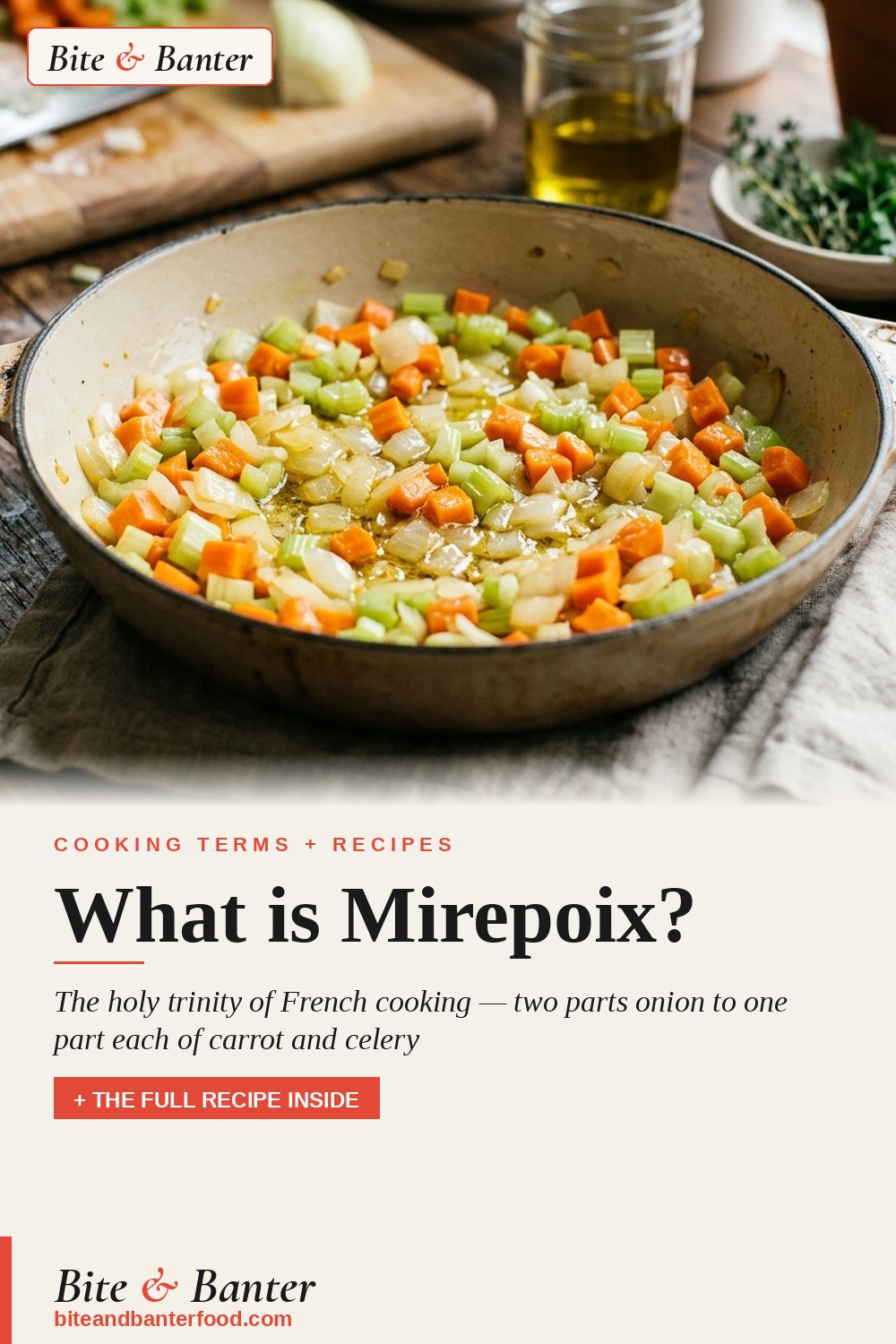
The opposite of searing. Low heat, a little fat, and patience. Onions sweated slowly, becoming translucent, sweet, and soft without any browning. This is the base of most soups, stews, and sauces because the sweetness released by sweating builds flavour in the finished dish without the stronger, more assertive notes that browning produces. A lid placed on the pan traps moisture and speeds the process.
Ingredients
1 kg white onions, thinly sliced; 40 g unsalted butter; 1 tbsp olive oil; 3 cloves garlic, finely sliced; 1 litre good chicken or vegetable stock; 2 sprigs fresh thyme; Salt and white pepper to season.
Kitchen Table
A tailored kitchen-material list is being prepared for this recipe.
Method
- Place a wide, heavy-bottomed pan over the lowest heat your hob will manage. Add the butter and olive oil together — the oil raises the butter's smoke point, which matters here not at all, but the flavour combination is worth it.
- Add the sliced onions and stir to coat them in the fat. Season lightly with salt. Place a lid on the pan. This is the moment to commit to patience.
- Cook for 35 to 40 minutes, lifting the lid to stir every 8 minutes or so. The onions must soften and turn translucent — sweet and collapsed — without taking on any colour. If they are browning, your heat is too high. Turn it down.
- Add the garlic and thyme. Stir, replace the lid, and sweat for a further 5 minutes until the garlic has softened into the onions entirely.
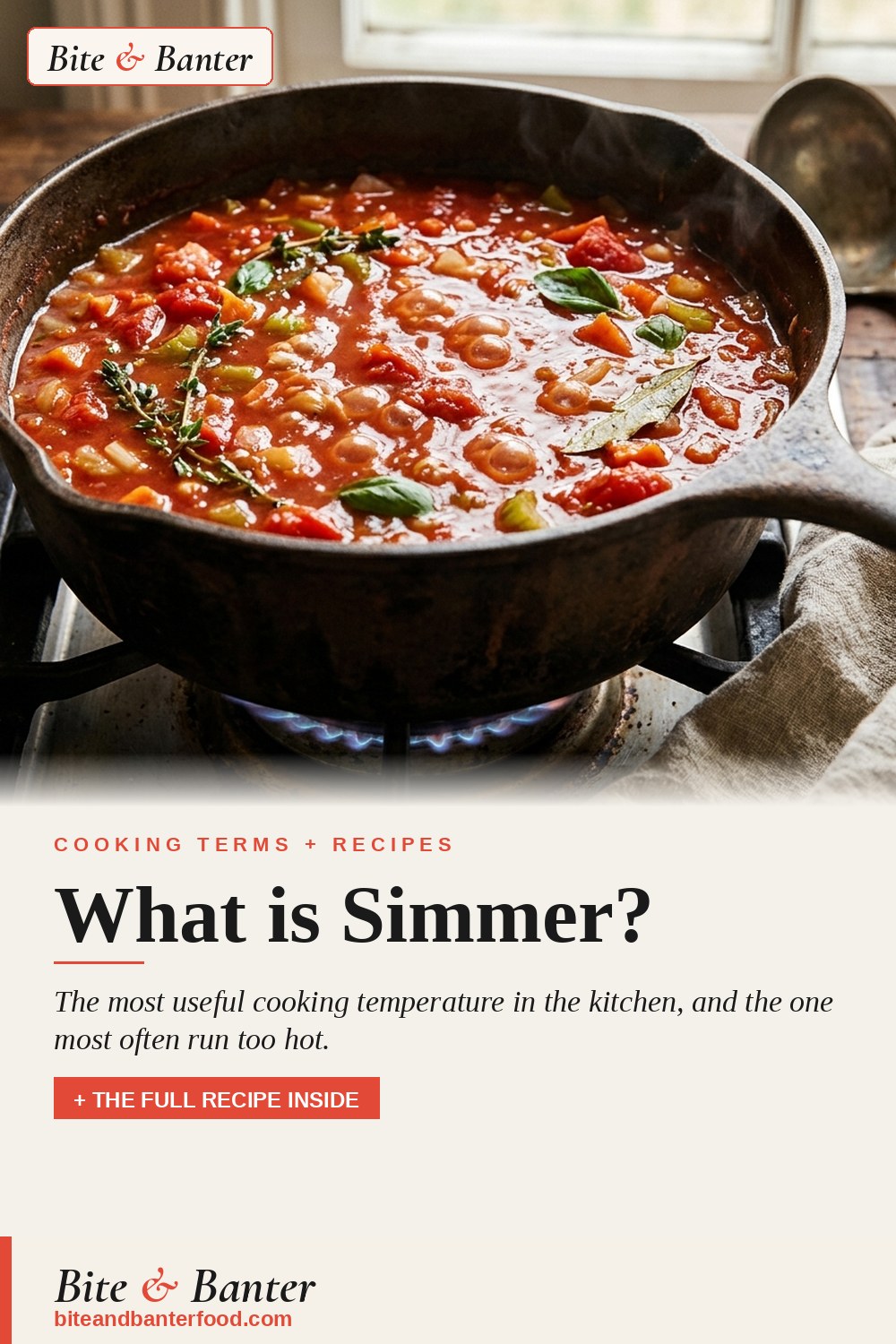
- Pour in the stock. Bring to a gentle simmer and cook uncovered for 10 minutes. The stock is absorbing everything the onions have quietly built.
- Remove the thyme sprigs. Taste and adjust seasoning. Serve in warmed bowls, perhaps with bread, perhaps without. The soup does not require embellishment.
Critical Points — The WOW Factor
Chef's critical points and the wow-factor tagline for this recipe are being written and will appear here soon.
— Forty minutes of doing almost nothing — and somehow that is exactly what makes it good.
From the Bite & Banter Pinterest kitchen